Learn more
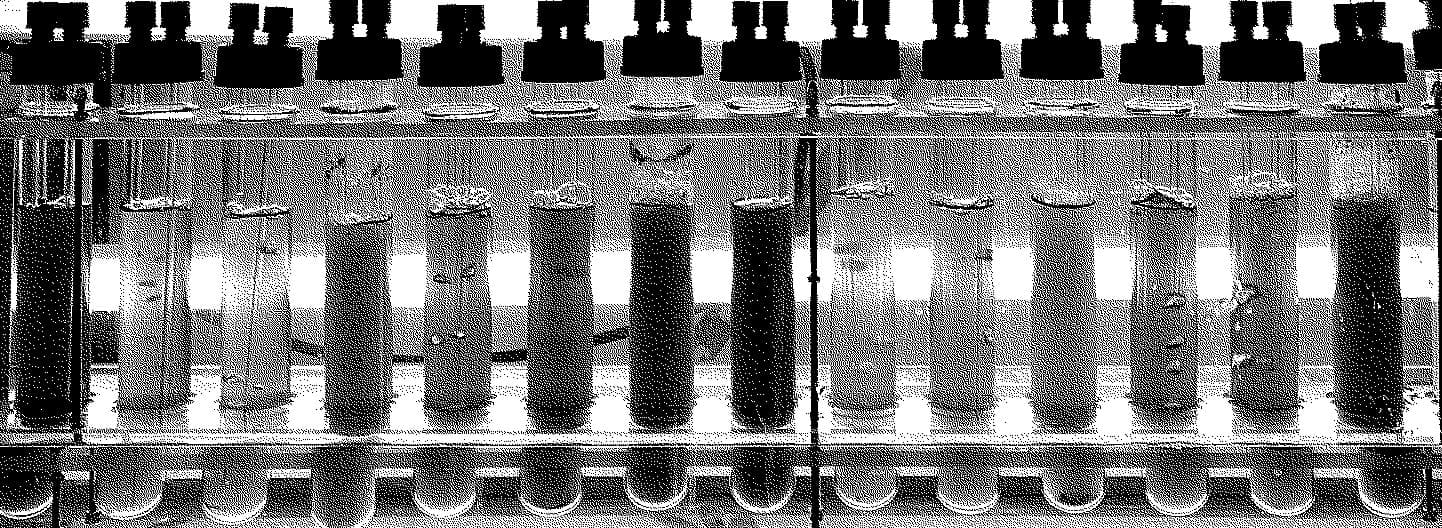

Effluents and microalgae
Learn more
APESA supports the development of innovative projects and technologies for industrial effluent treatment, particularly through microalgae cultivation.
We offer several modes of intervention: experimentation and R&D.
We secure environmental and technical performance through studies, consulting, and analyses: characterization, technology choice, culture optimization, harvesting, and analysis of algal biomass.
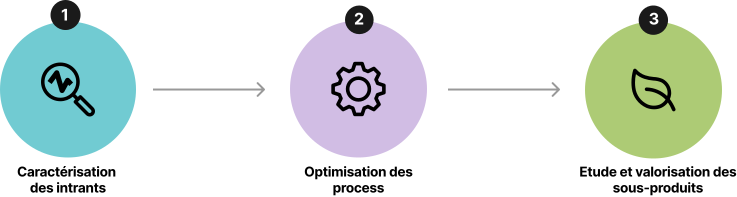
1

Input characterization
2

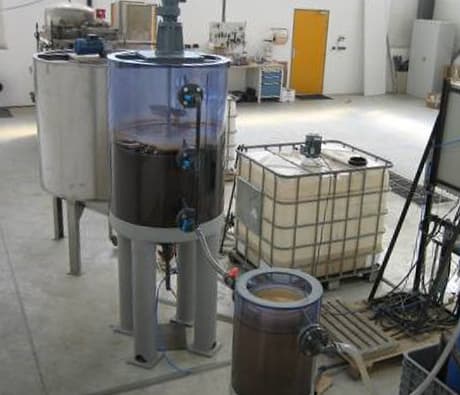
Testing and support for effluent and microalgae processes
3

Study and valorization of by-products
APESA offers several research axes related to effluents and microalgae.

You wish to establish the performance of an effluent treatment process
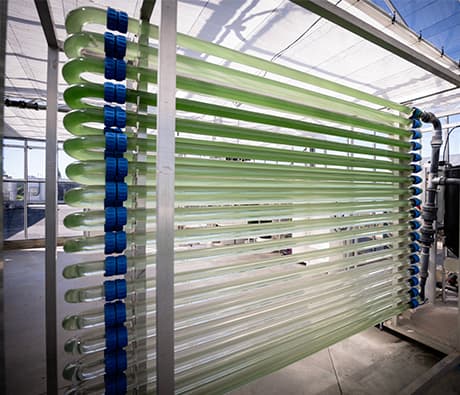
You wish to size a liquid or gaseous effluent treatment by microalgae cultivation
For industrial companies, local authorities, and territorial actors.
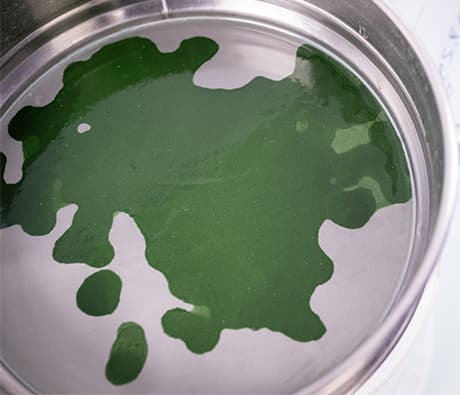
Microalgae naturally capture nutrients (nitrogen, phosphorus, minerals...) and carbon during their growth. Under certain culture conditions, microalgae are then able to treat certain liquid and gaseous effluents. After treatment, microalgae can be harvested and valorized, creating a new resource in a circular economy context.
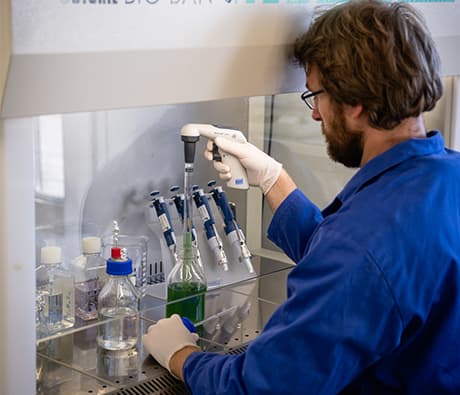
Yes, APESA has a laboratory dedicated to the study of microalgae growth but also to their harvesting and valorization, whether agronomic, energetic, or in molecules of interest after extraction.
Yes. During effluent treatment studies, we can perform a screening of different microalgae and cyanobacteria strains (freshwater and marine) to identify those most suited to the effluent and culture conditions. APESA has some conventional strains in its collection (C. vulgaris, T. Obliquus, A. platensis, etc.) but can also work directly with the client's strains.
Yes. APESA's technical and scientific teams can identify the most efficient and suitable solutions, comparing them with conventional processes and/or other treatment processes via microalgae cultivation.


3 chemin de sers, 64121 Montardon, France
contact@apesa.fr
Follow us →