Learn more

From laboratory scale to semi-industrial scale
Learn more
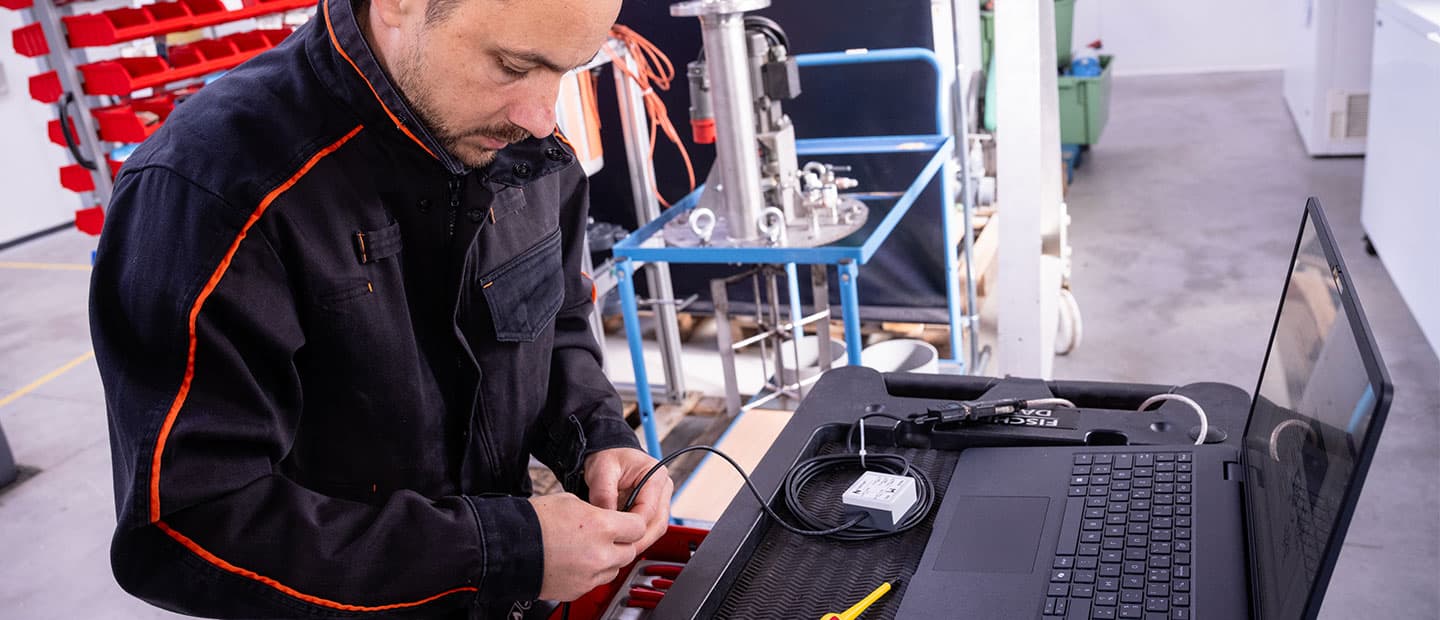
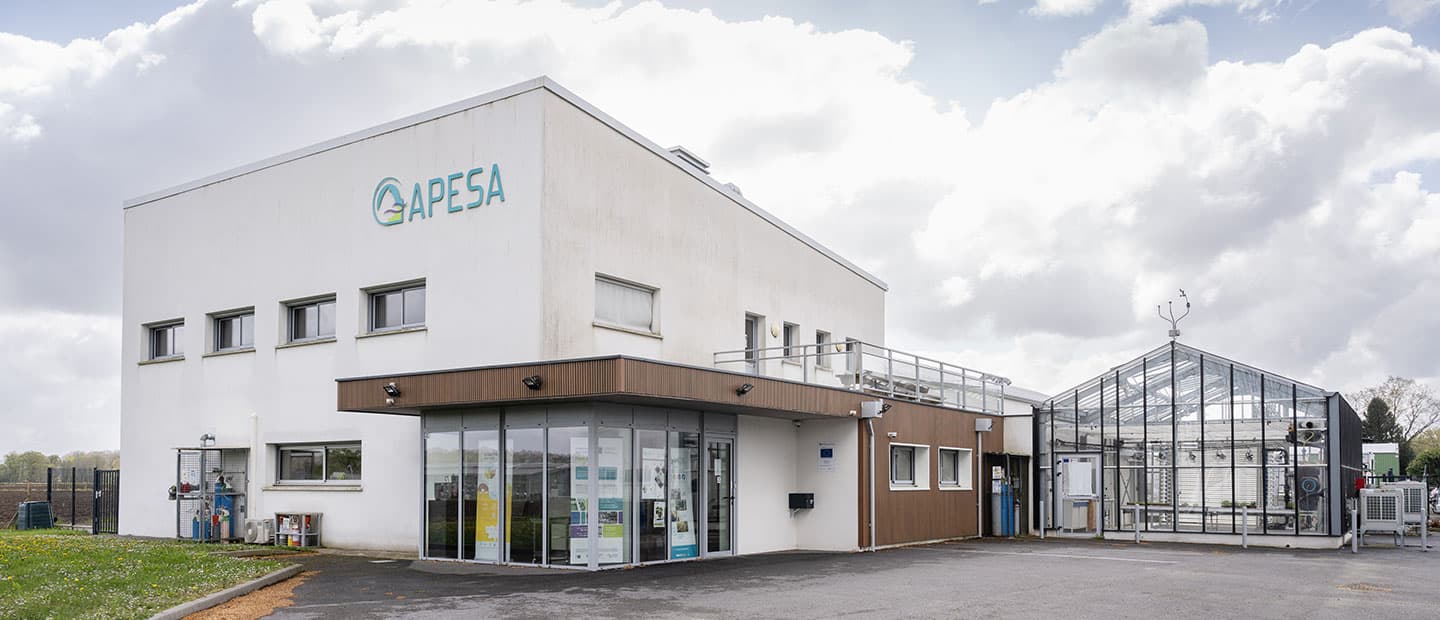
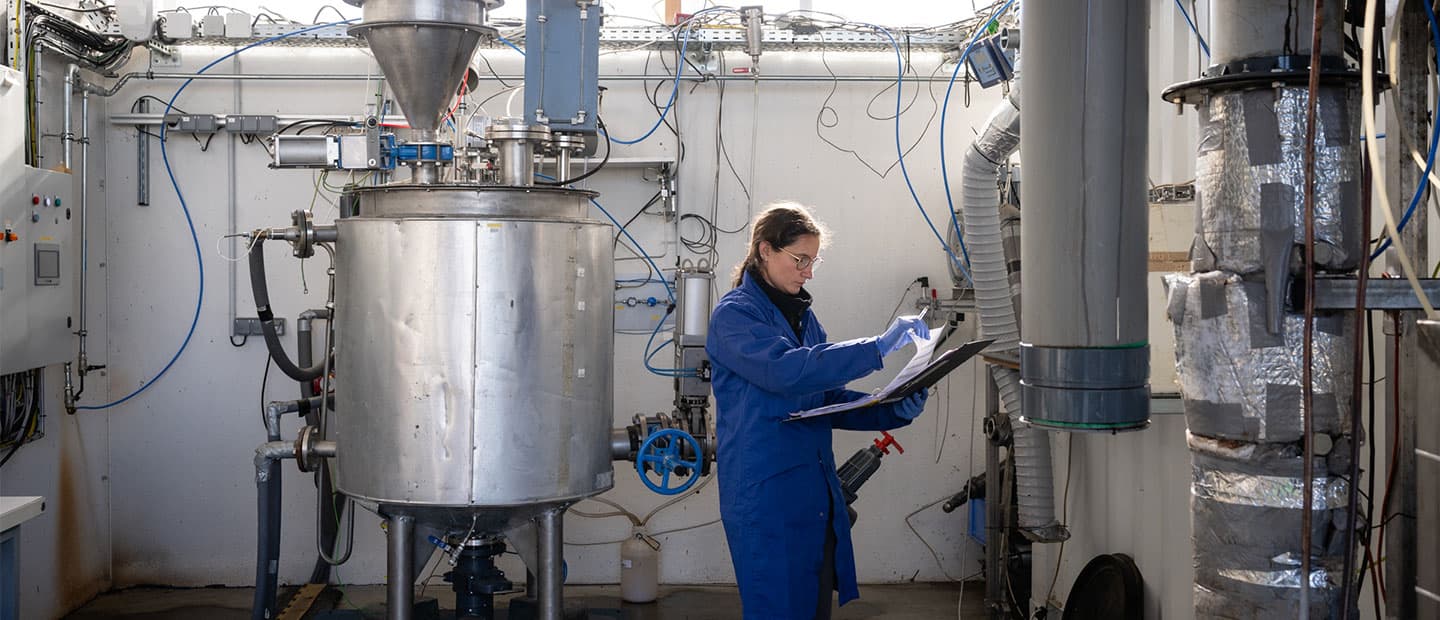
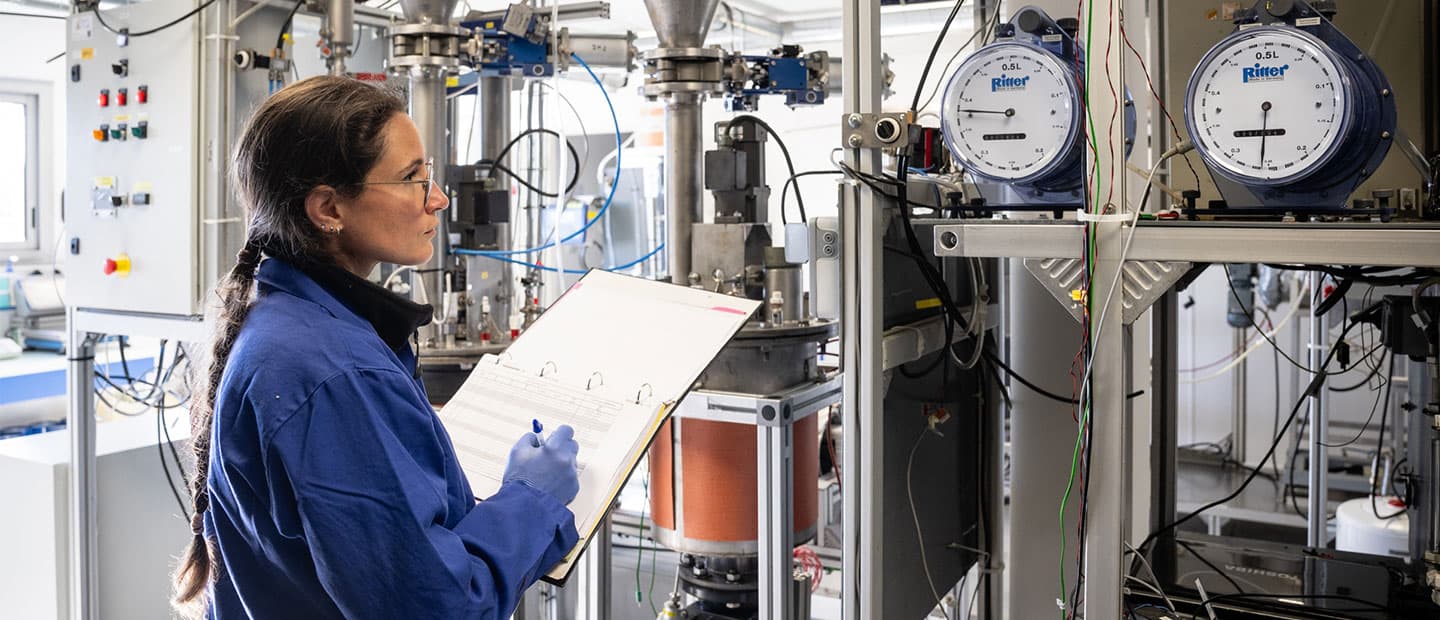
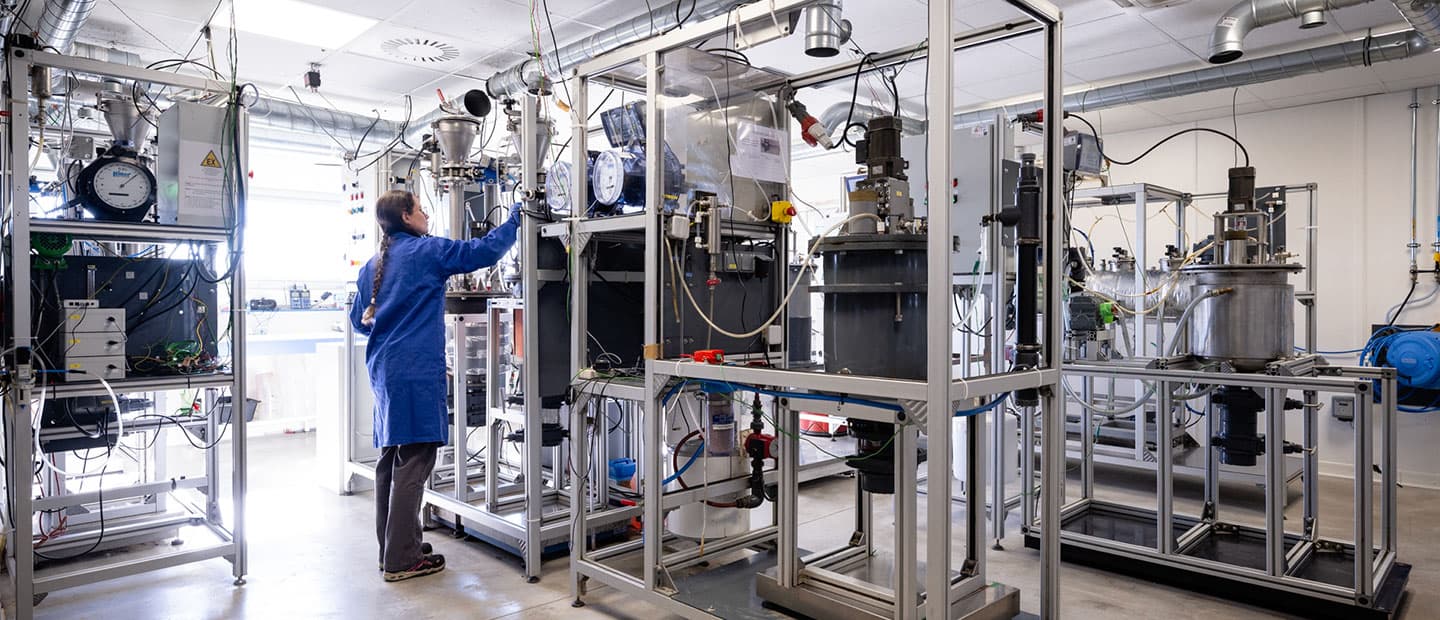
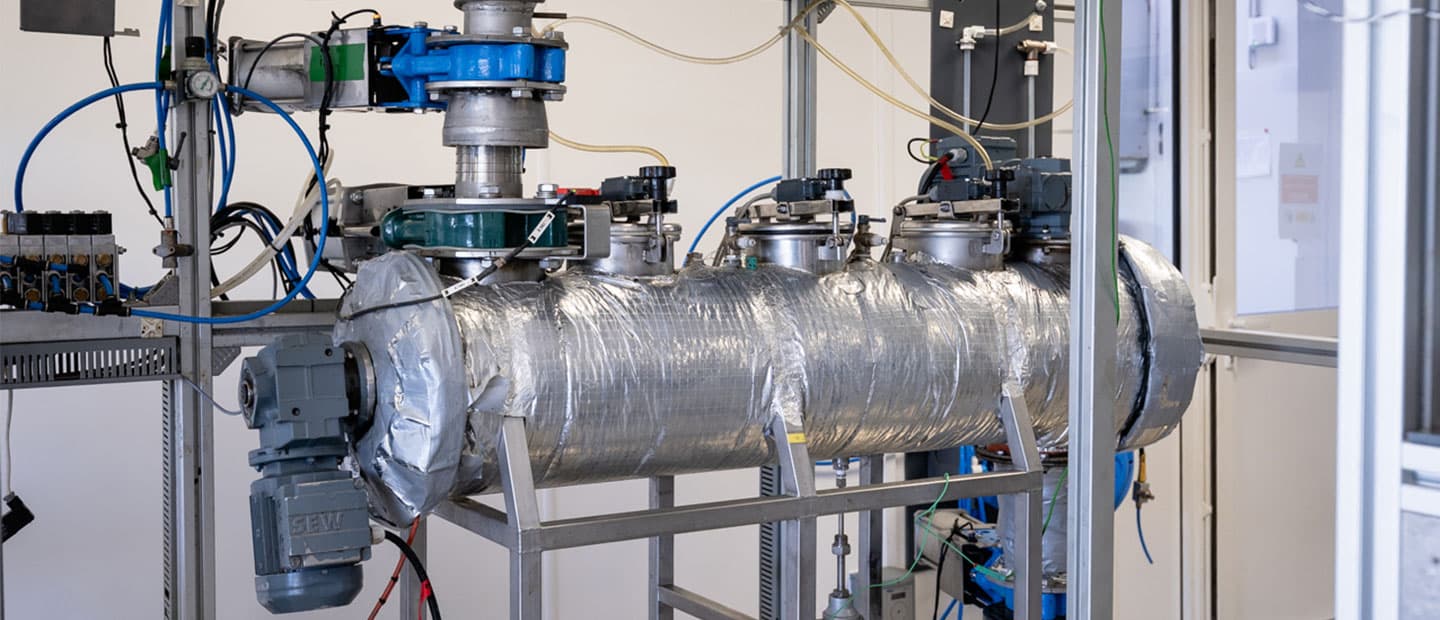
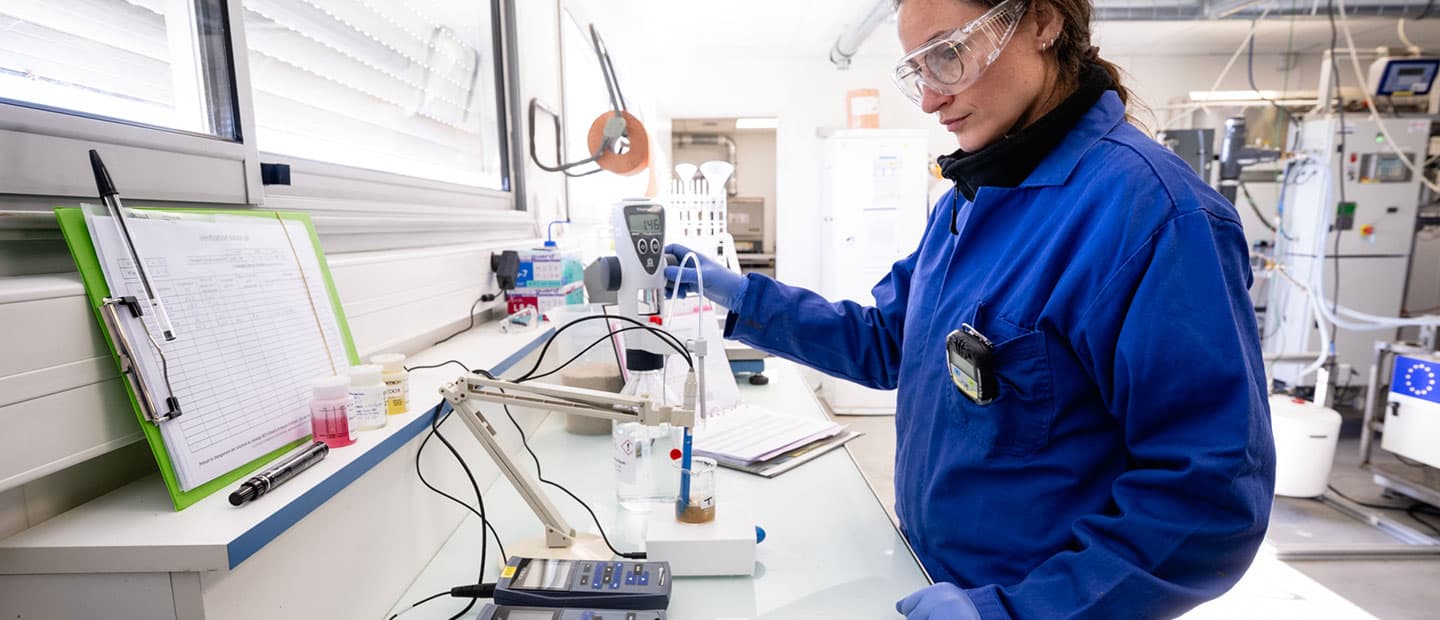
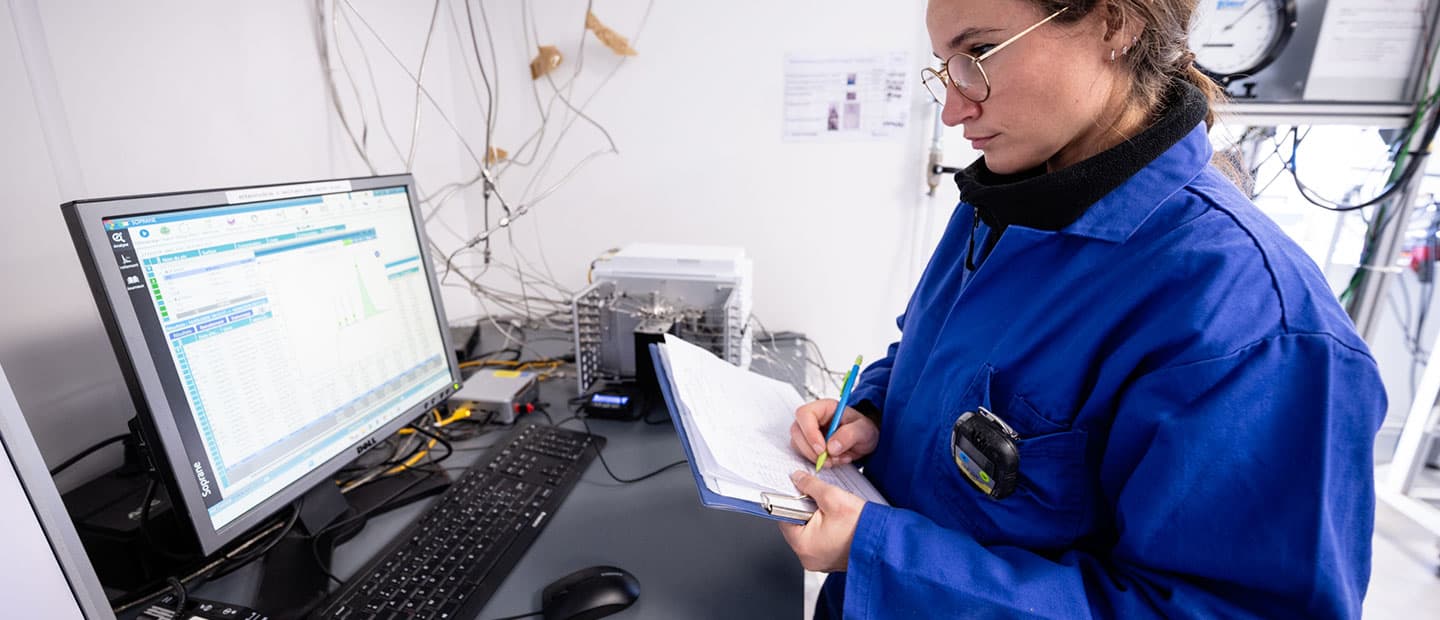
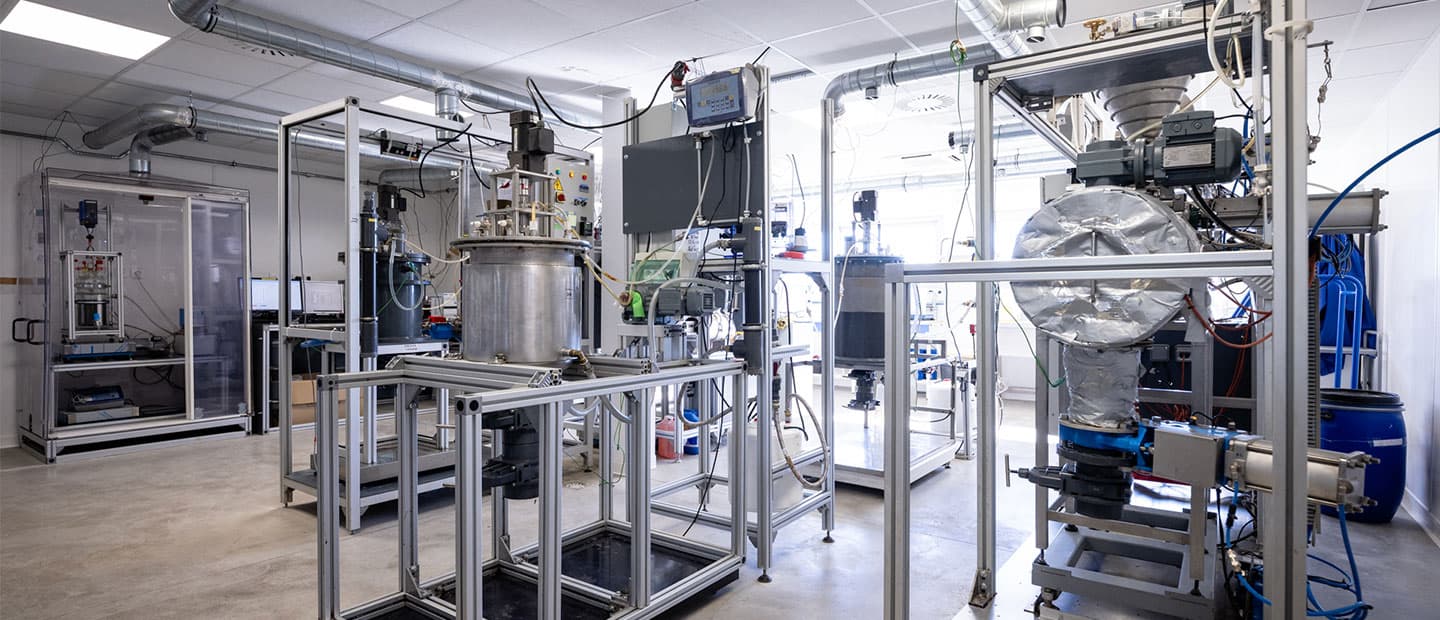
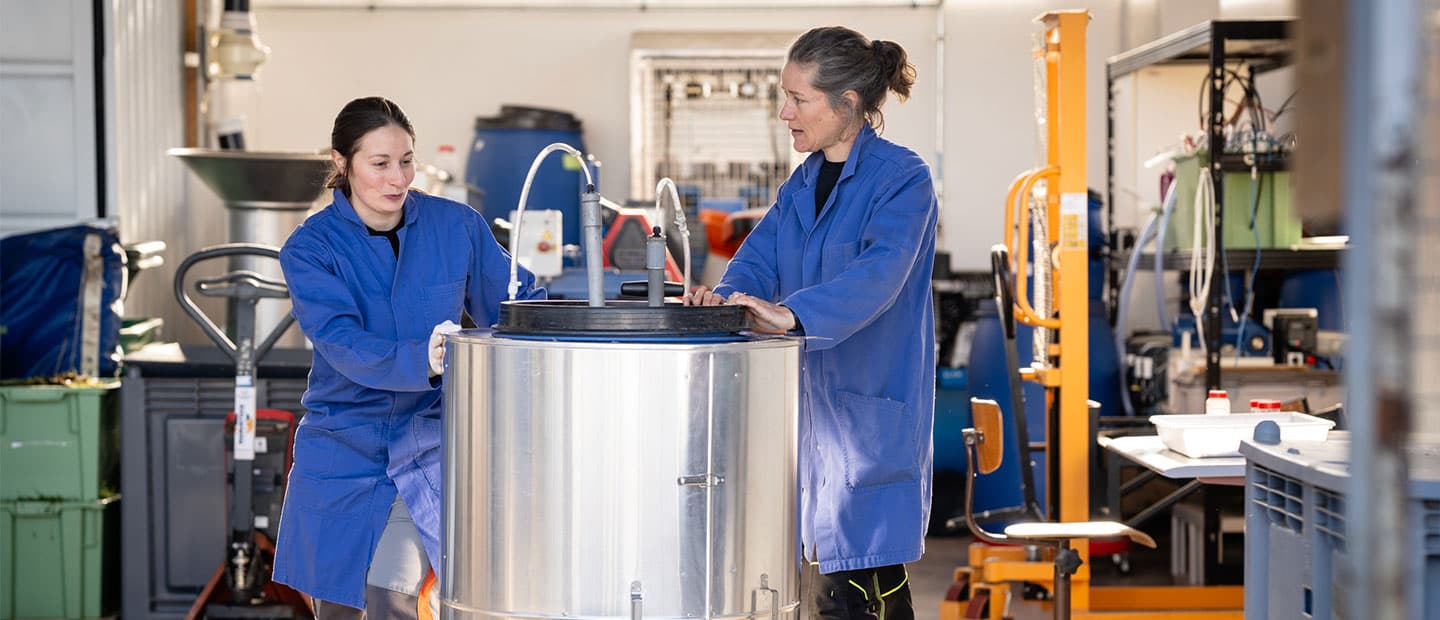
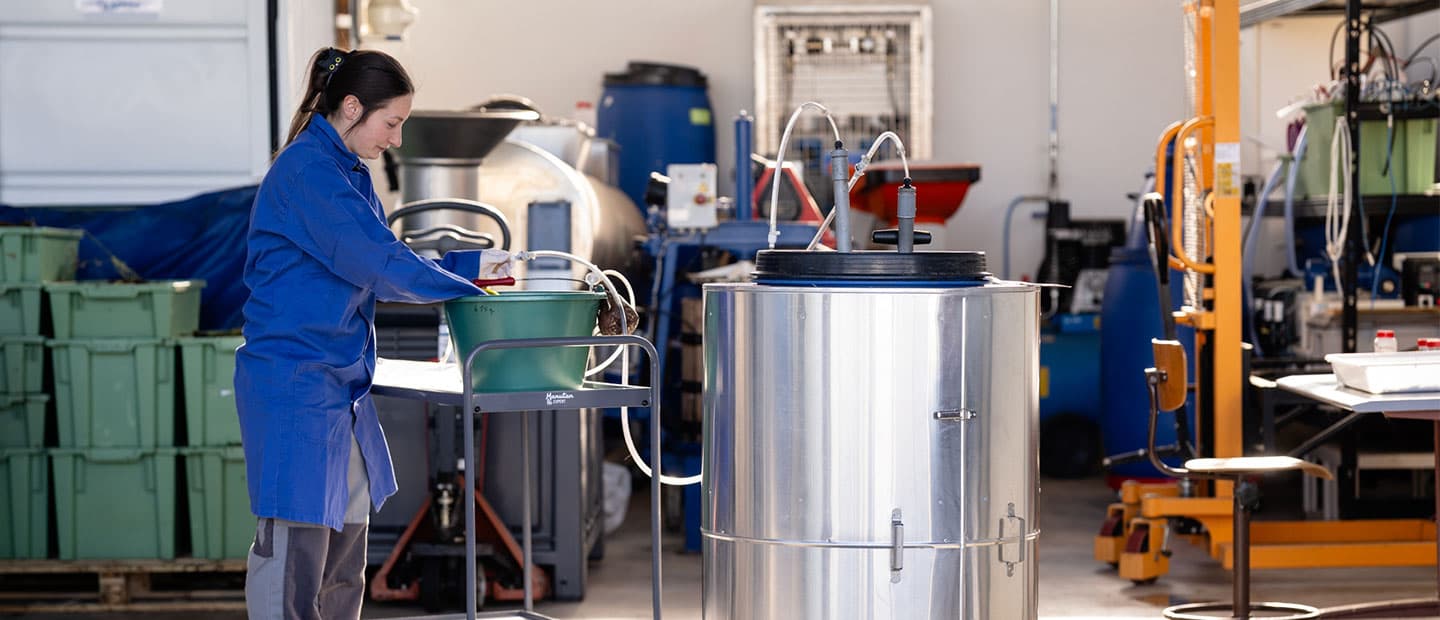
Located in Montardon, near Pau, our experimental platform enables the study and simulation of various treatment processes, from laboratory scale to semi-industrial scale, and the testing of an entire value chain, from feedstock to final product quality, including the process.
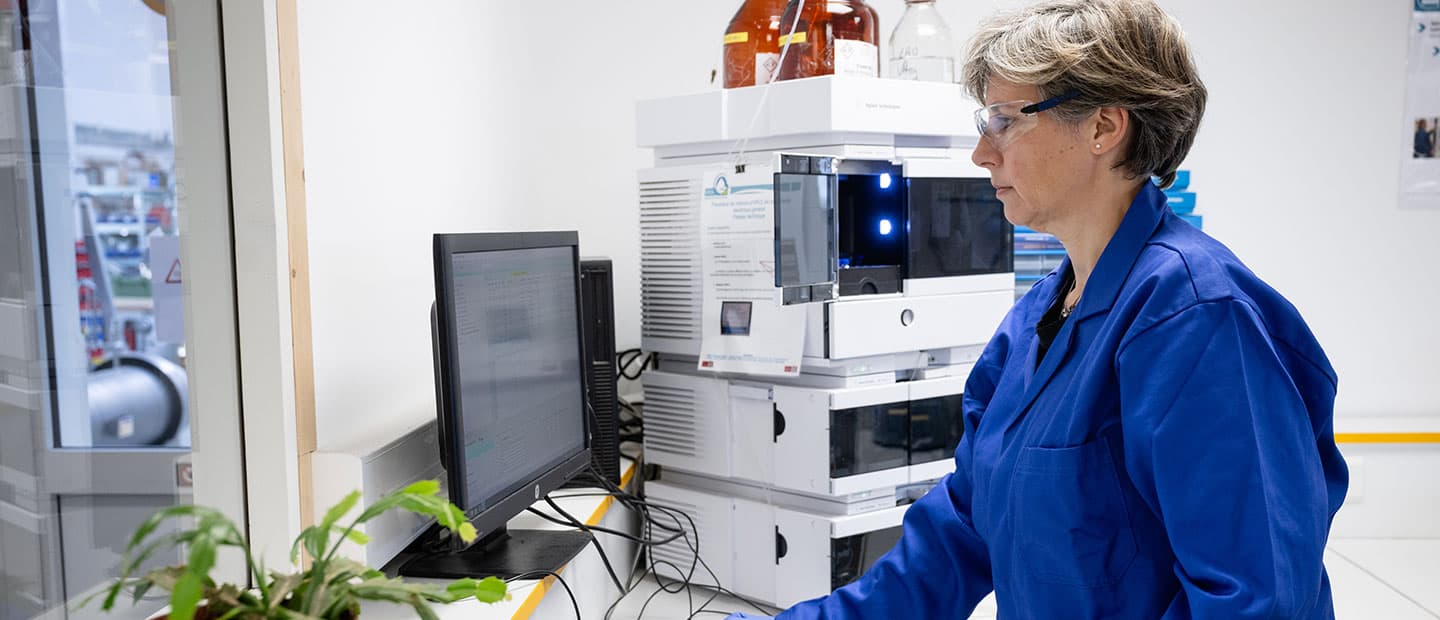
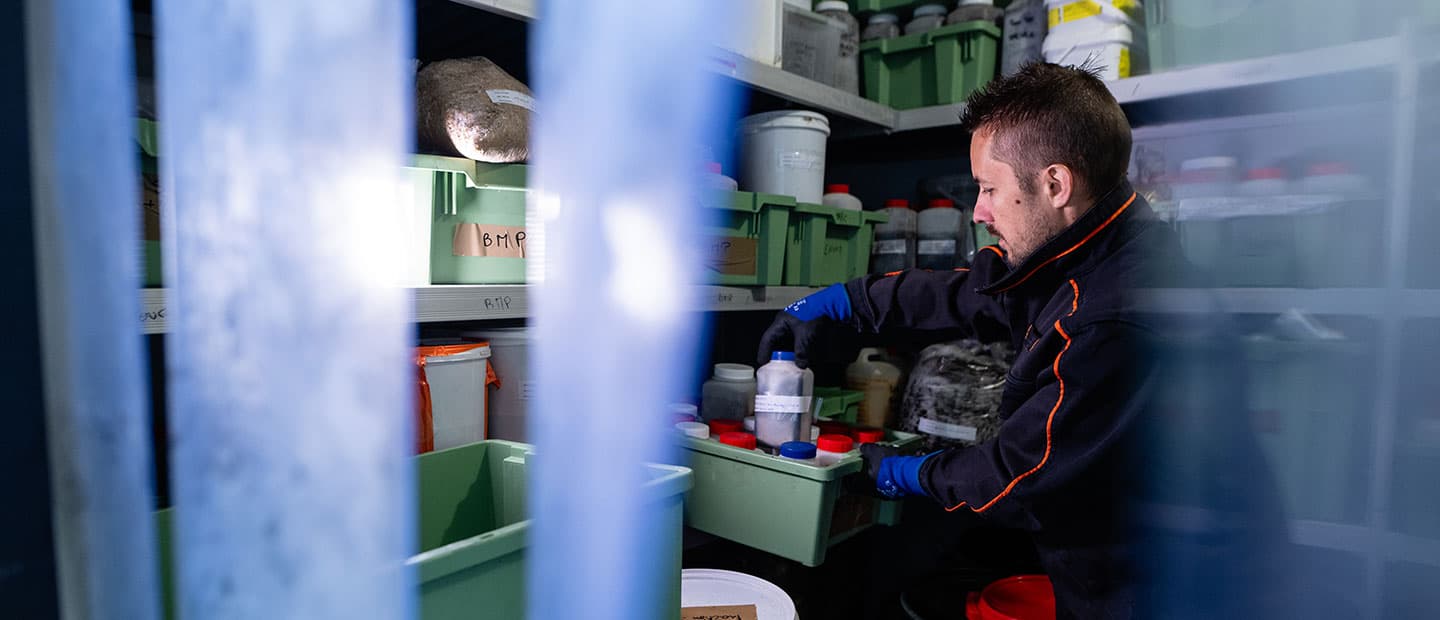
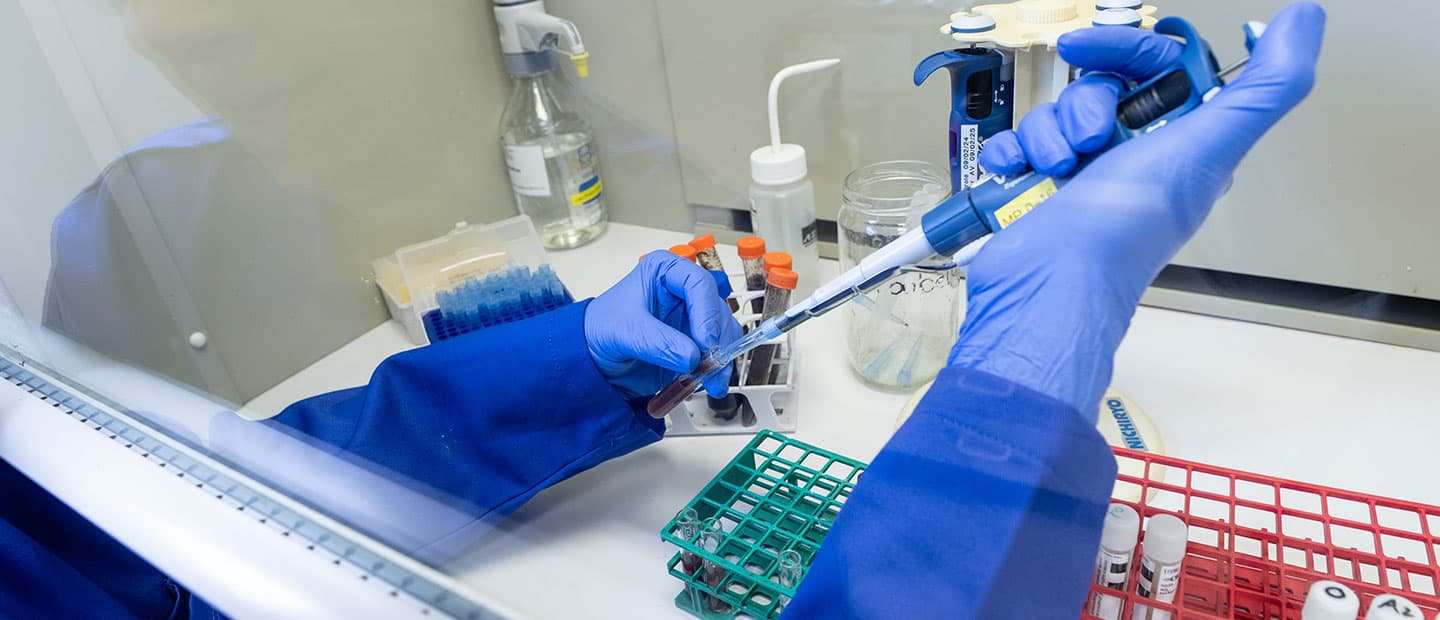
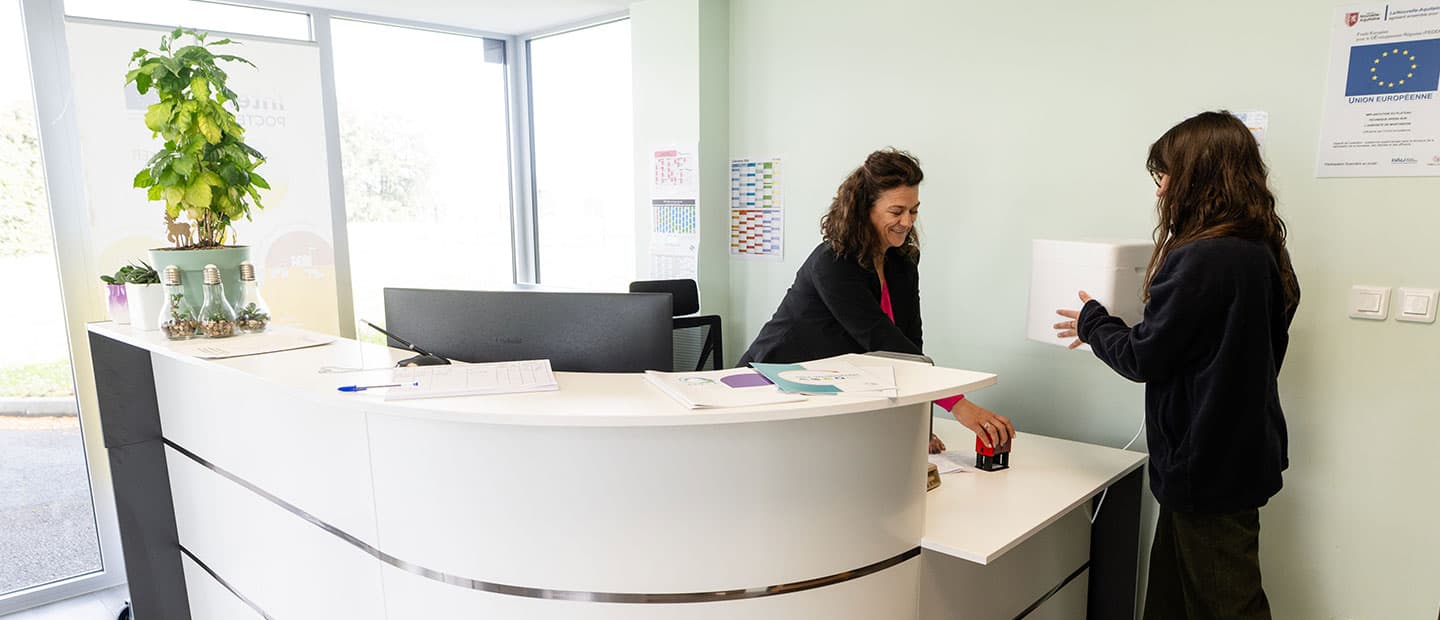
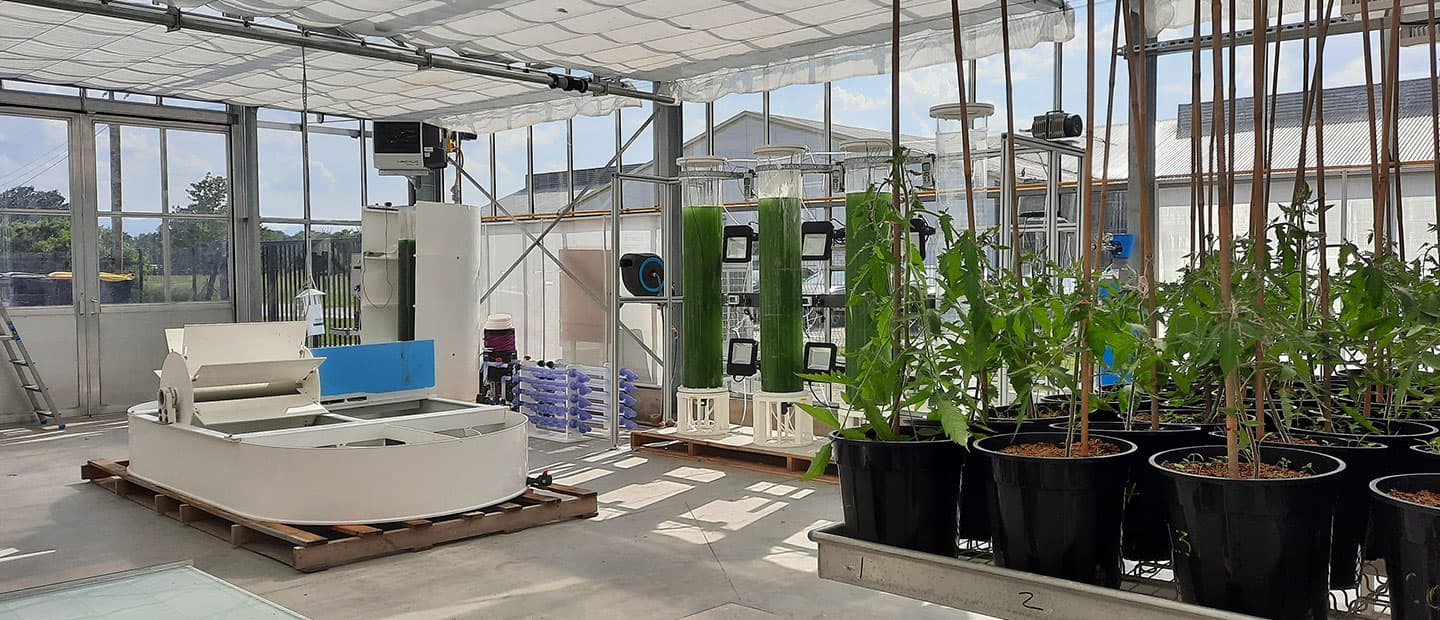
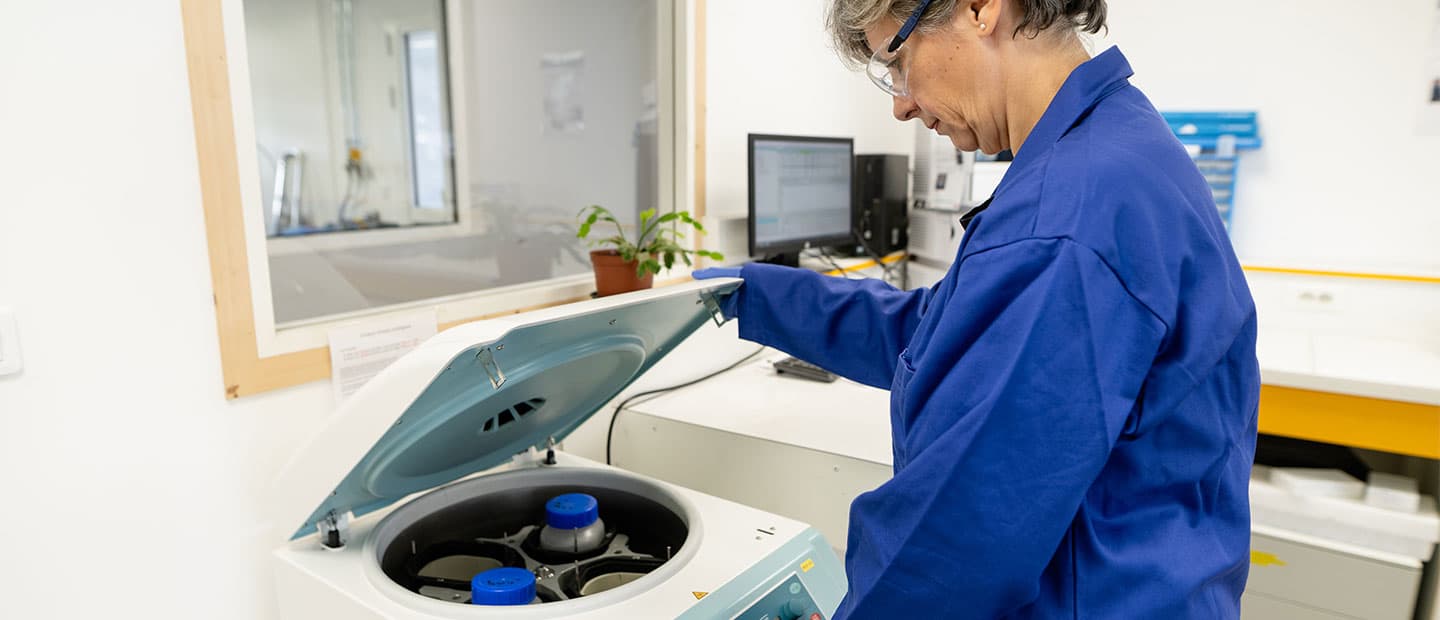
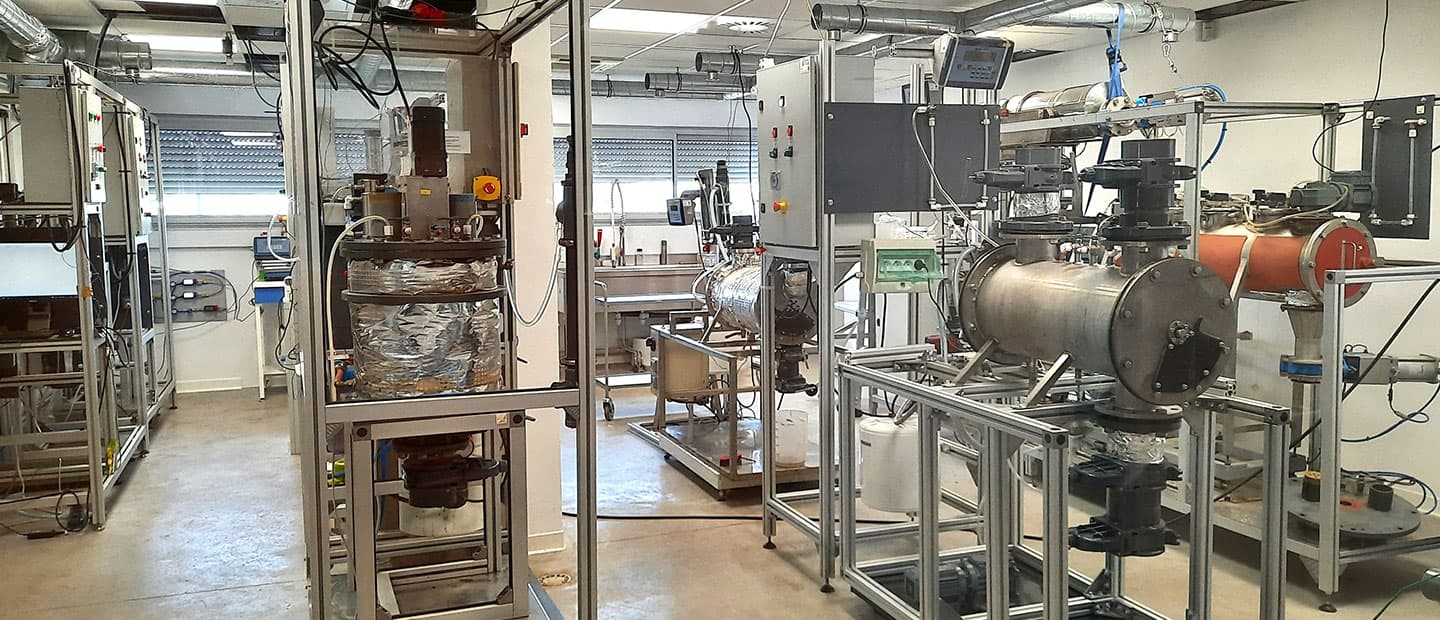
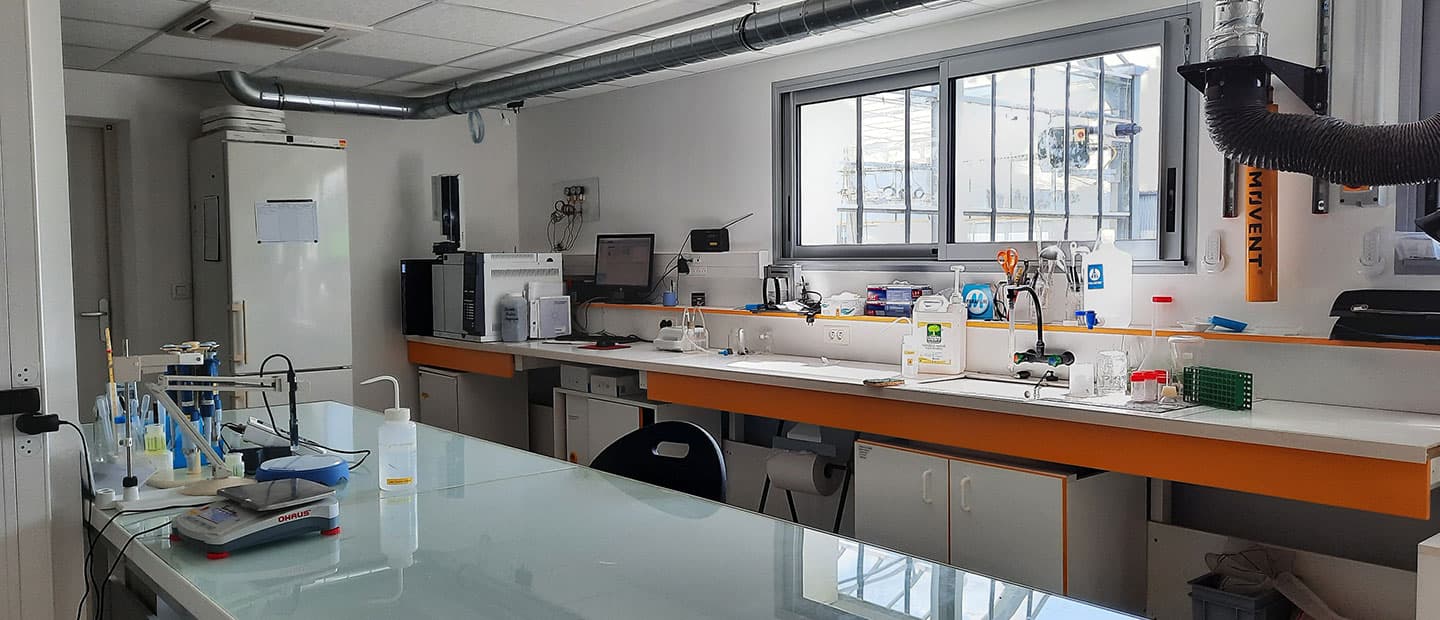
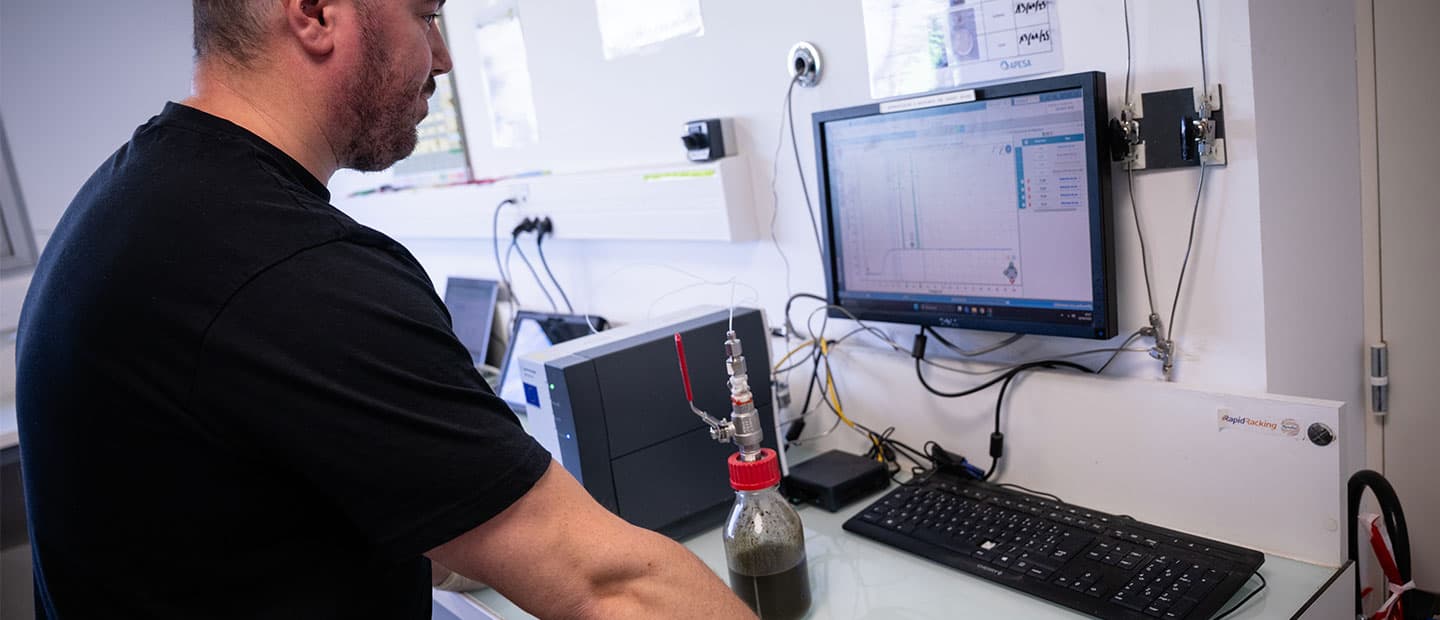
The area dedicated to anaerobic digestion offers all the analyses and tests required to study this value chain:
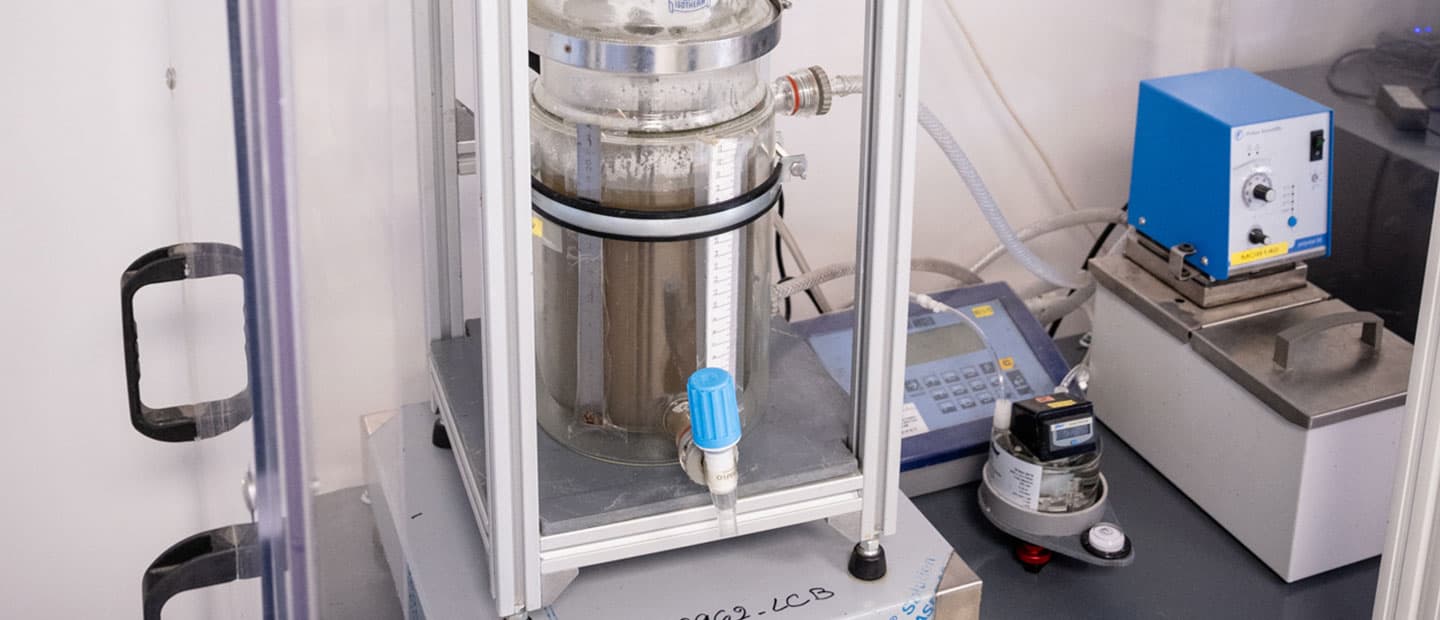
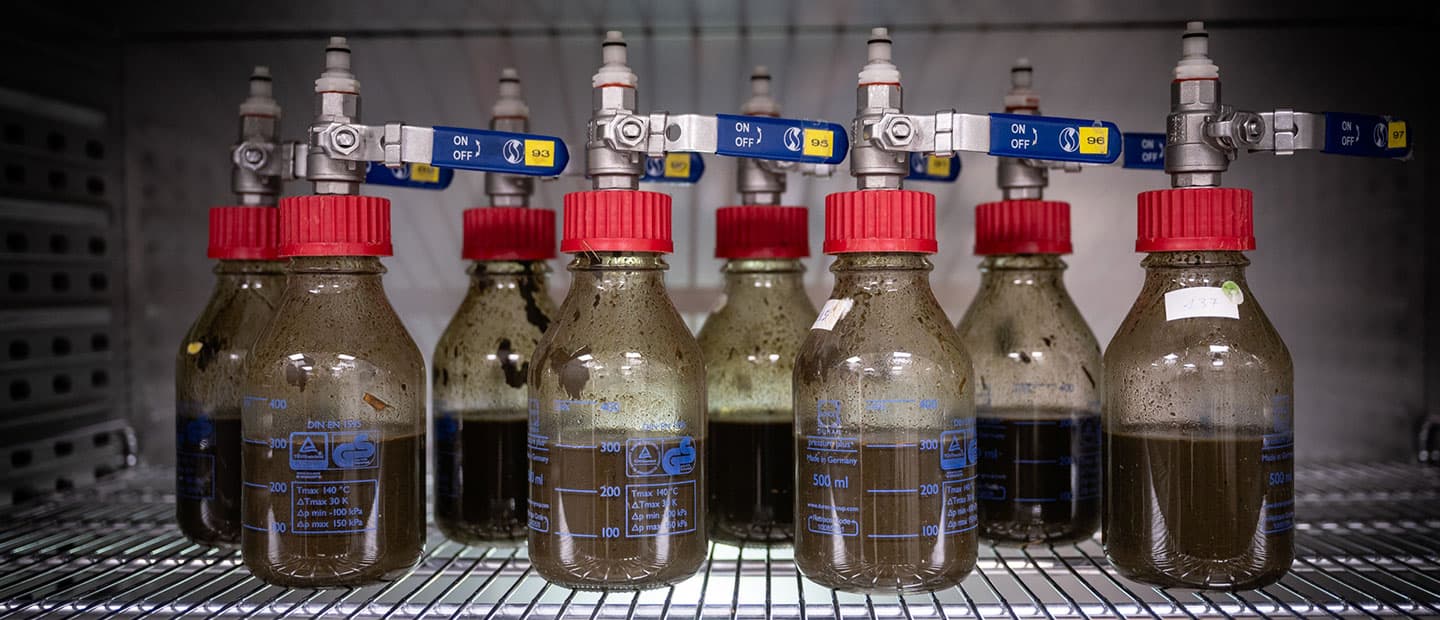
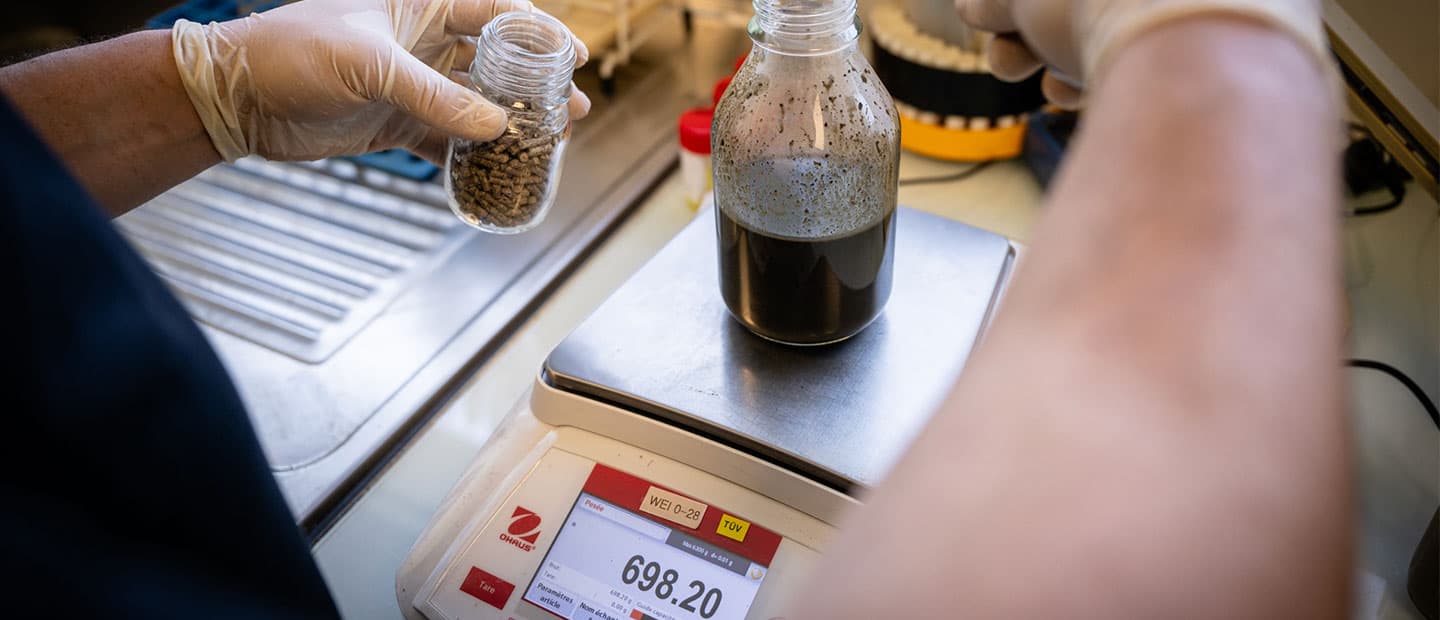
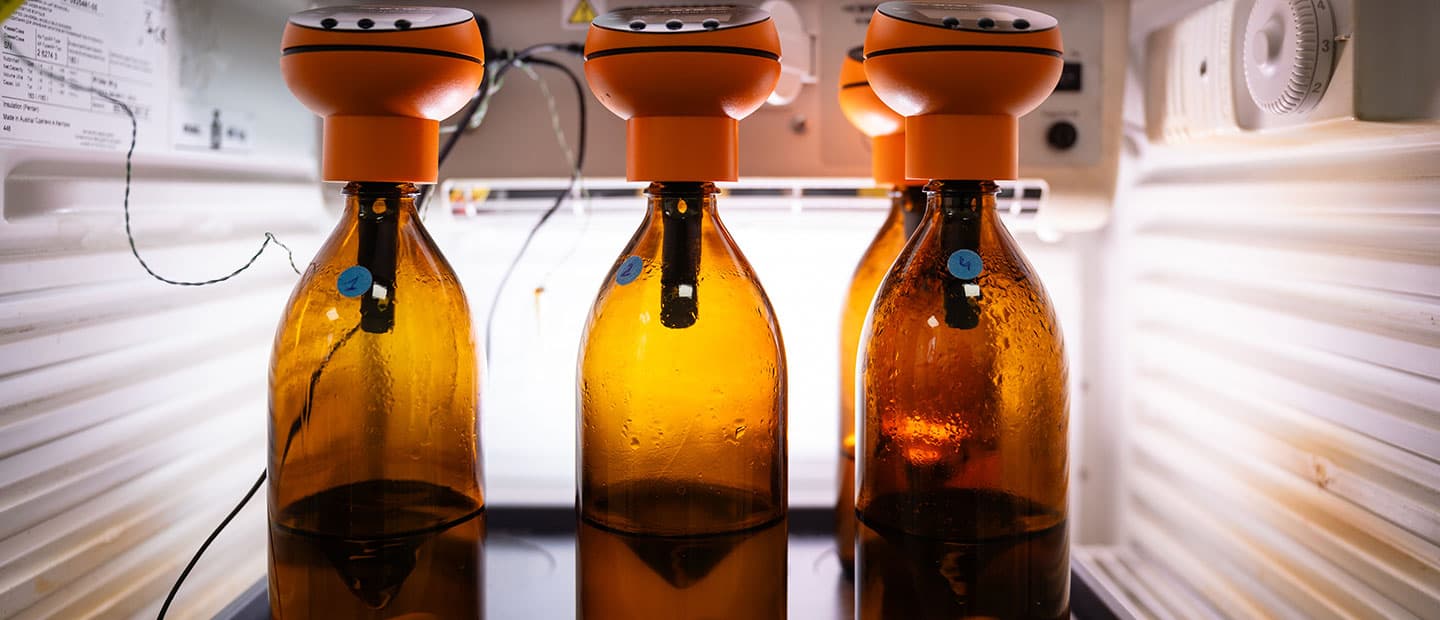
- BMP using the conventional biological method: 200 reactors for carrying out BMP and RMP,
- Methanogenic potential test using a rapid method: Flash BMP NIR,
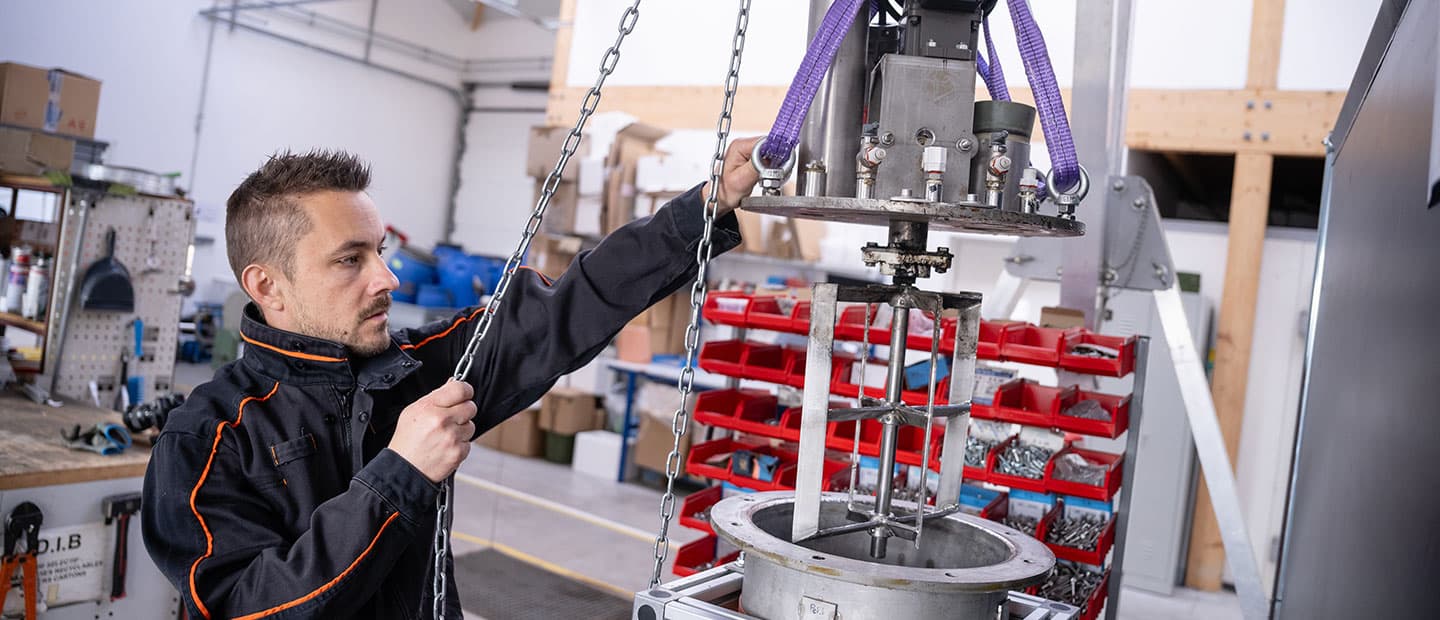
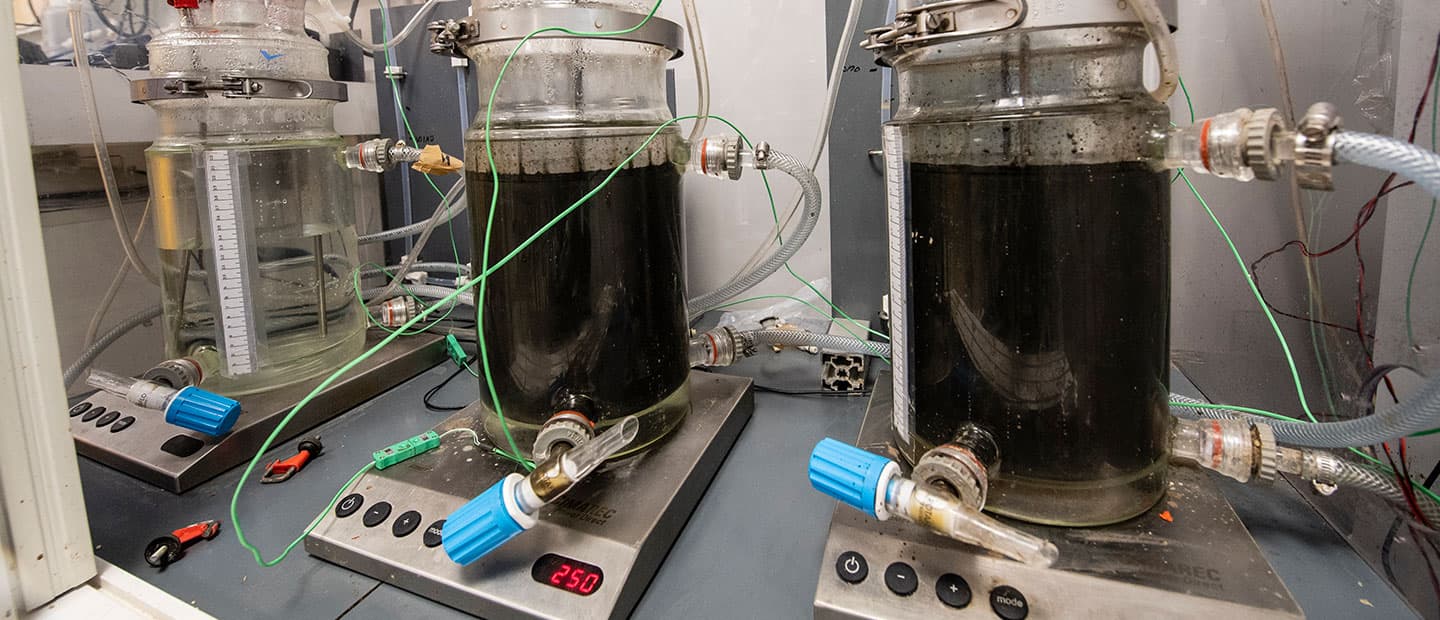
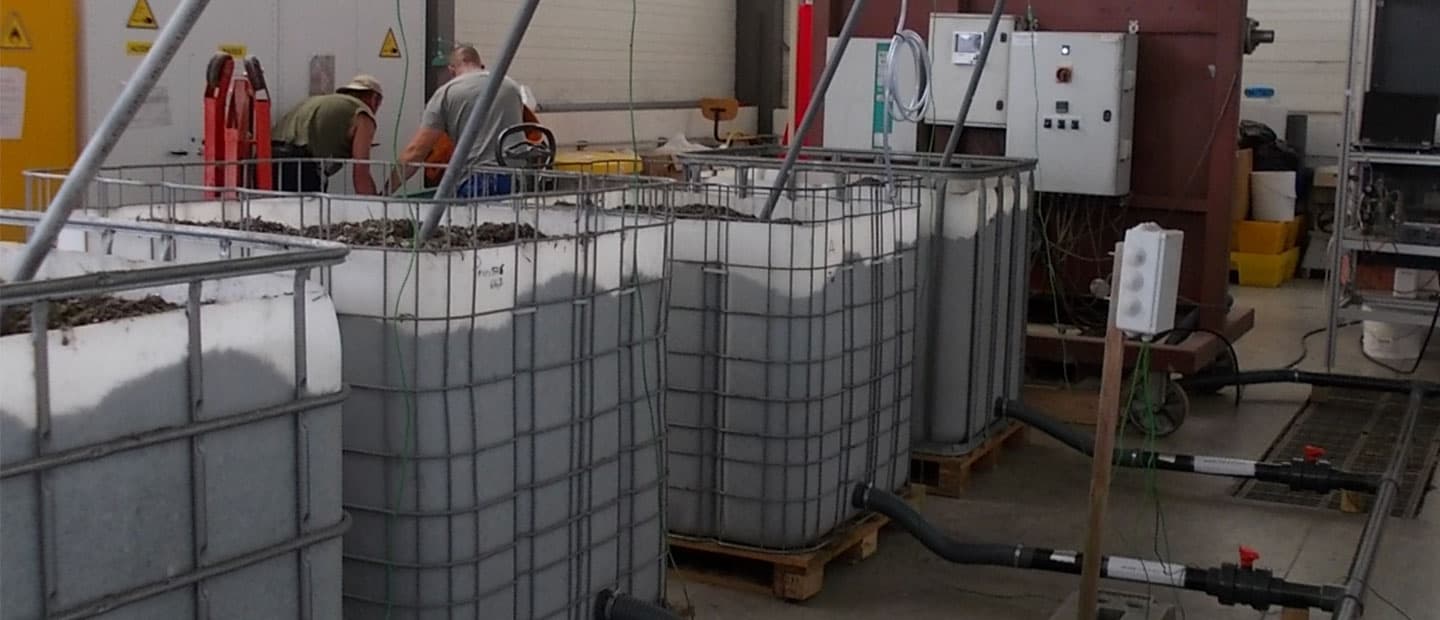
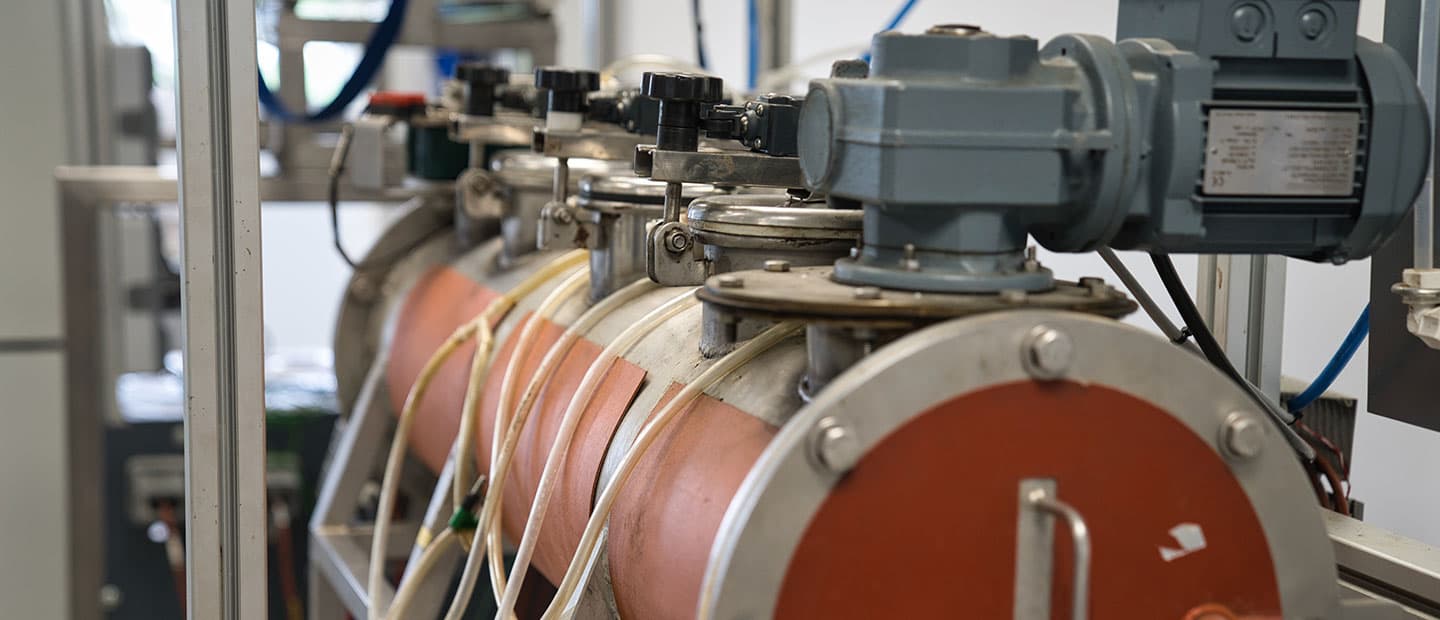
- anaerobic digestion pilot reactors: 15 pilot reactors from 5 L to 500 L. All technologies: completely mixed, continuous and batch dry digestion in mesophilic and thermophilic modes,
- Part of the laboratory and the pilot reactors (20 L and 300 L) are equipped for the study of biological methanation.
These instrumented reactors are combined with state-of-the-art analytical tools for monitoring these processes (gas chromatography (GC, µGC), liquid chromatography (HPLC), UV and near-infrared spectrophotometry, etc.)
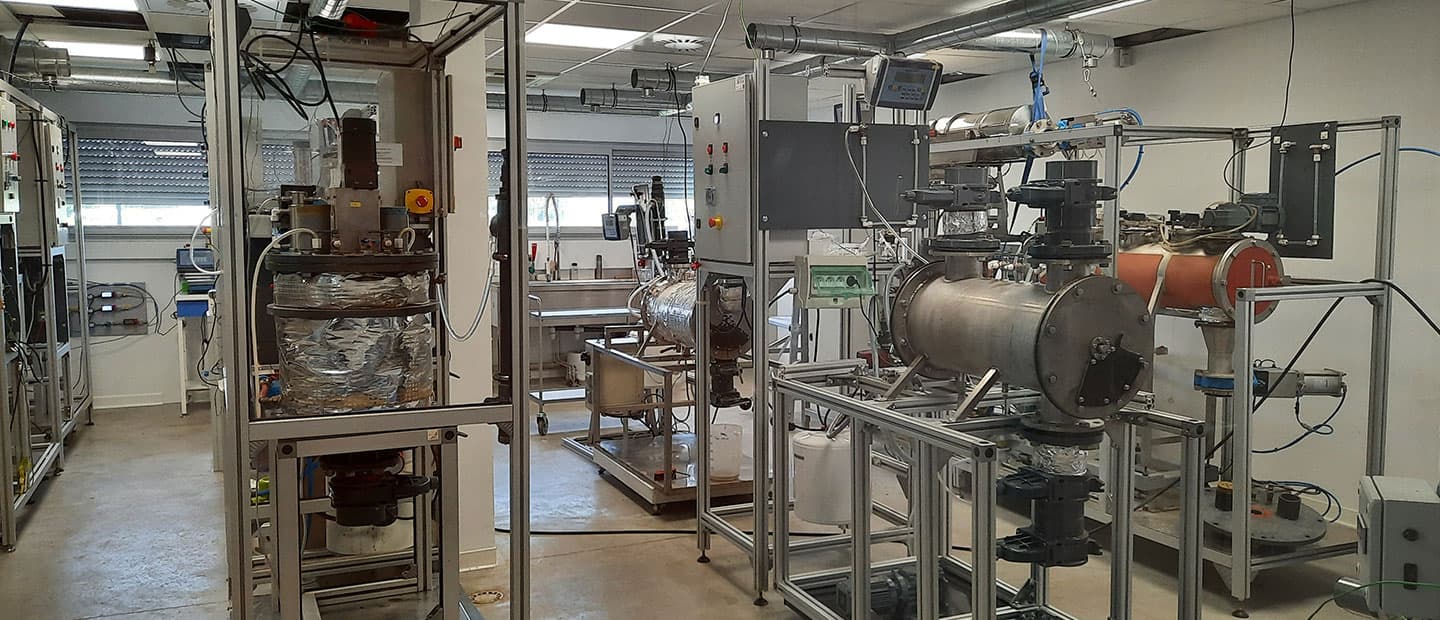
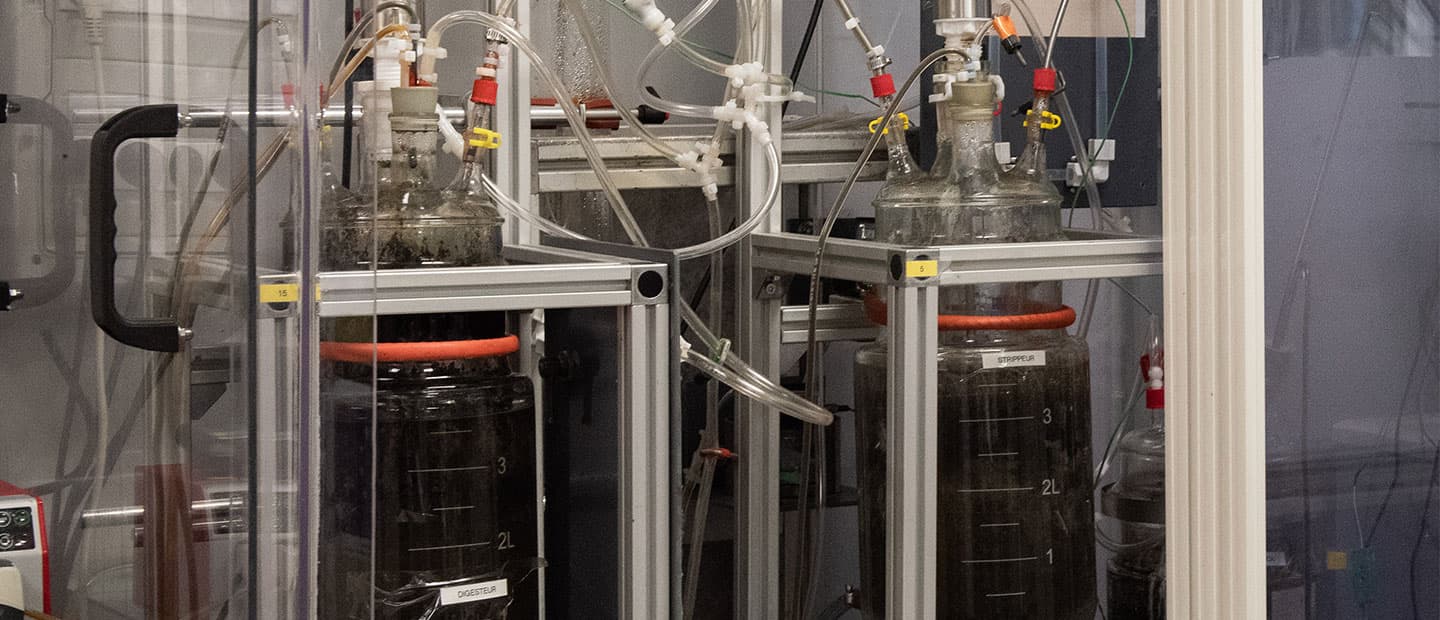
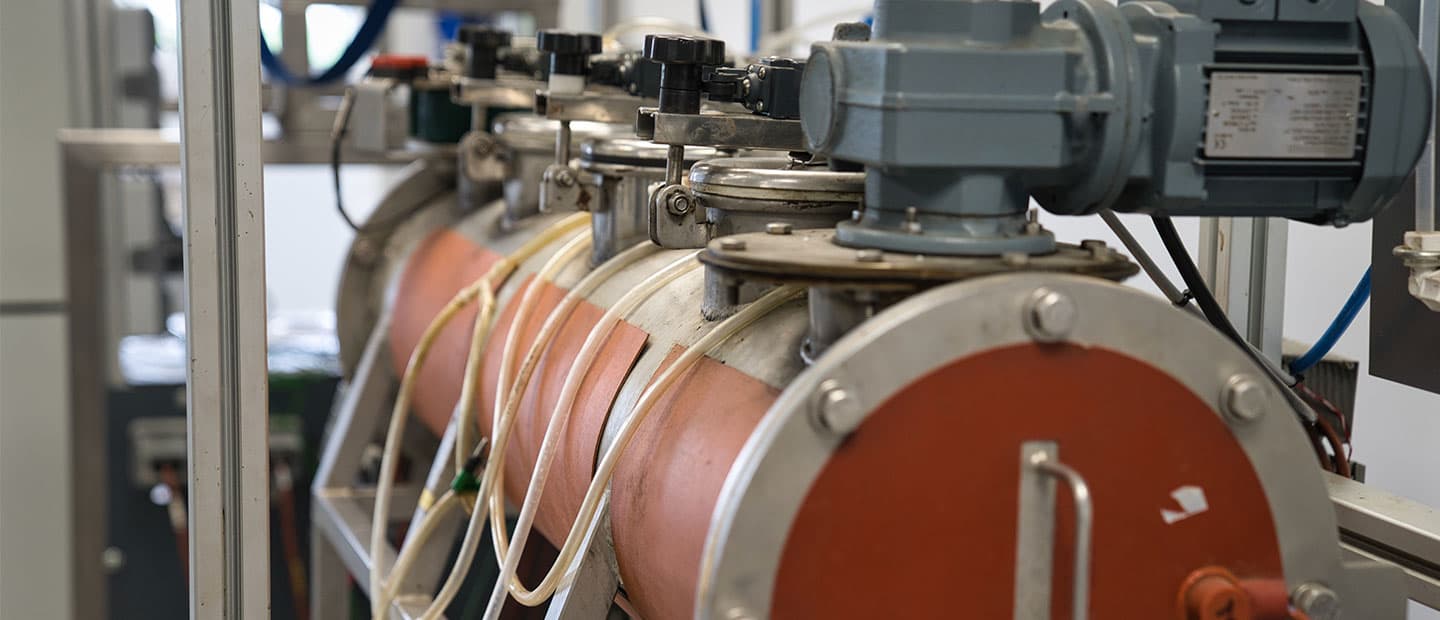
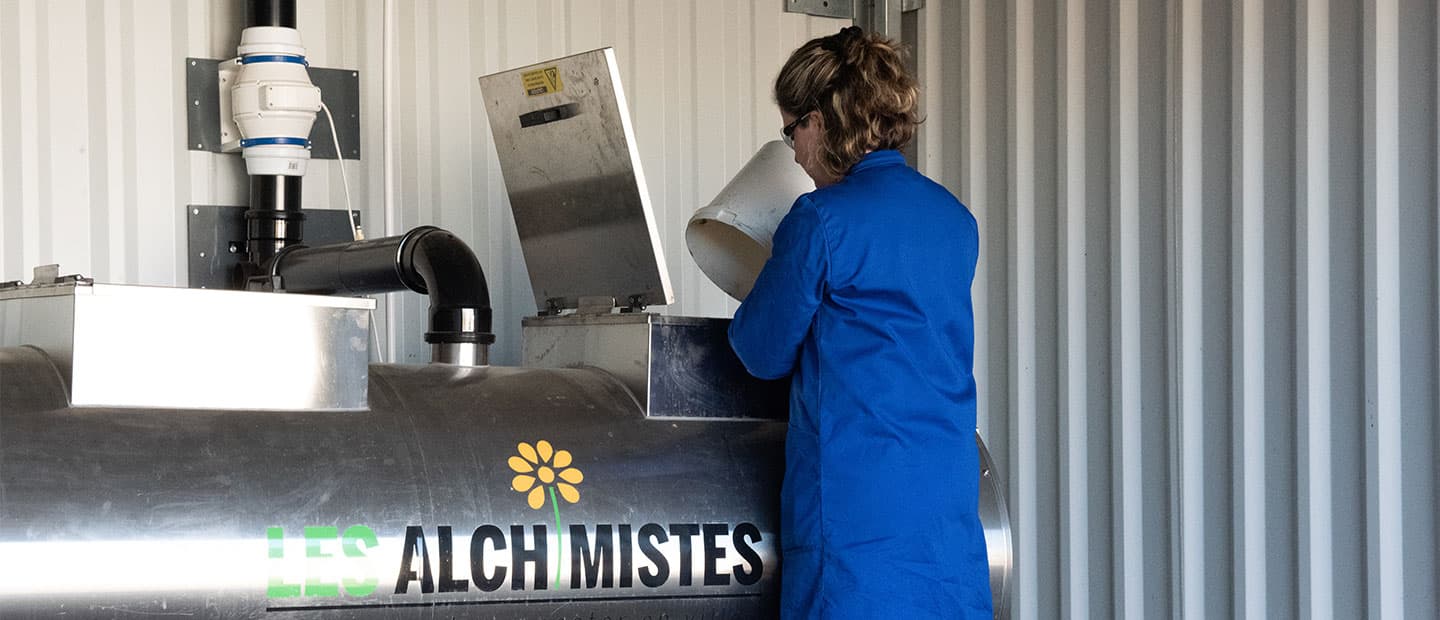
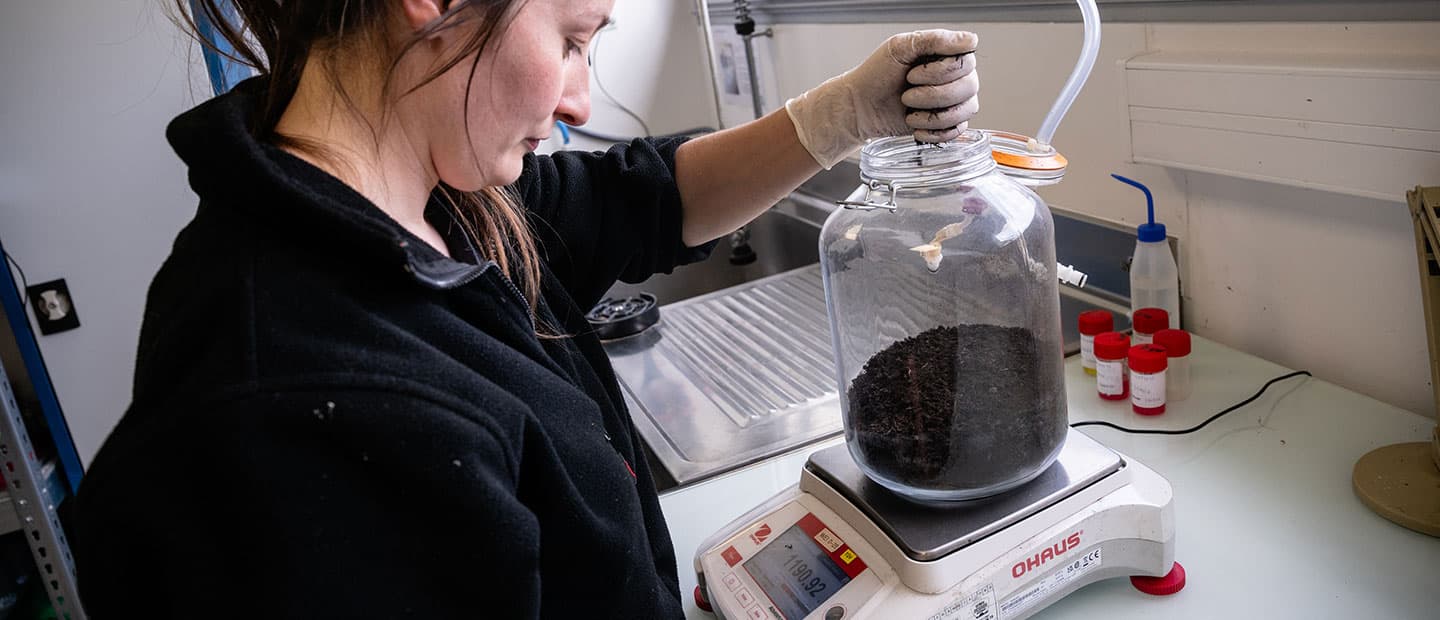
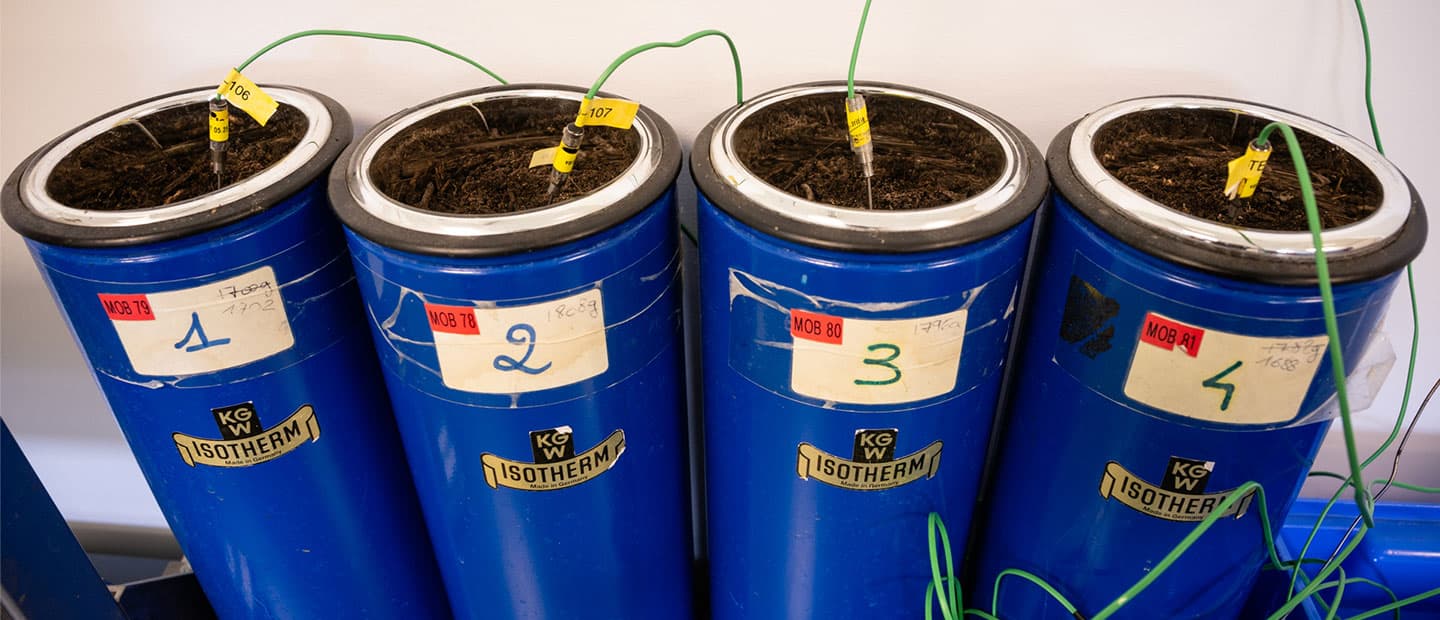
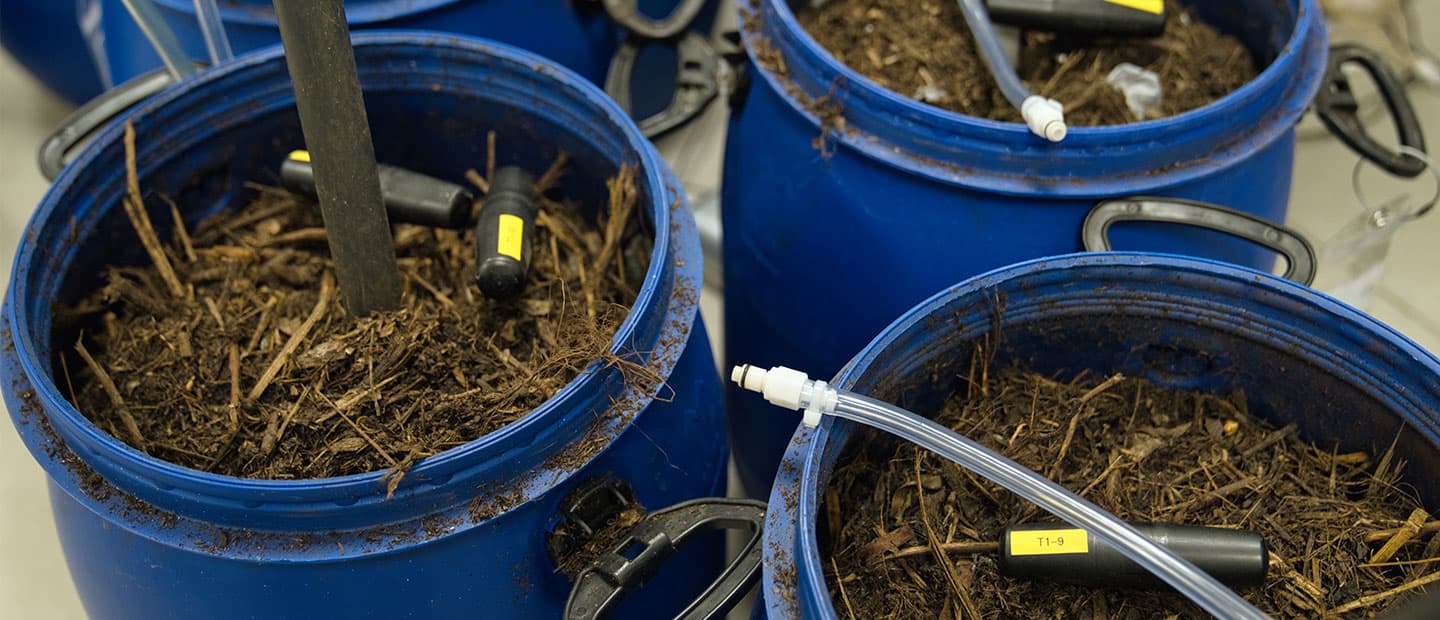
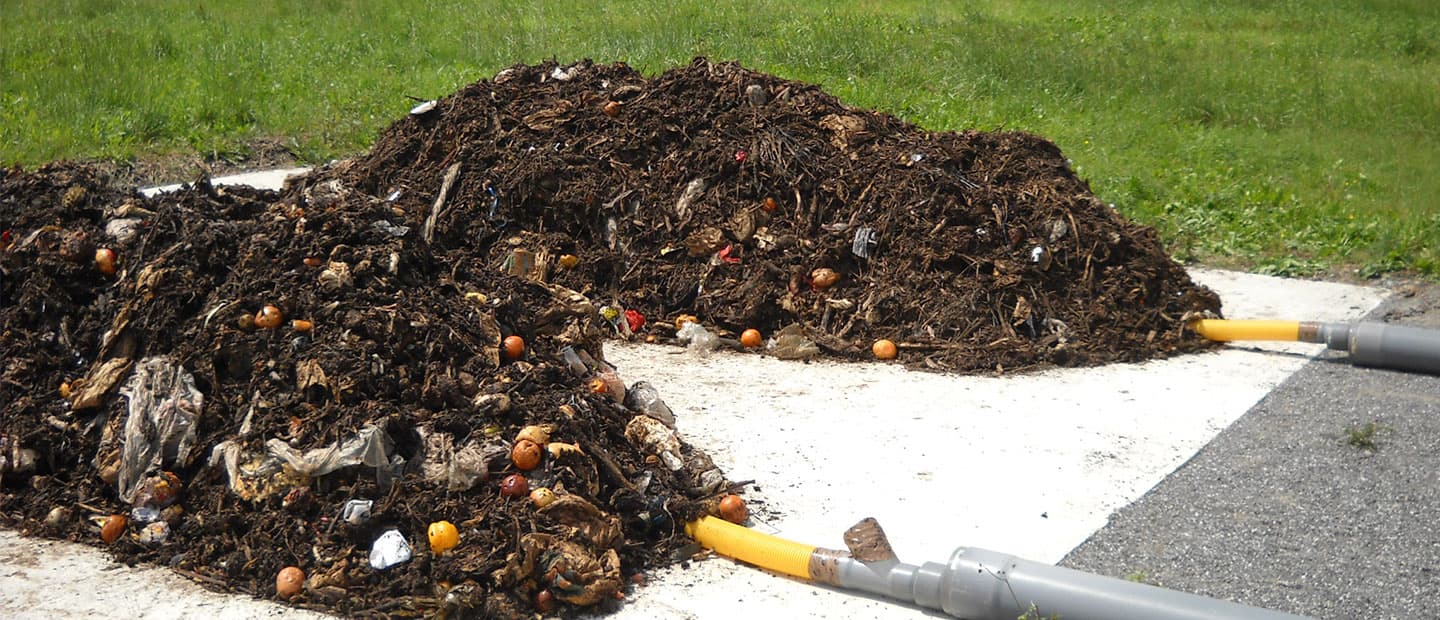
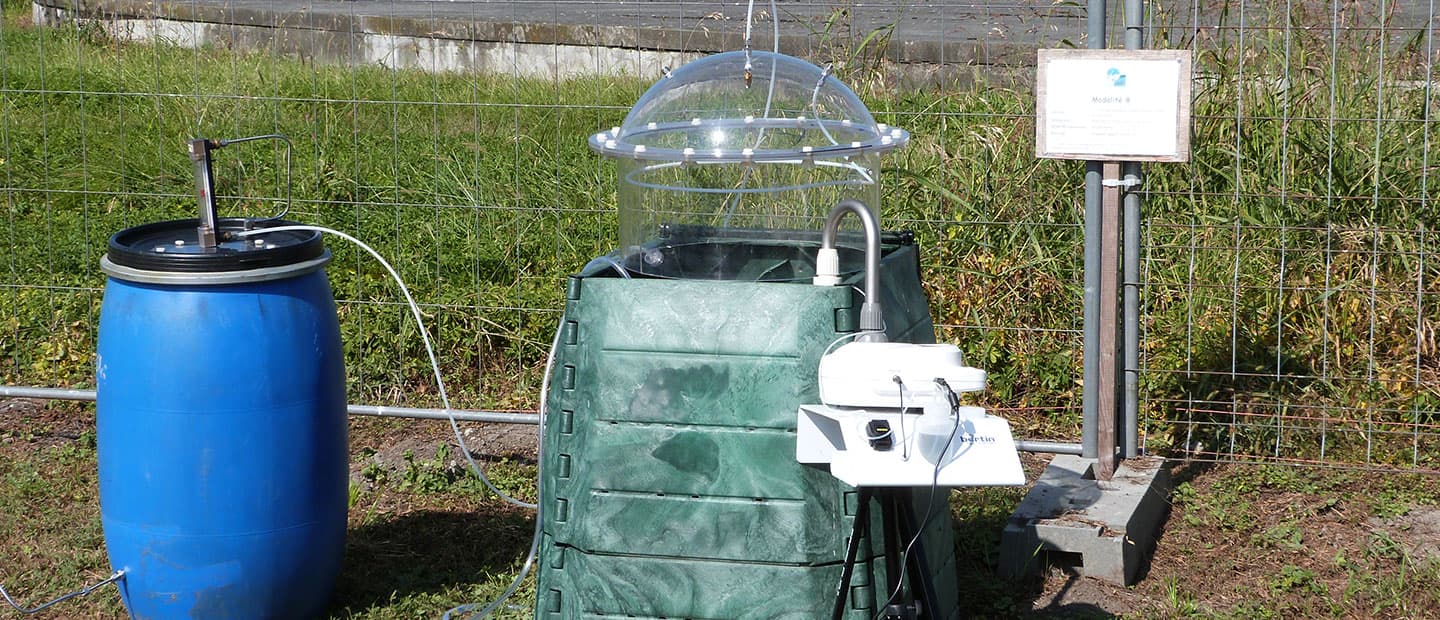
The area dedicated to studying composting processes offers reactors covering a wide range of scales:
- 70 laboratory-scale (3 L) composting reactors,
- 20 reactors from 60 to 200 L,
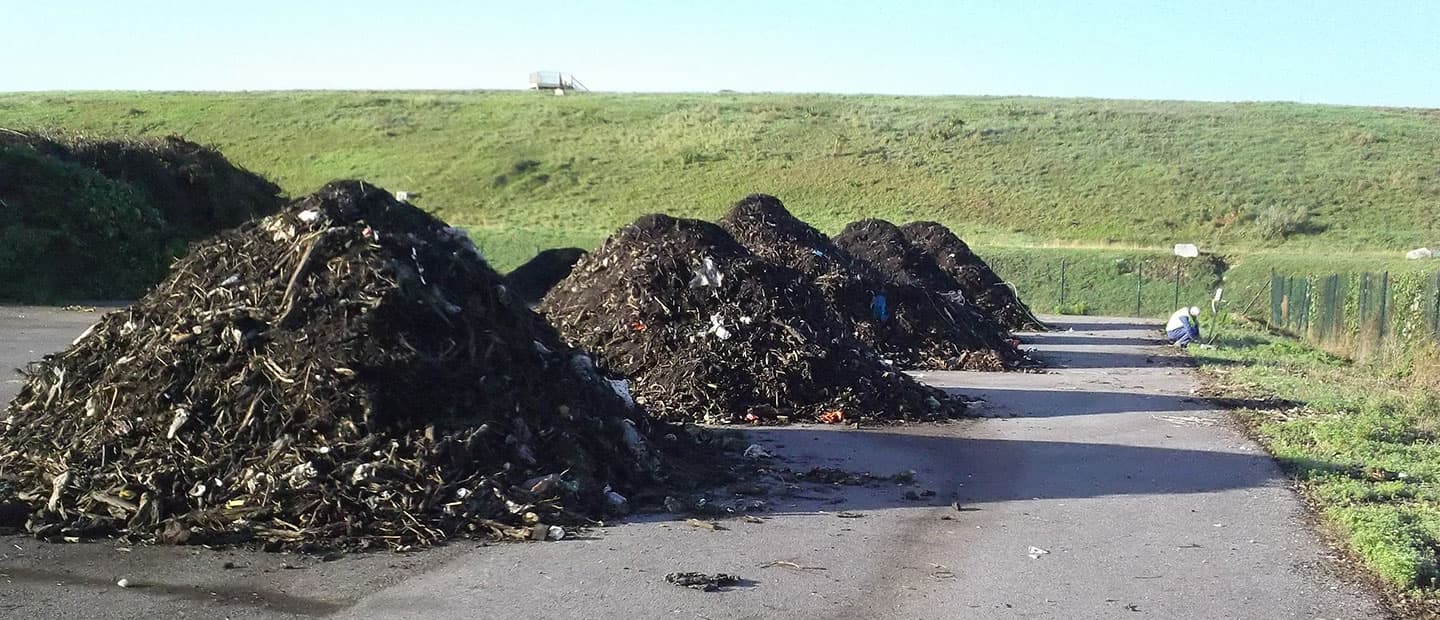
- Option for windrow simulation with aeration (from 1 m3), electromechanical composters.
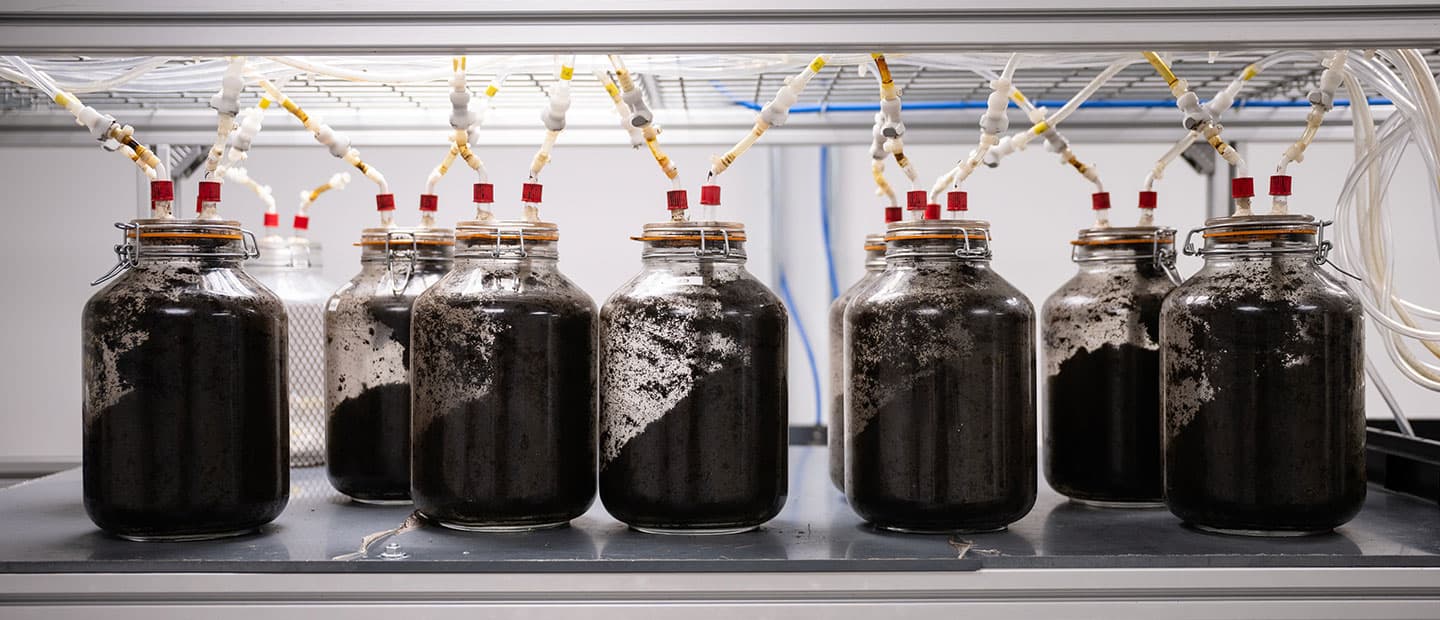
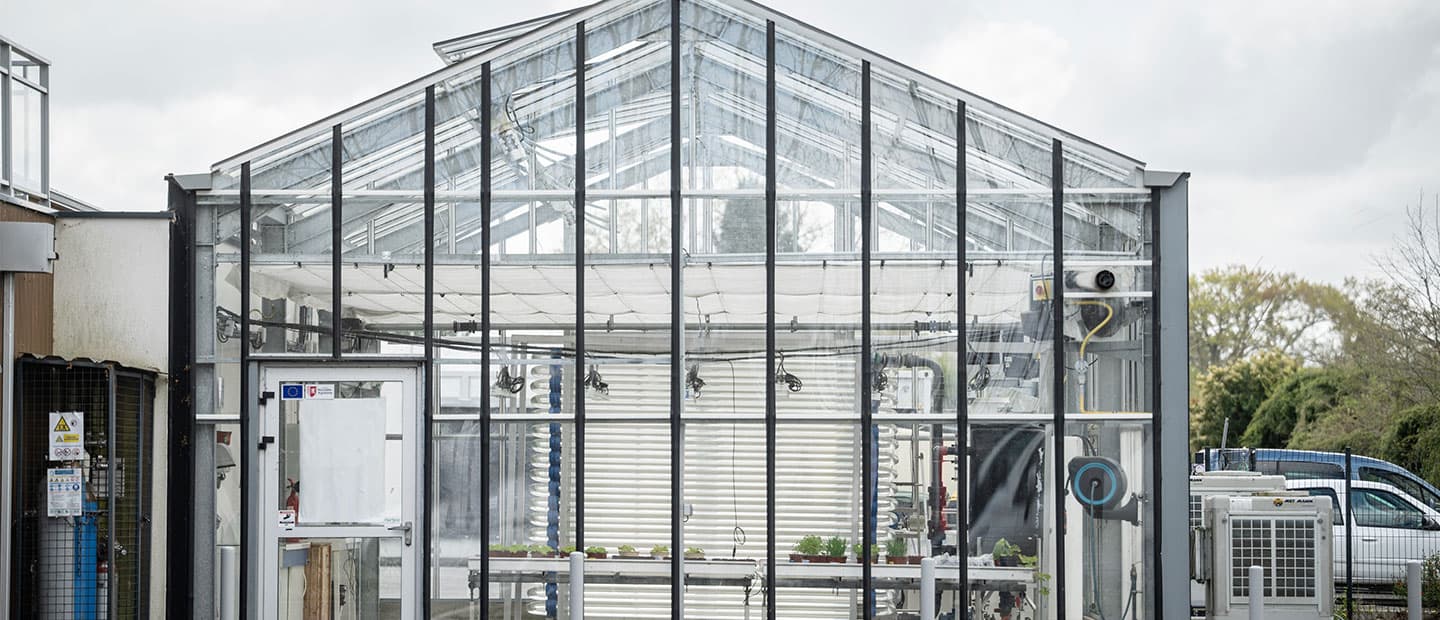
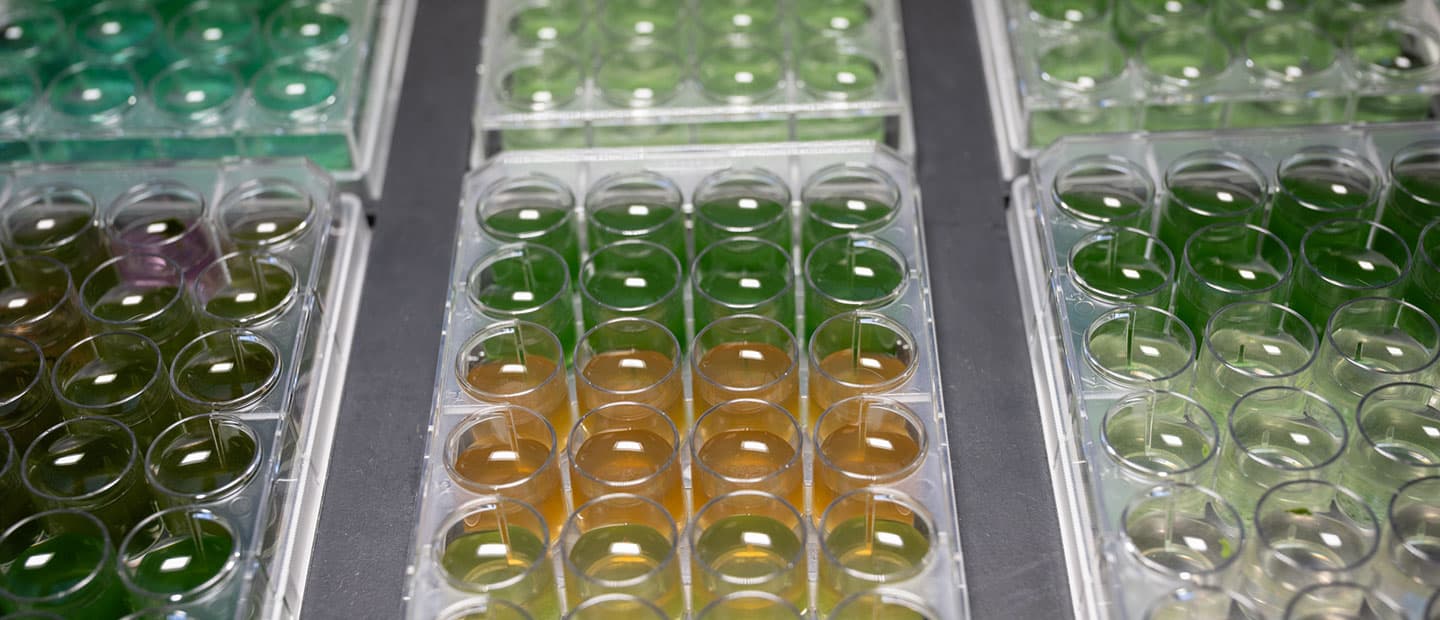
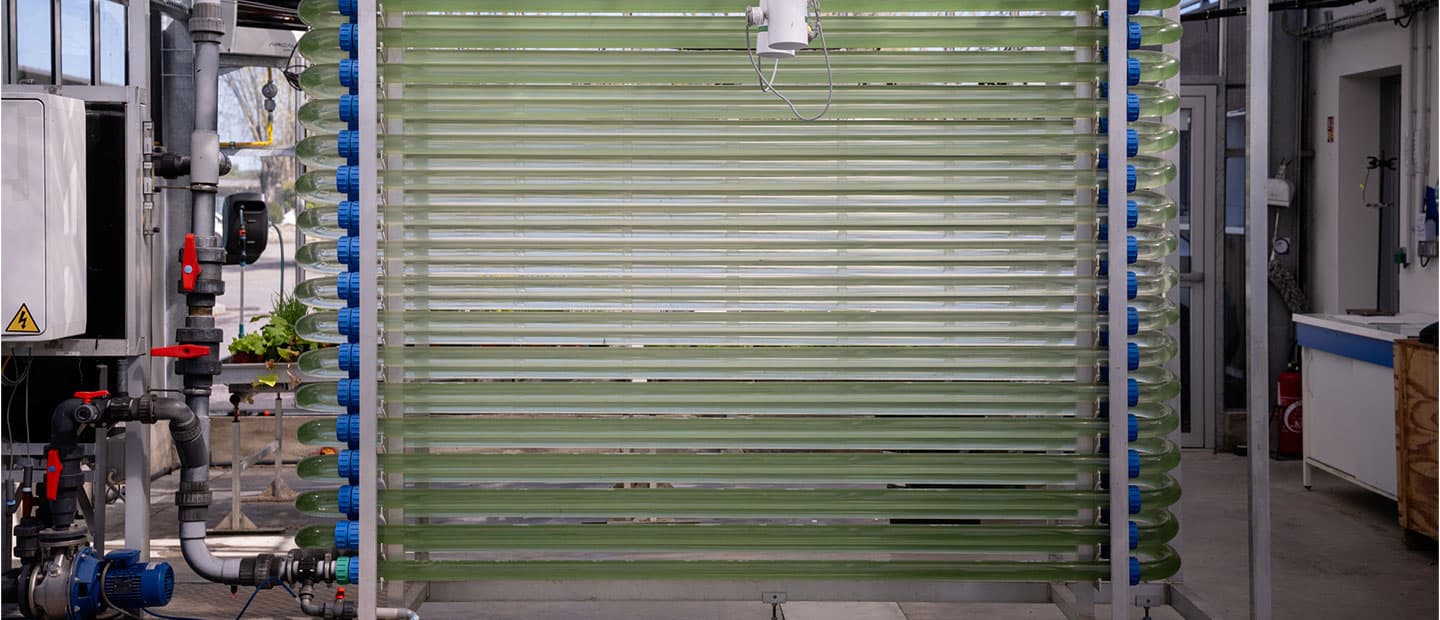
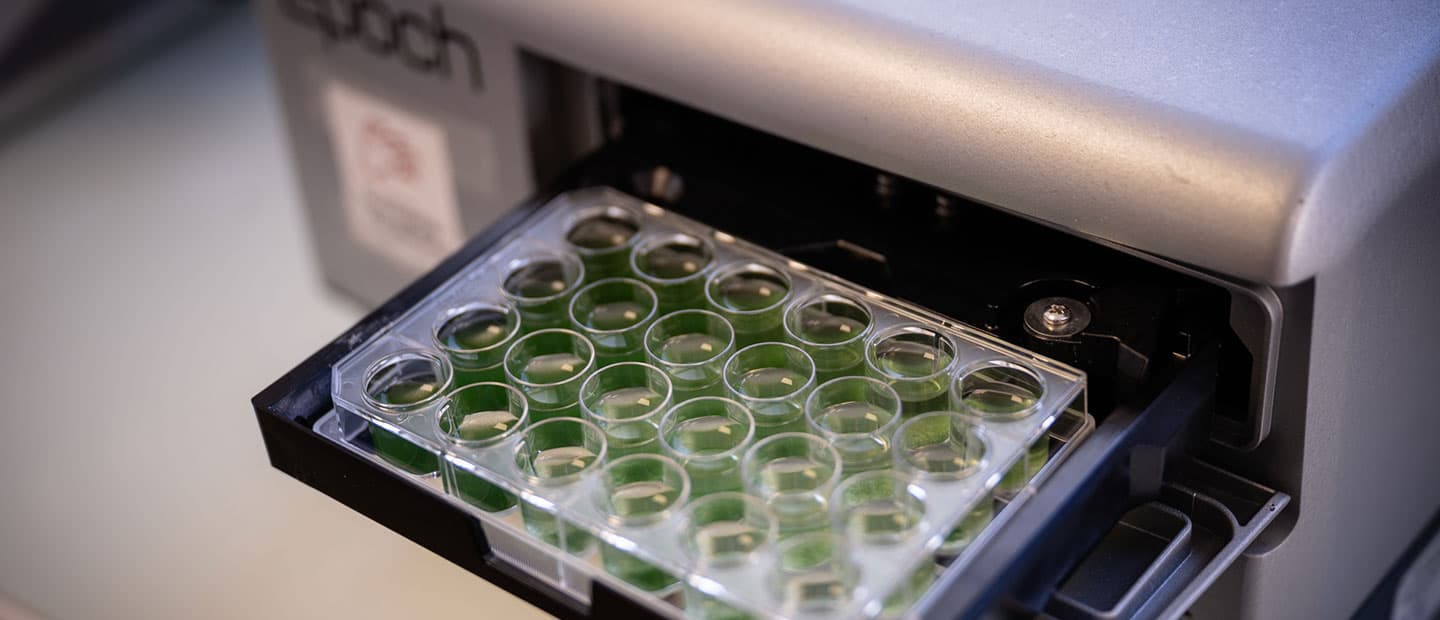
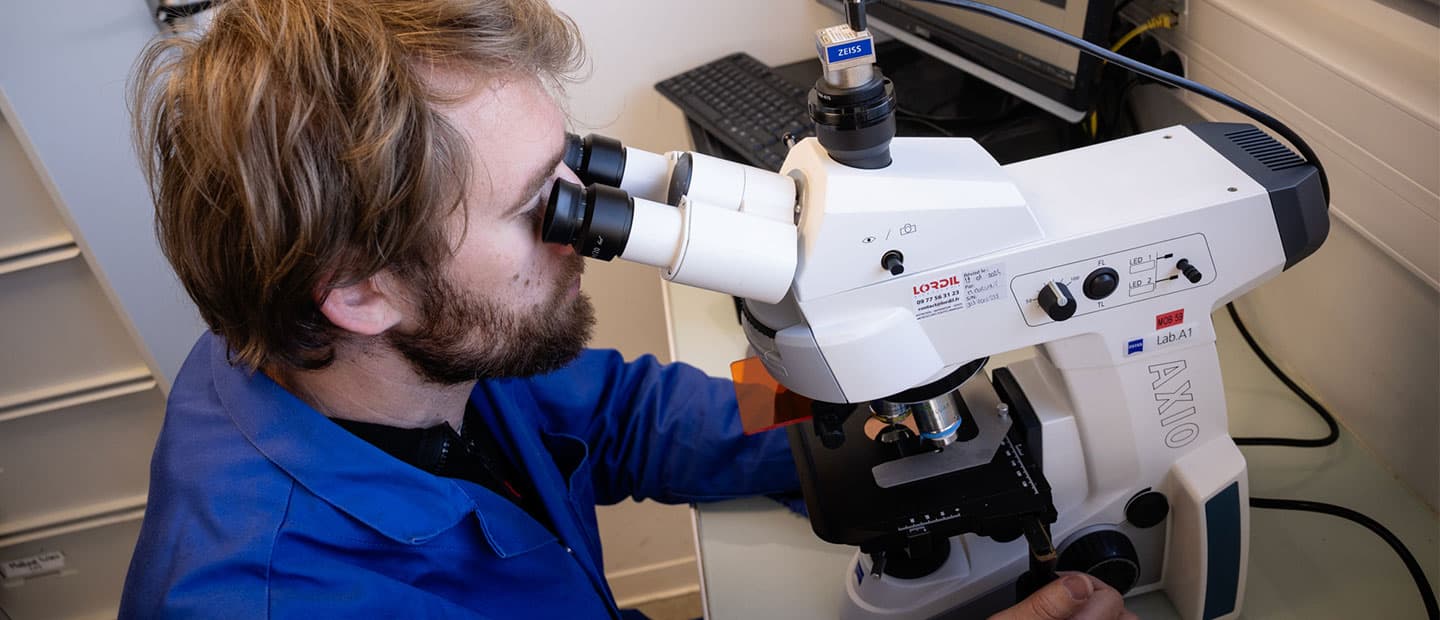
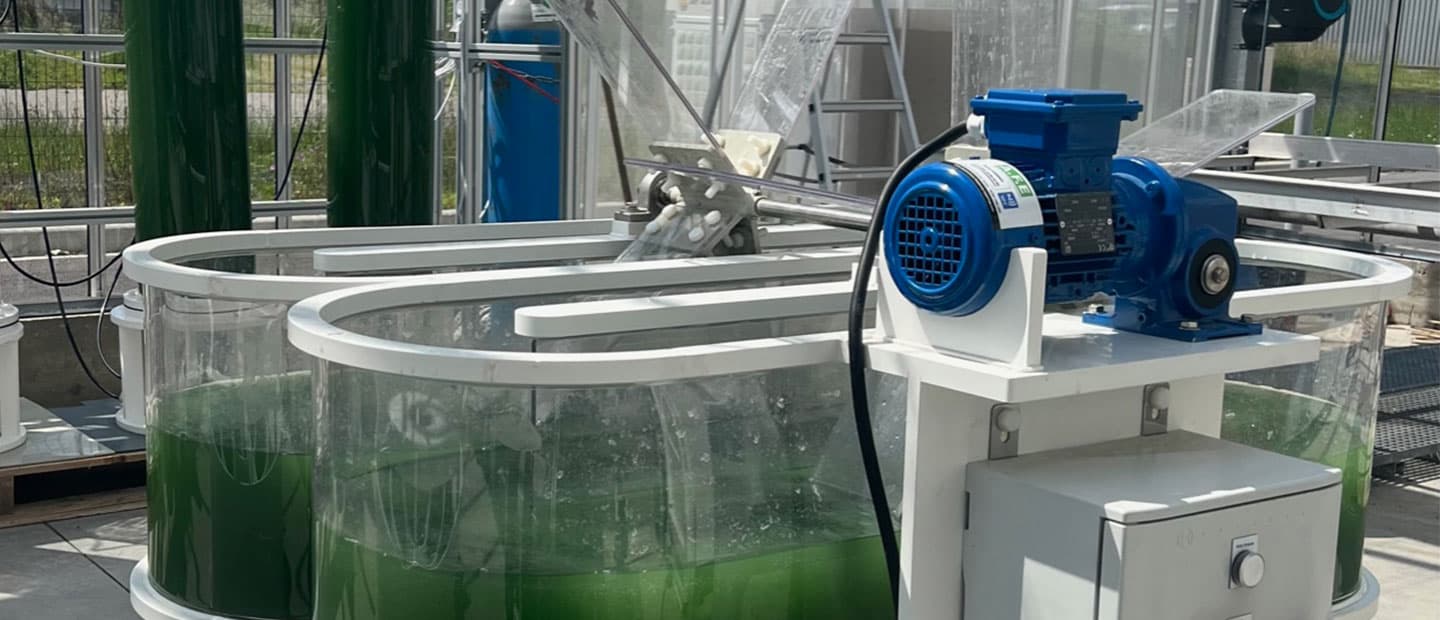
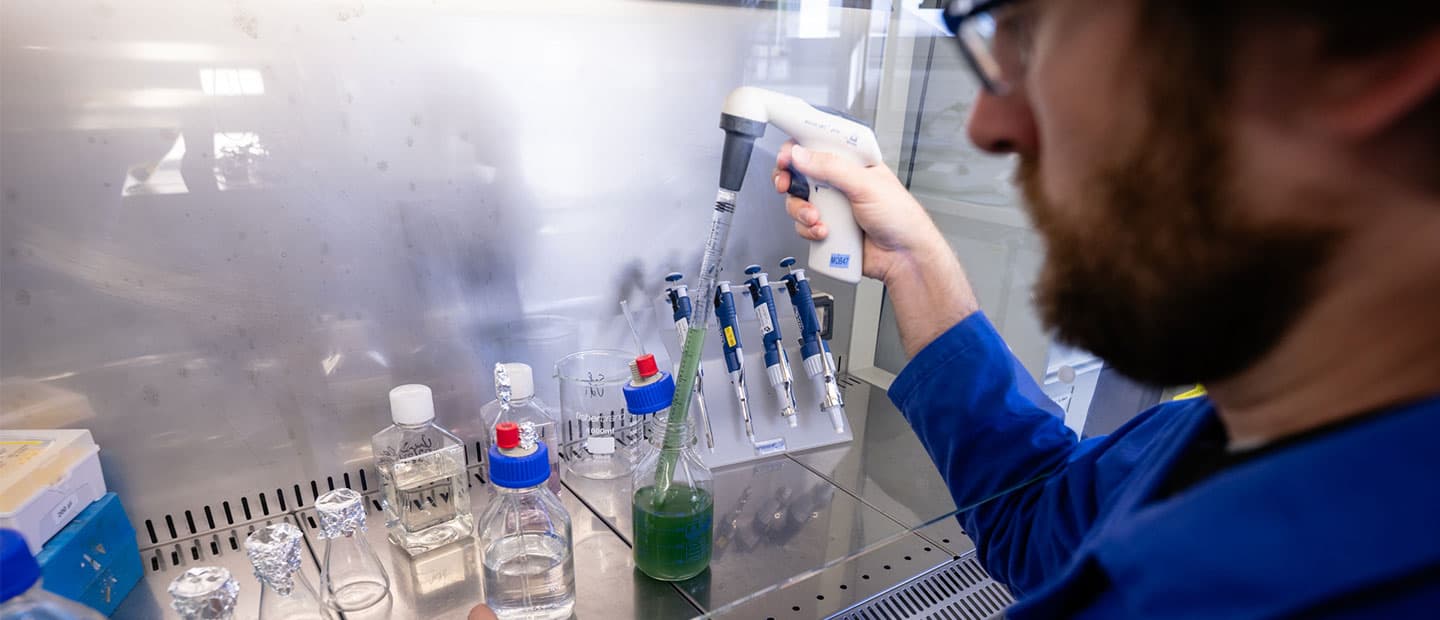
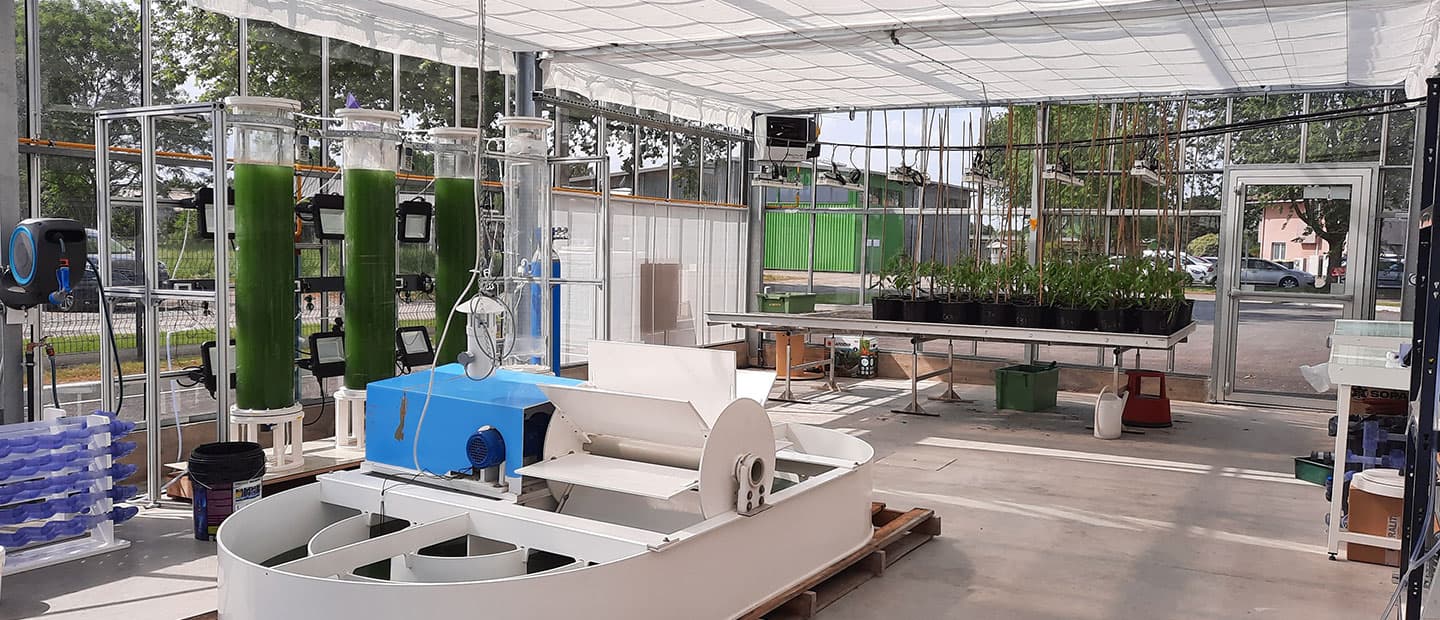
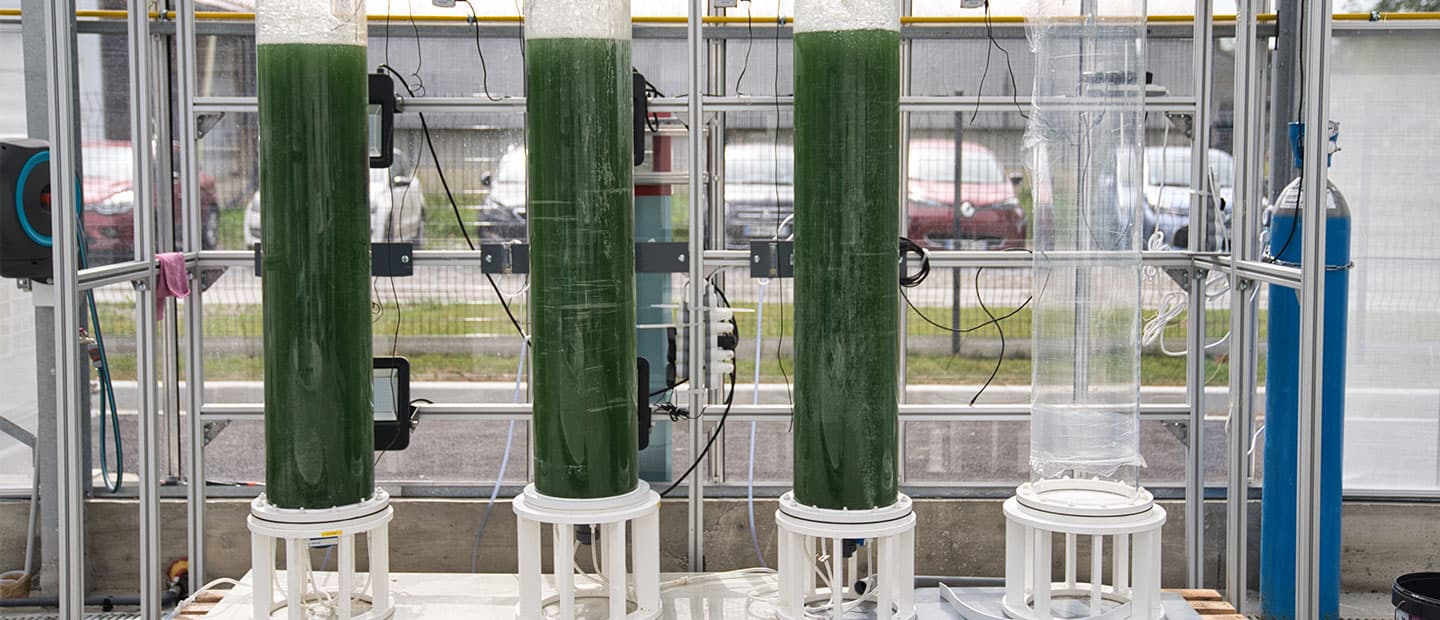
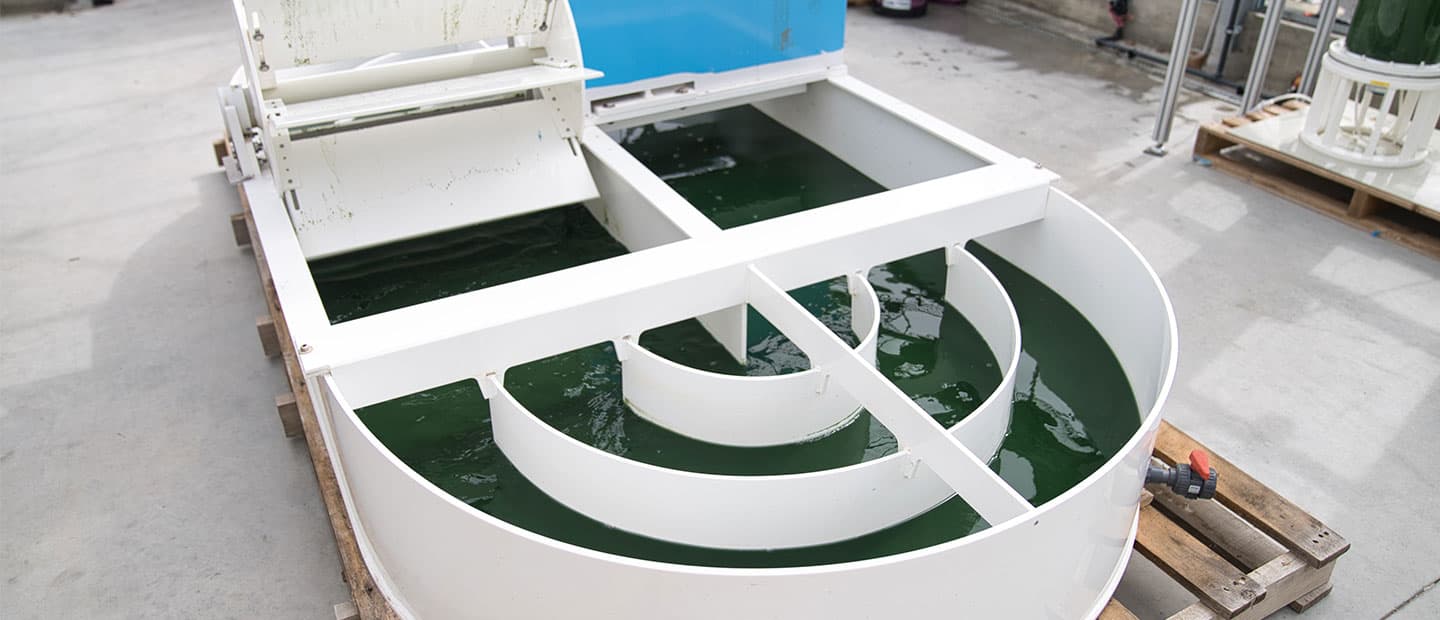
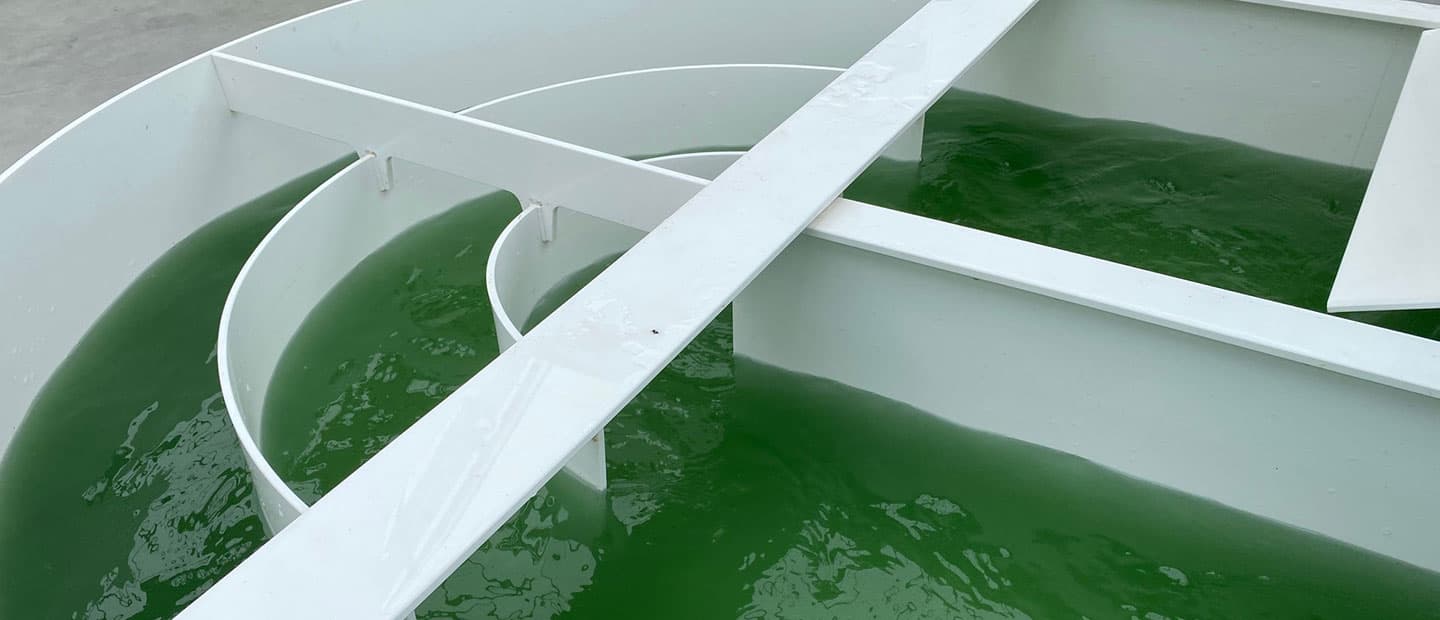
APESA has all the cultivation and monitoring tools required to carry out activities related to microalgae (cultivation, harvesting and valorization) and effluent treatment:
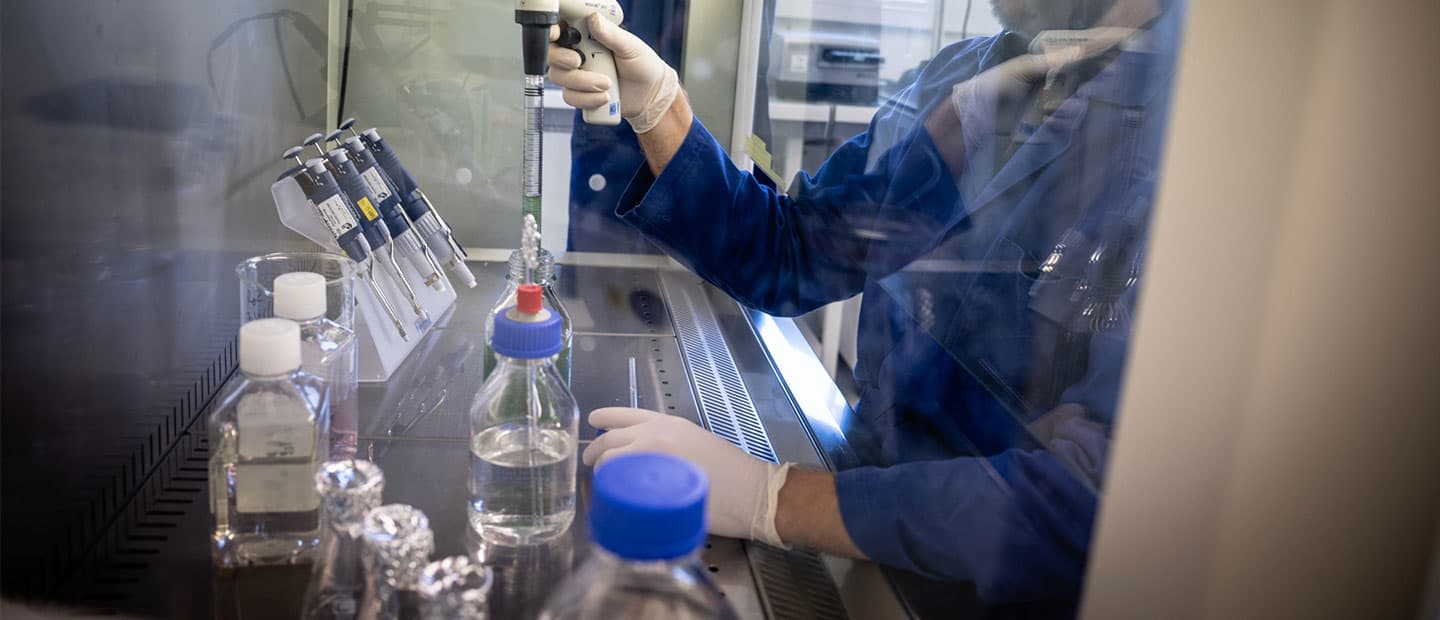
- An experimental laboratory dedicated to carrying out and monitoring cultures (sterile hood, microscope, spectrophotometer, shaker, etc.) and an experimental greenhouse,
- experimental units useful for effluent treatment (adsorption columns, stripping unit, activated sludge reactor, jar test, etc.),
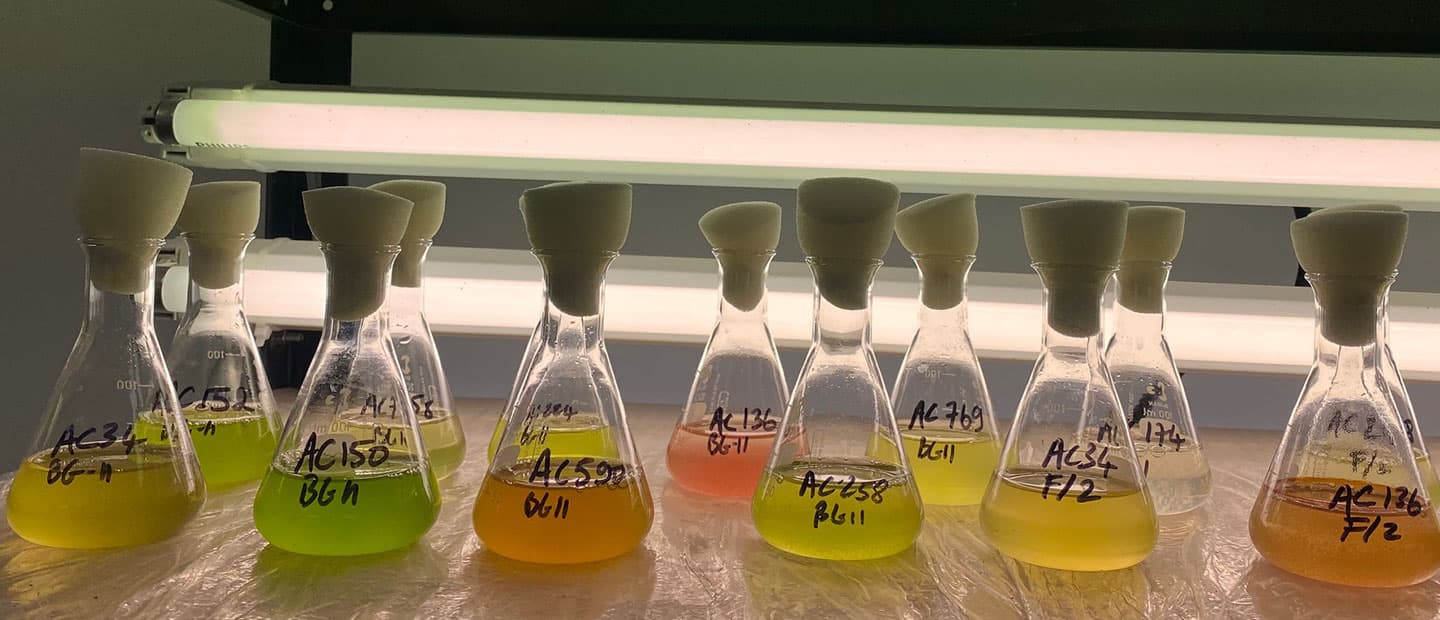
- A collection of several species of microalgae and cyanobacteria,
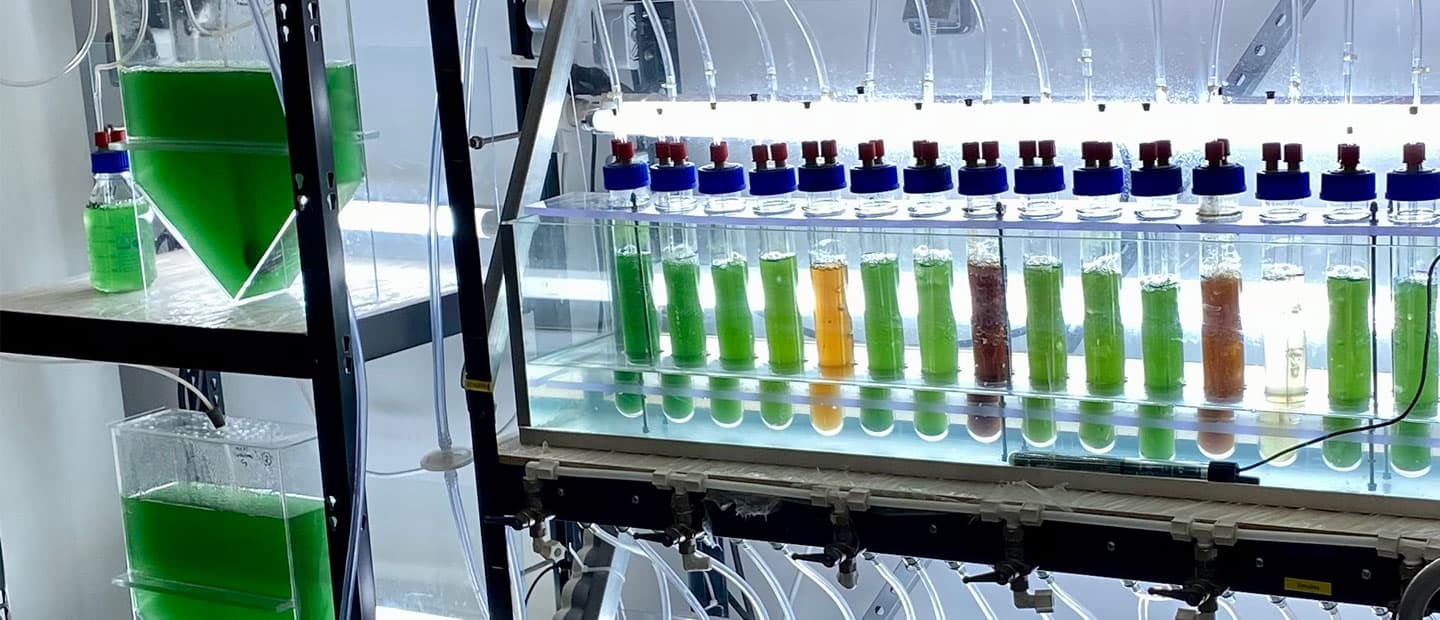
- A temperature-controlled culture cabinet equipped with more than 30 reactors (V ≈ 200mL),
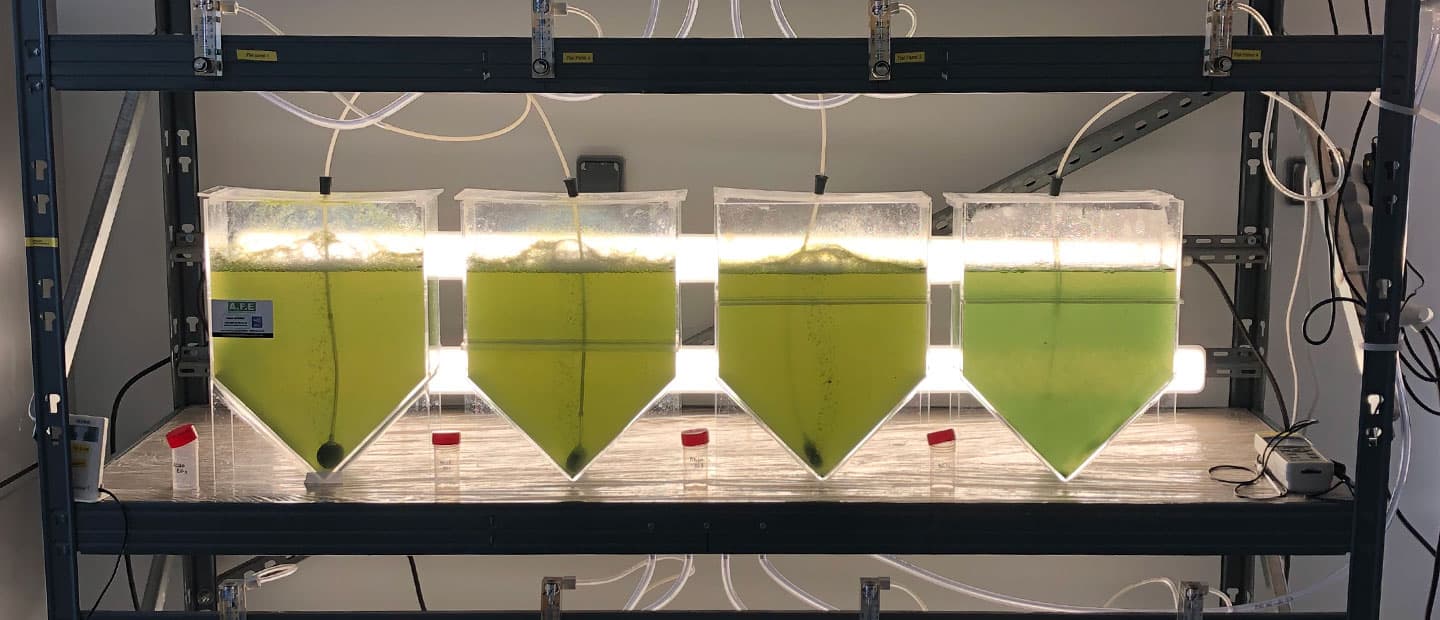
- Several laboratory-scale photobioreactors of the flat panel and raceway types (V ≤ 10 L),
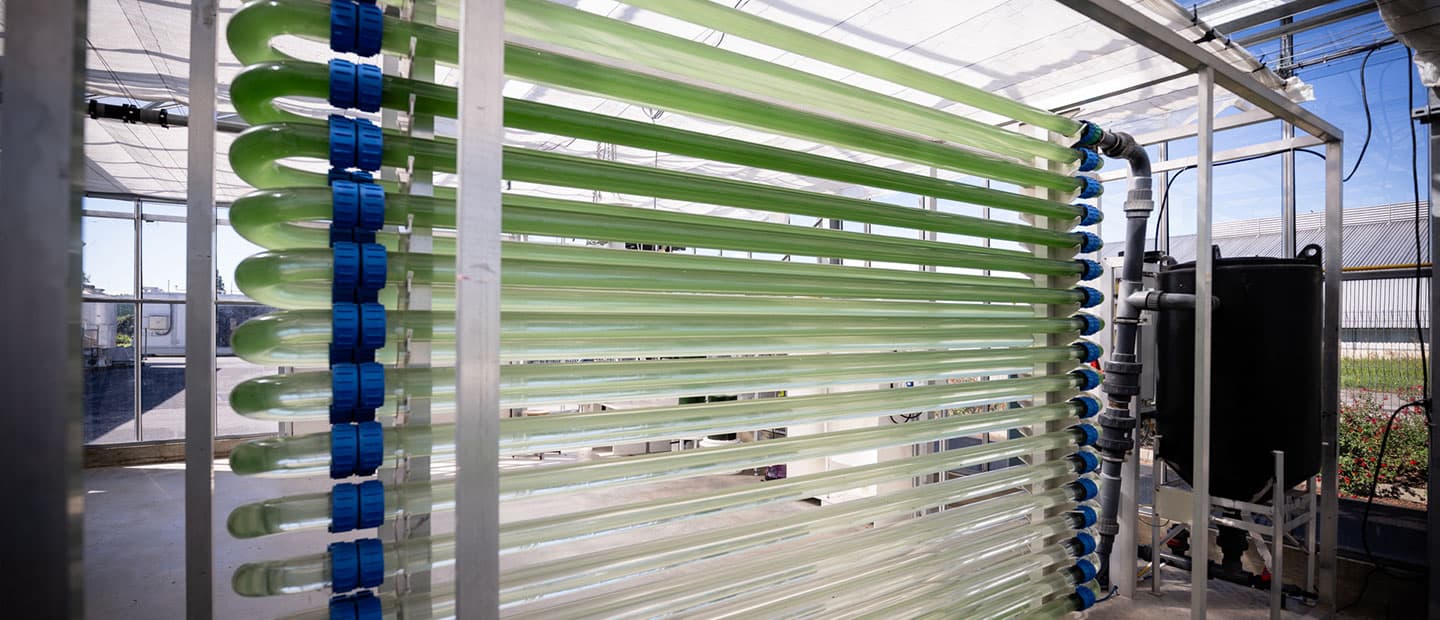
- pilot-scale photobioreactors of the raceway, bubble column and tubular reactor types (V = 100- 1000 L),
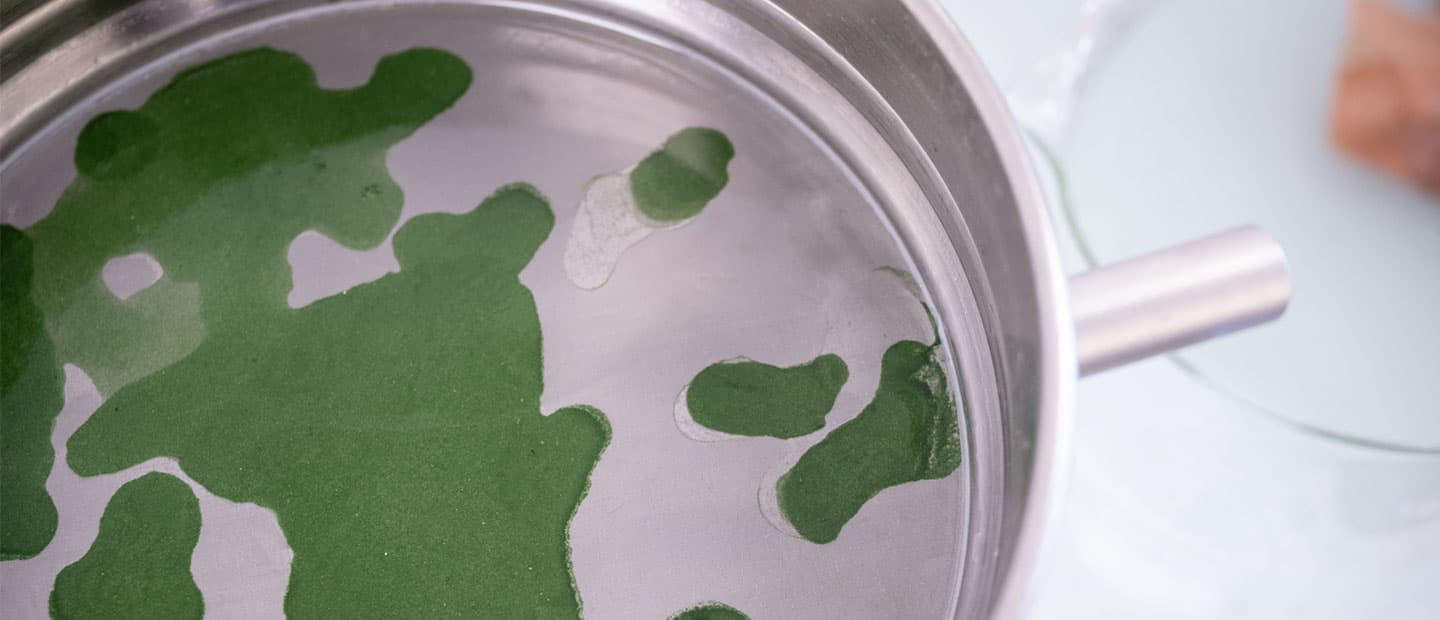
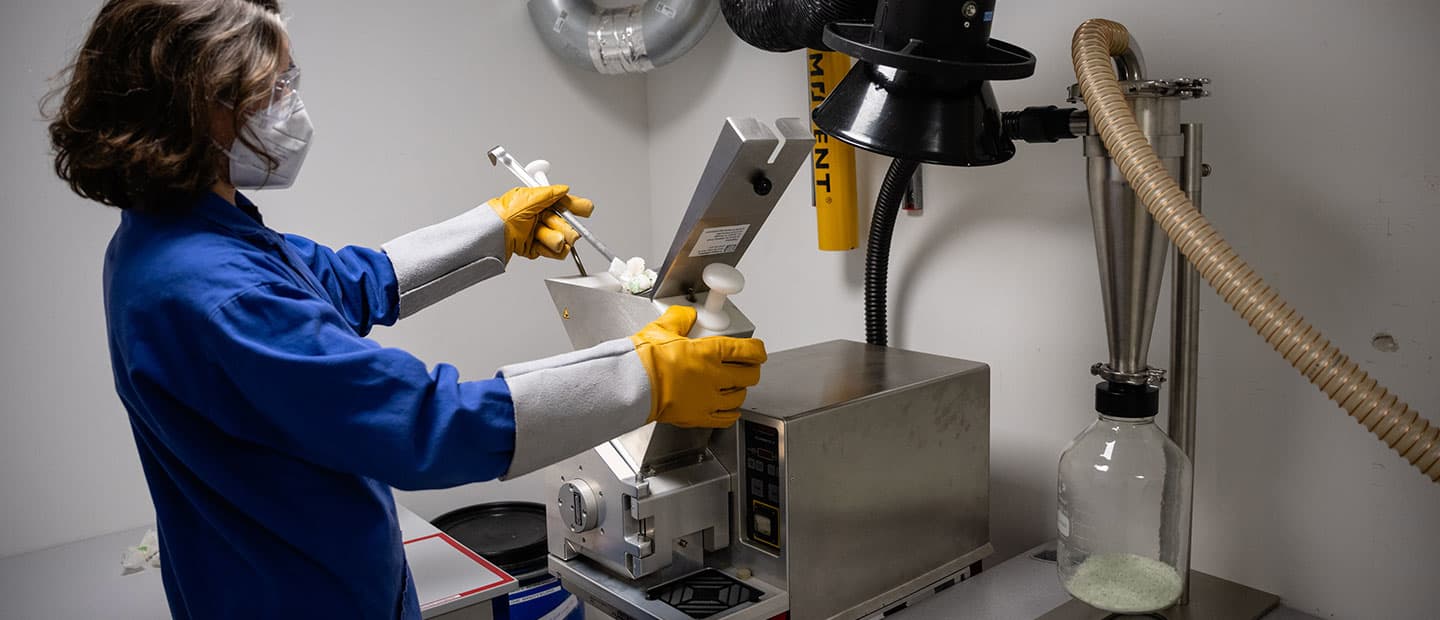
- Various equipment for harvesting, concentrating and drying biomass (flocculator, centrifuge, sieve, freeze-dryer, etc.),
- Treatment units for cell extraction (enzyme bioreactor, ultrasound probes, etc.).
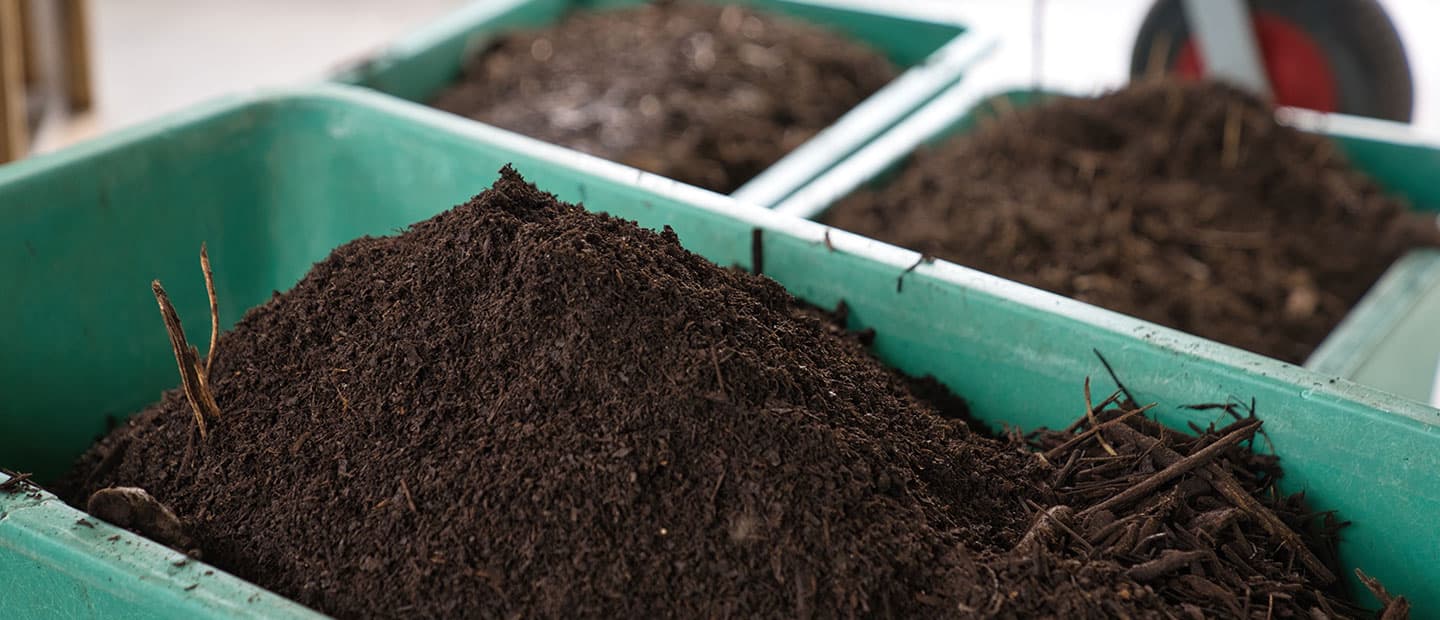
This area provides the facilities required for the study of biodegradability in home composting, industrial composting and anaerobic digestion:
- Certification applications to TUV AUSTRIA,
- Verification of compliance with applicable standards,
- Product development.
Our tools and pilot units also enable studies, beyond standard protocols, of the behaviour of products and materials under conditions representative of industrial treatment value chains: windrow composting simulation, electromechanical composting, continuous anaerobic digestion pilot units…
Biodegradability in composting:
- Biodegradation in composting: 70 reactors (respirometry) at 30°C and 58°C with monitoring by gas chromatography,
- Disintegration in composting: 20 reactors from 60 to 200 L,
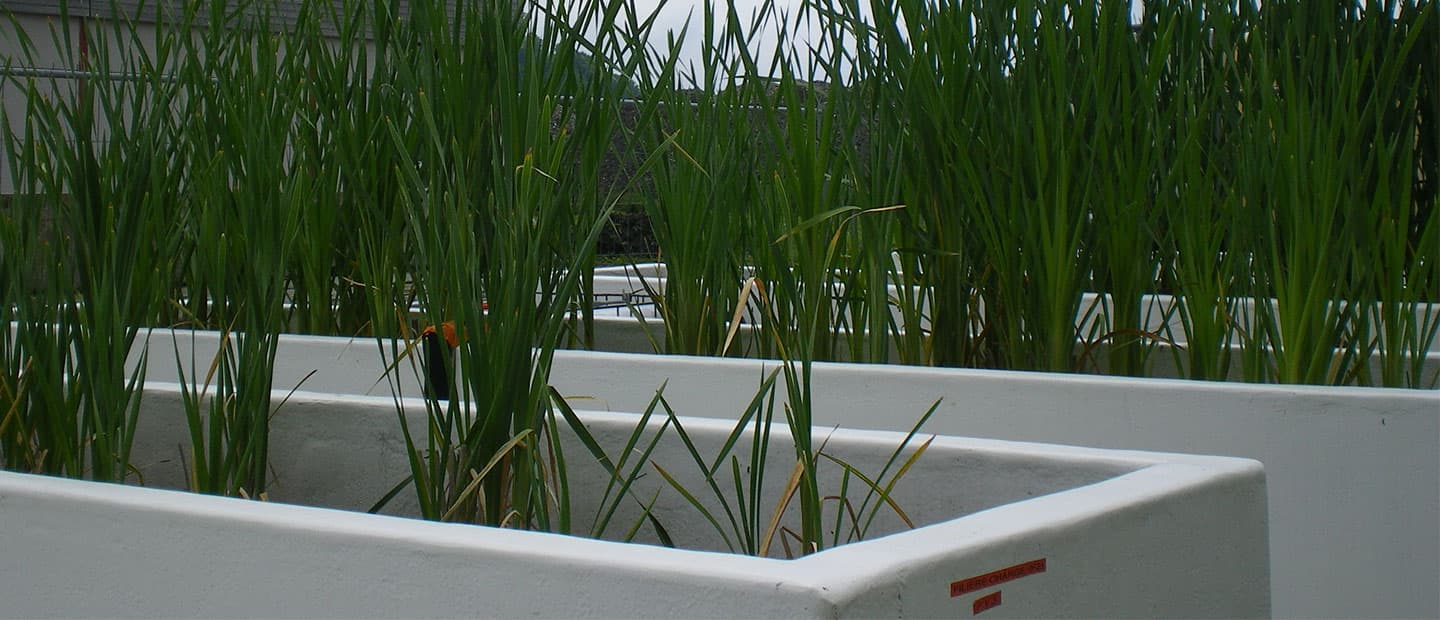
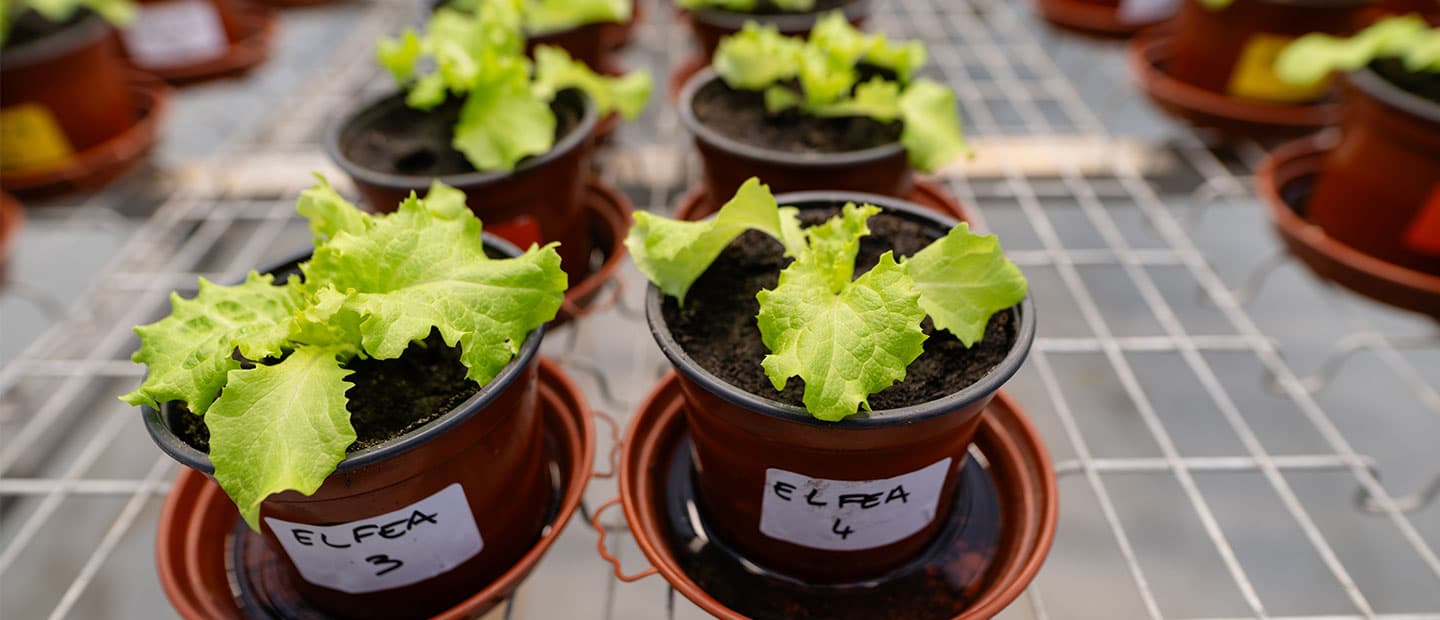
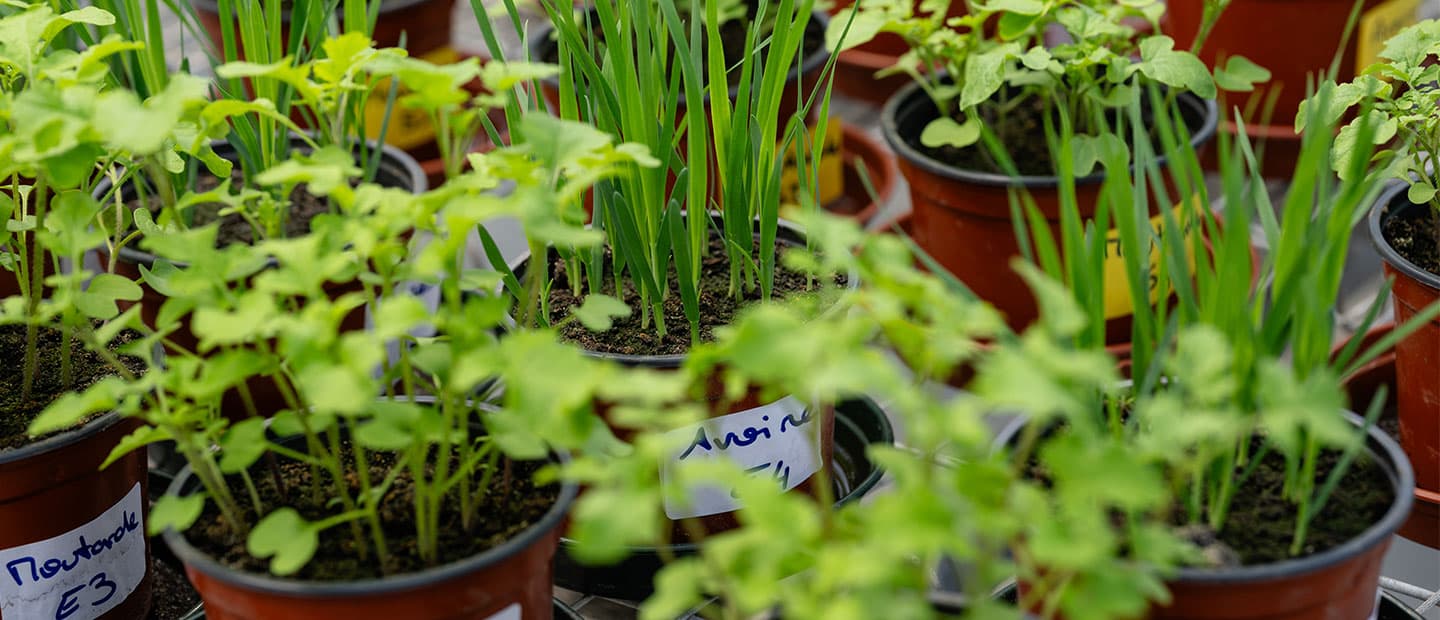
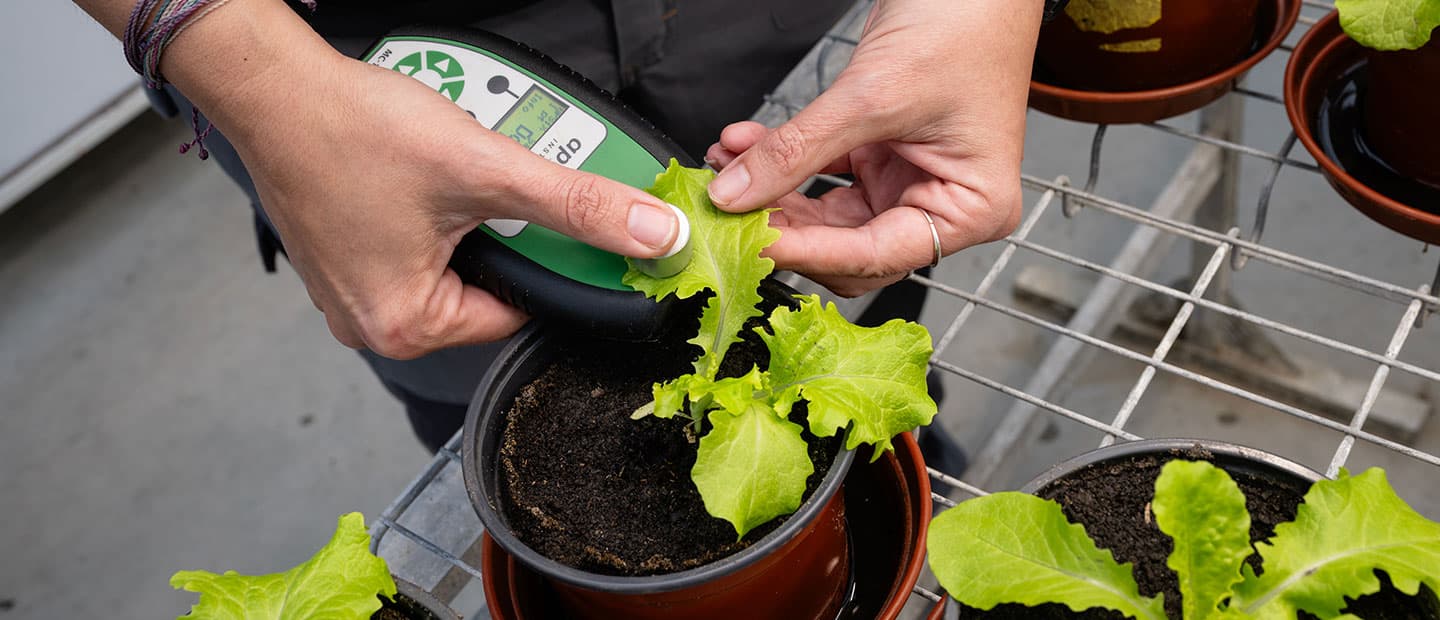
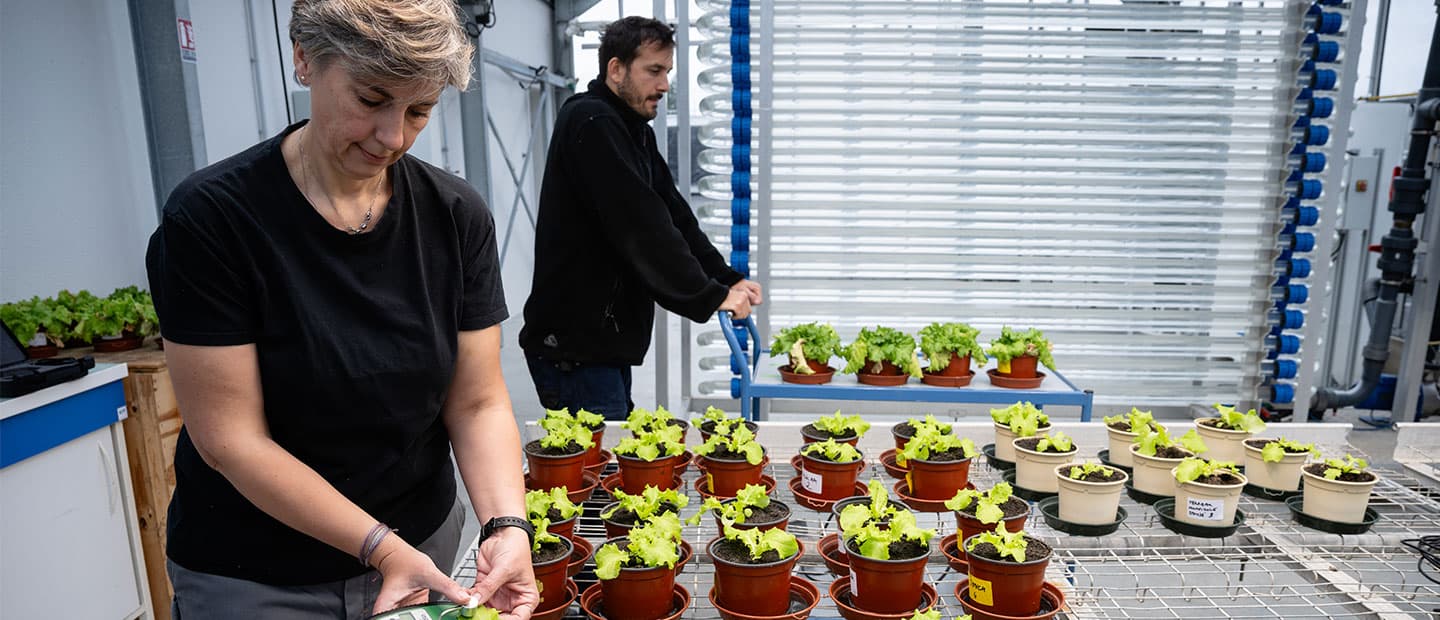
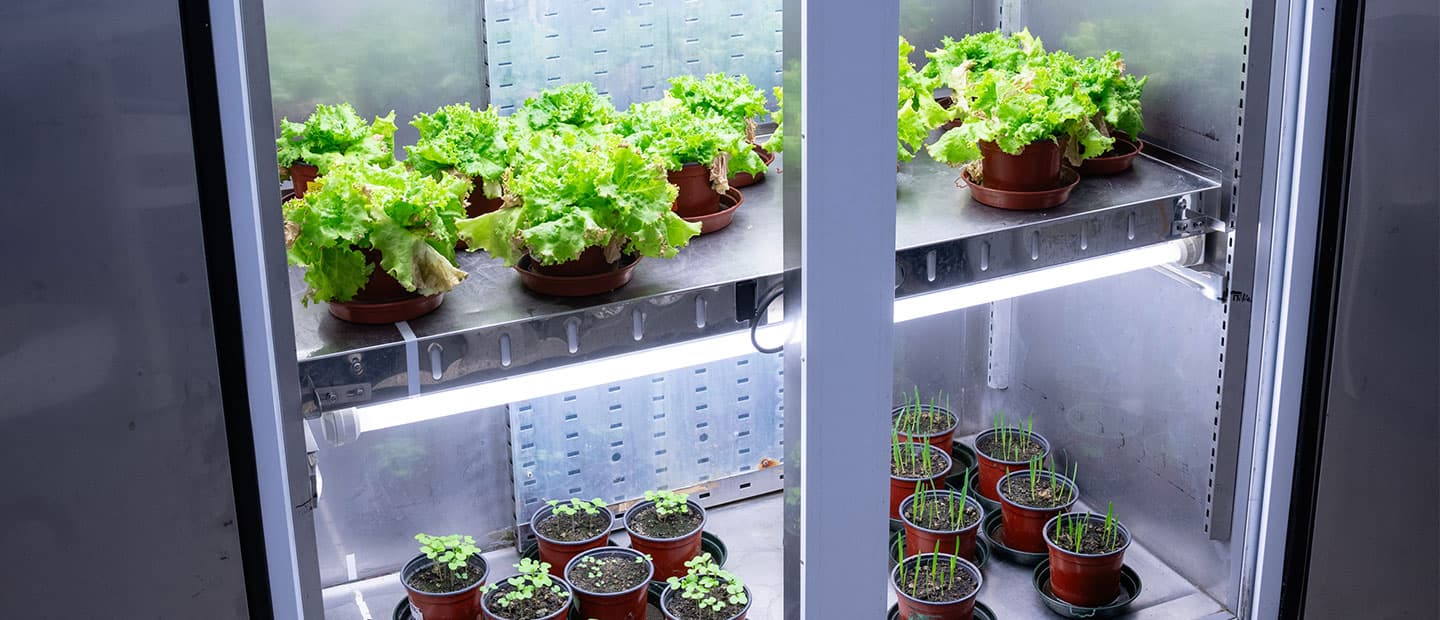
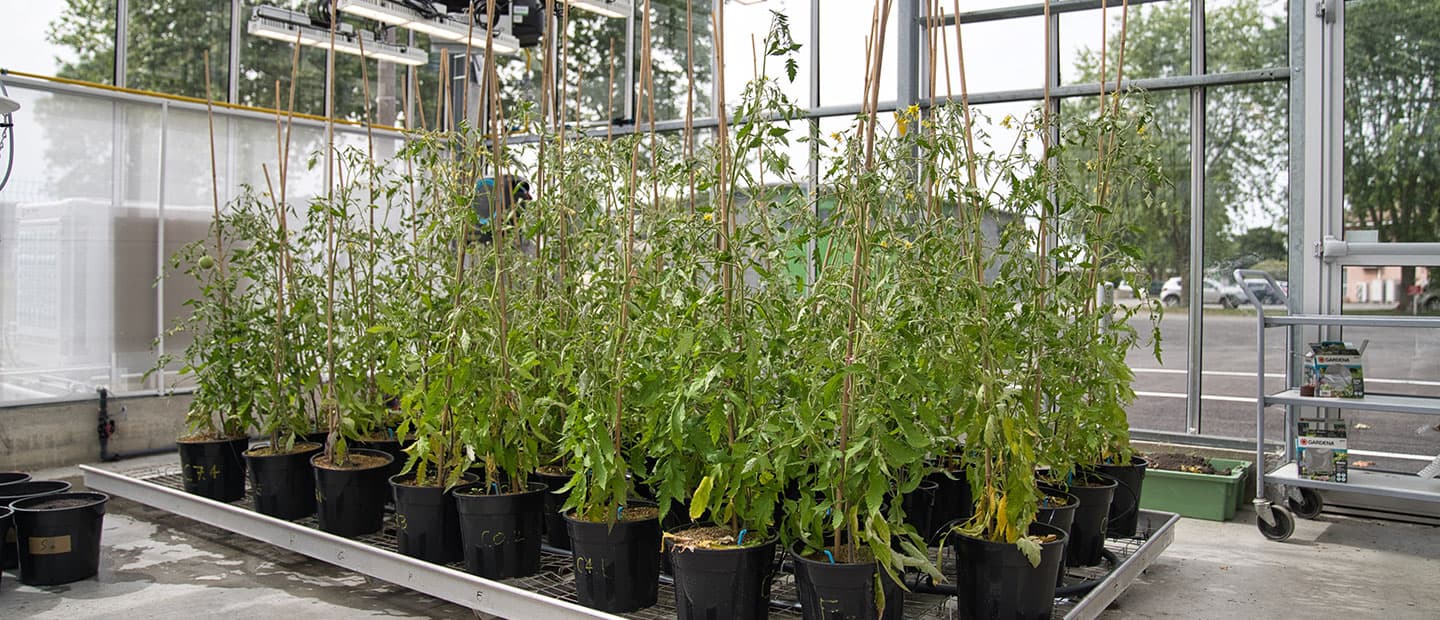
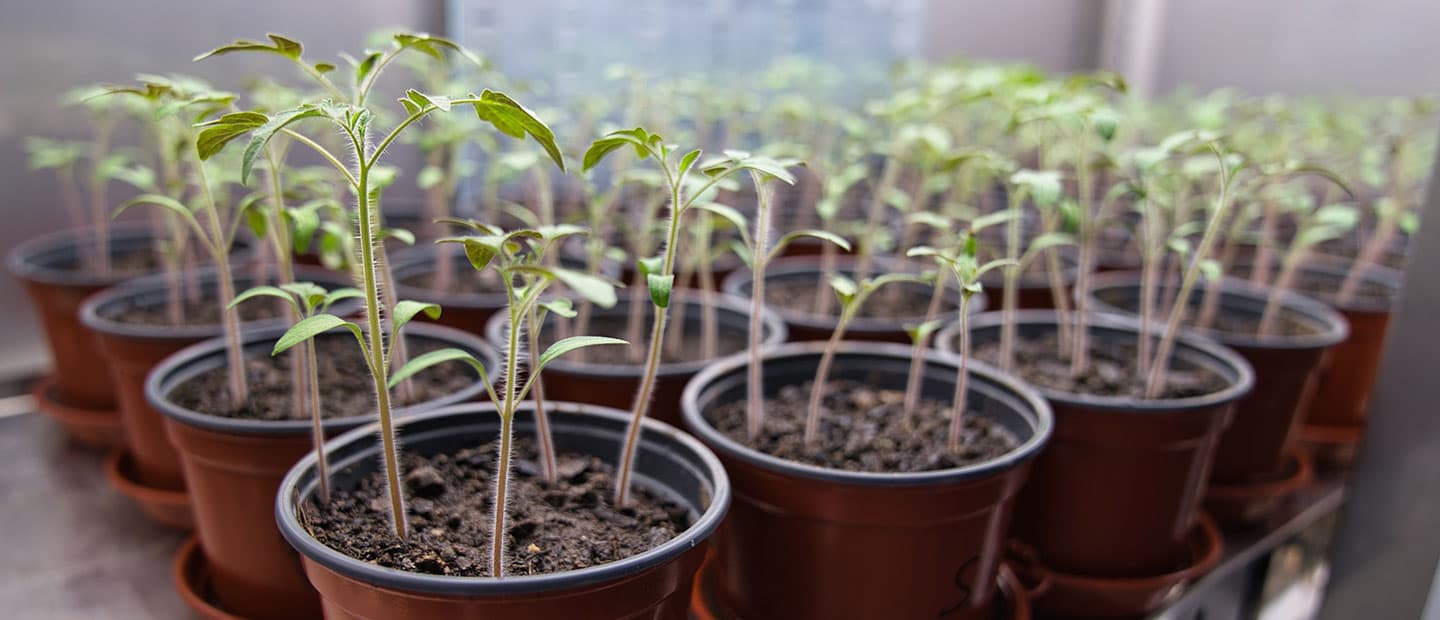
- Ecotoxicity study: phytotron growth chamber and experimental greenhouse.
Biodegradability in anaerobic digestion:
- Biodegradation in anaerobic digestion: 200 mesophilic or thermophilic reactors,
- Disintegration in anaerobic digestion: batch reactors and continuous anaerobic digestion pilot units.
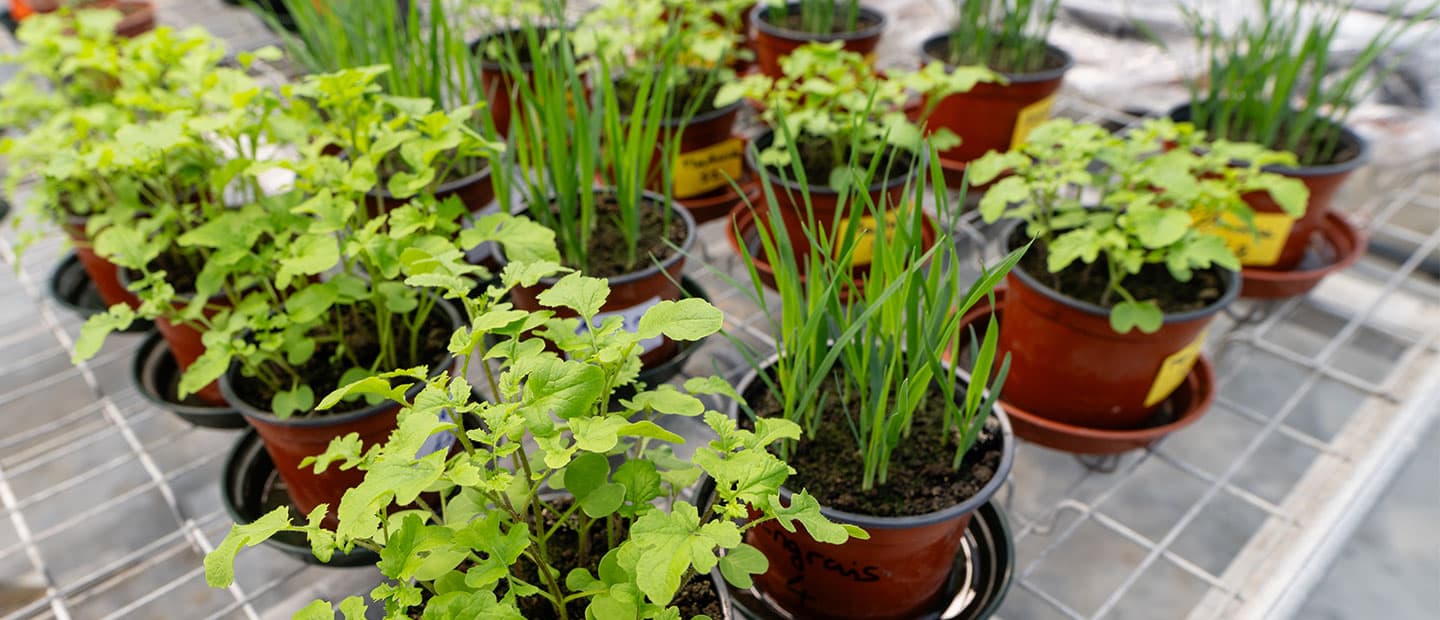
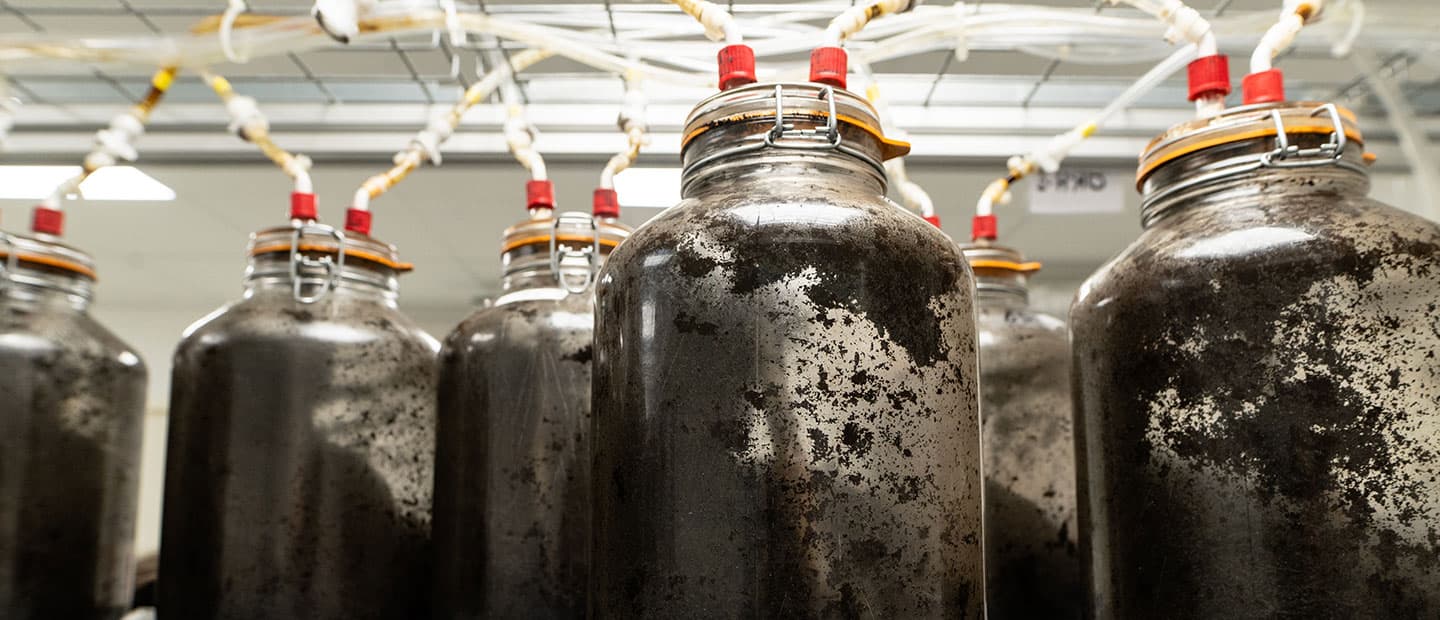
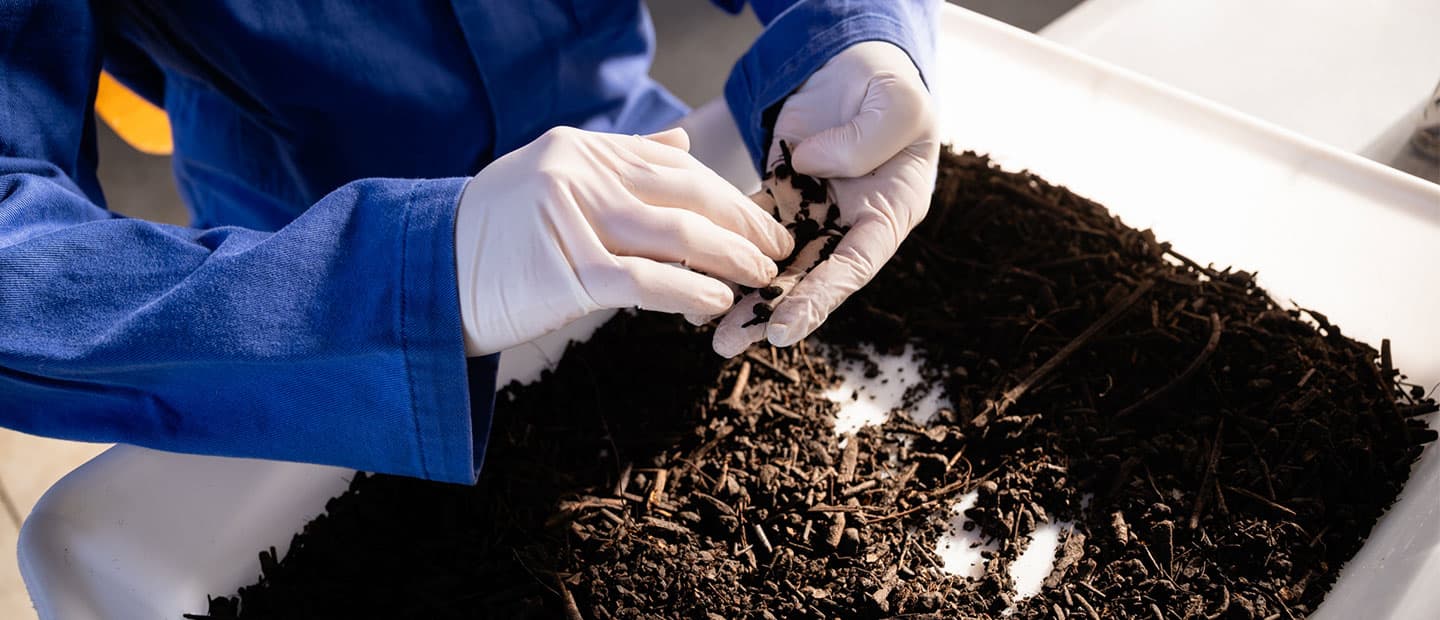
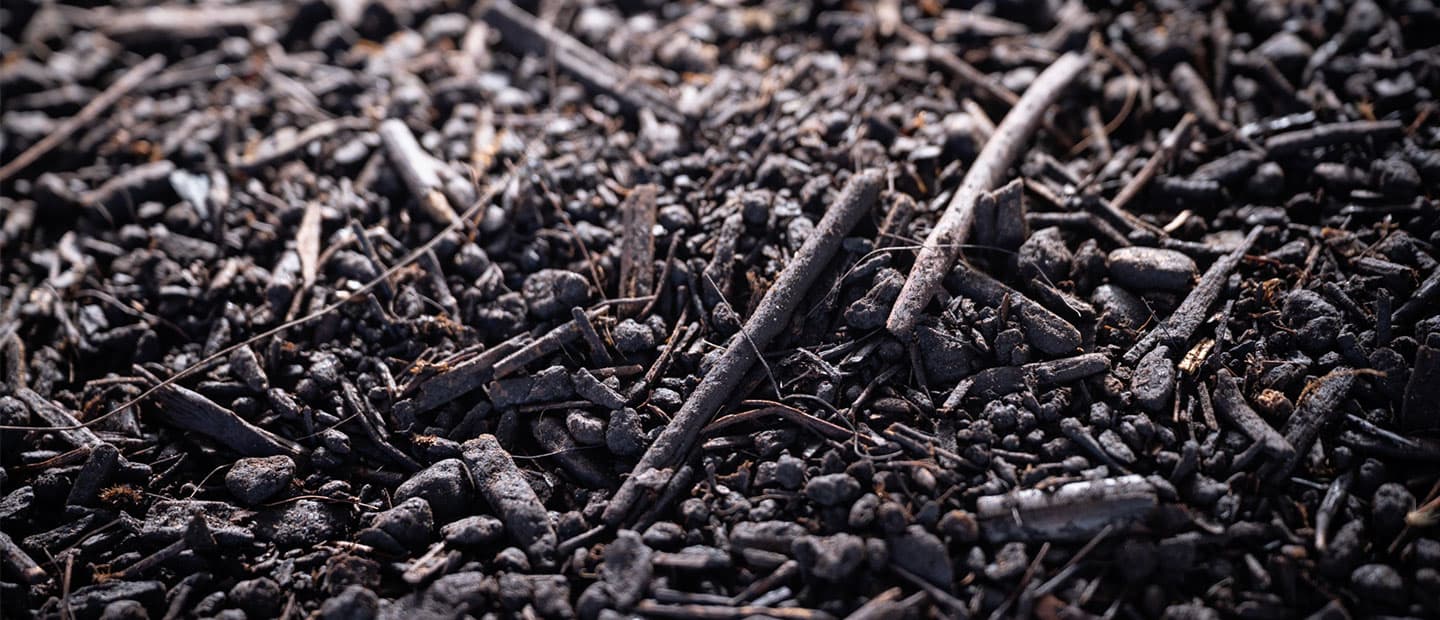
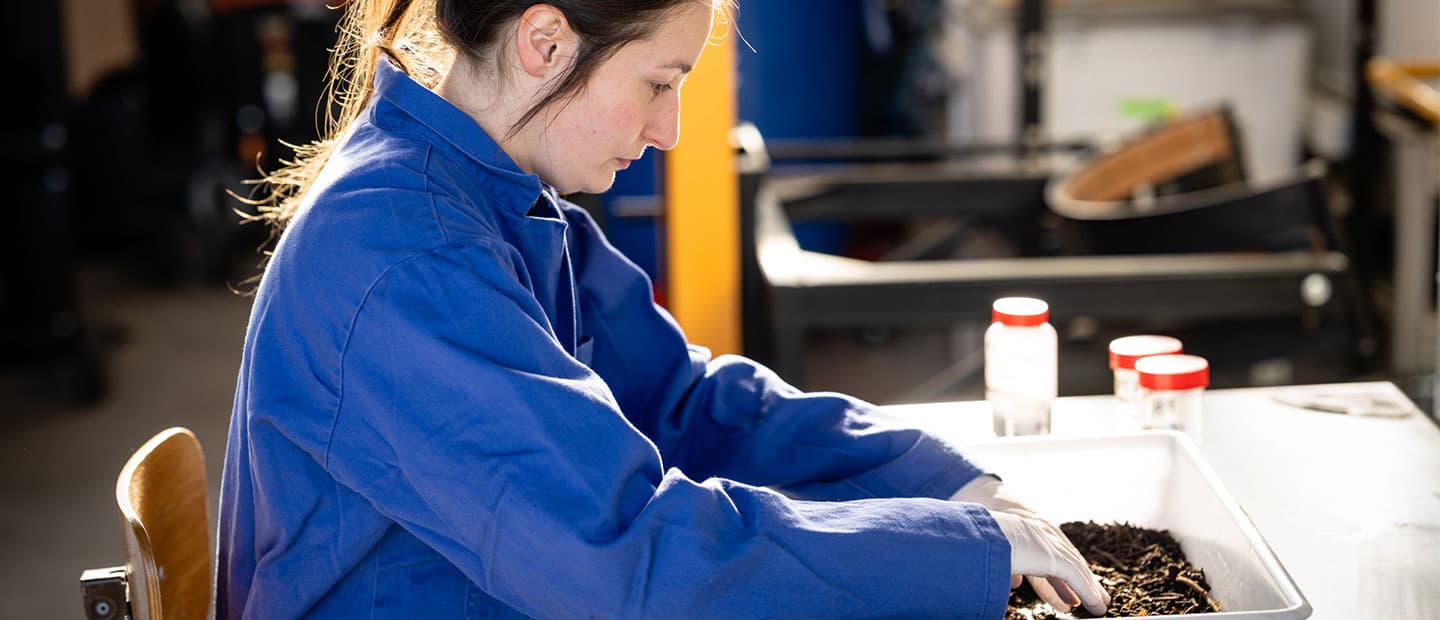
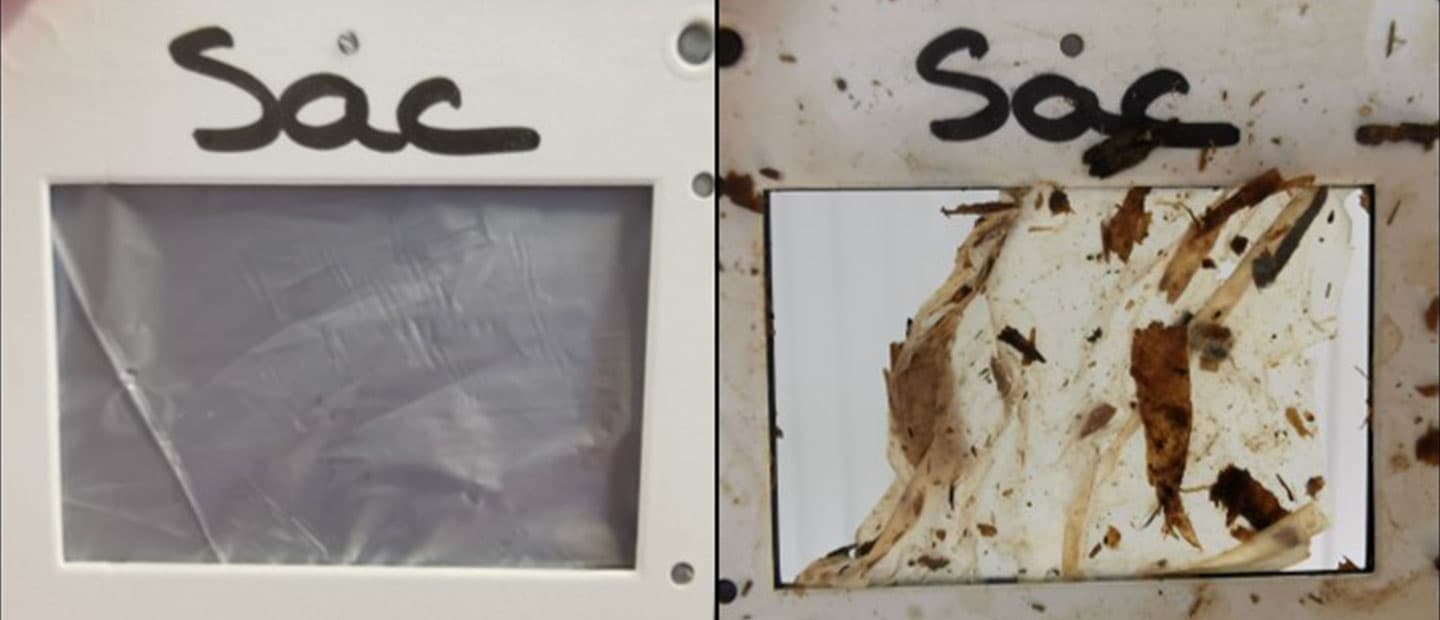
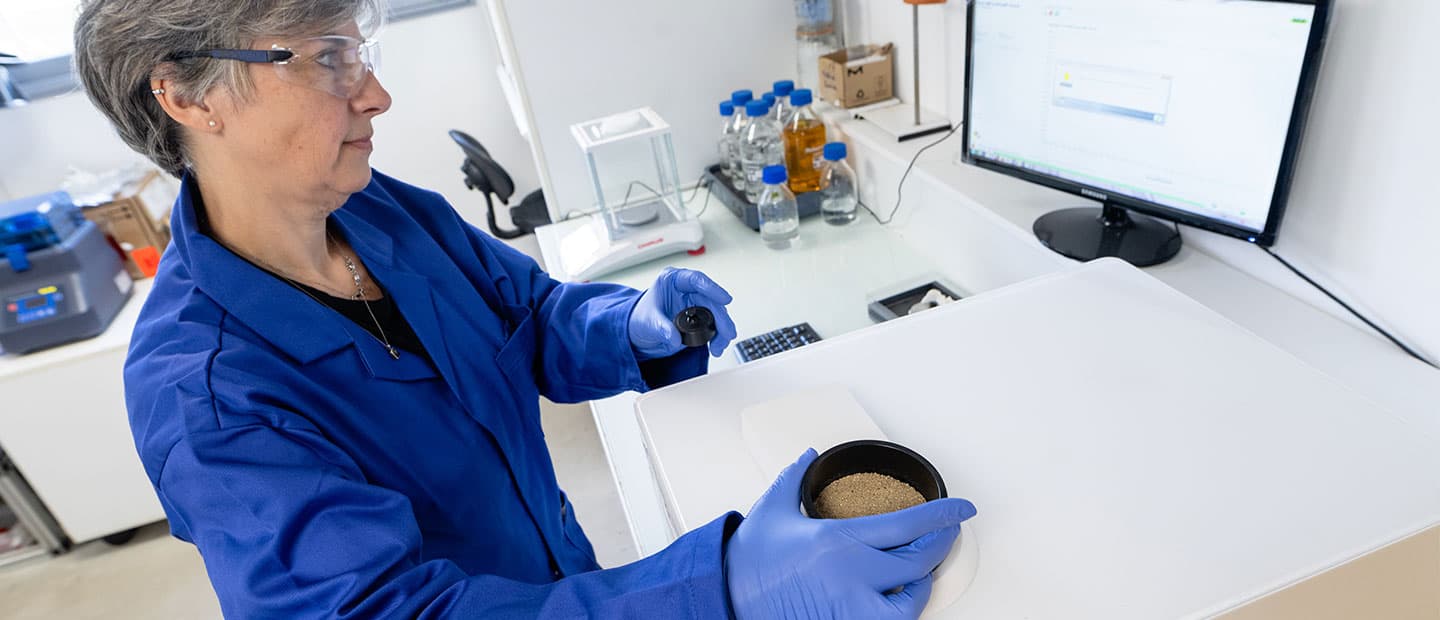
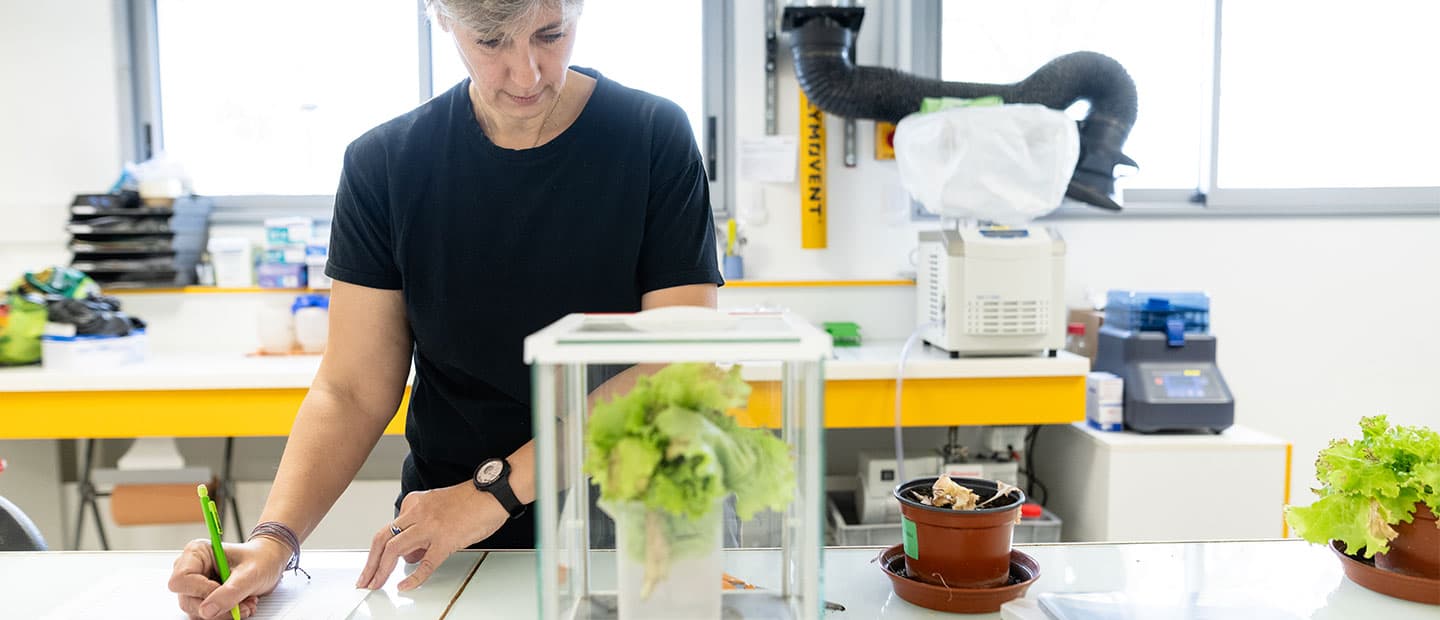
APESA has a laboratory dedicated to the study of land application of organic by-products in order to assess the quality of by-products (compost, digestate, etc.).
We have developed various analyses to study the different ecological compartments of soil:
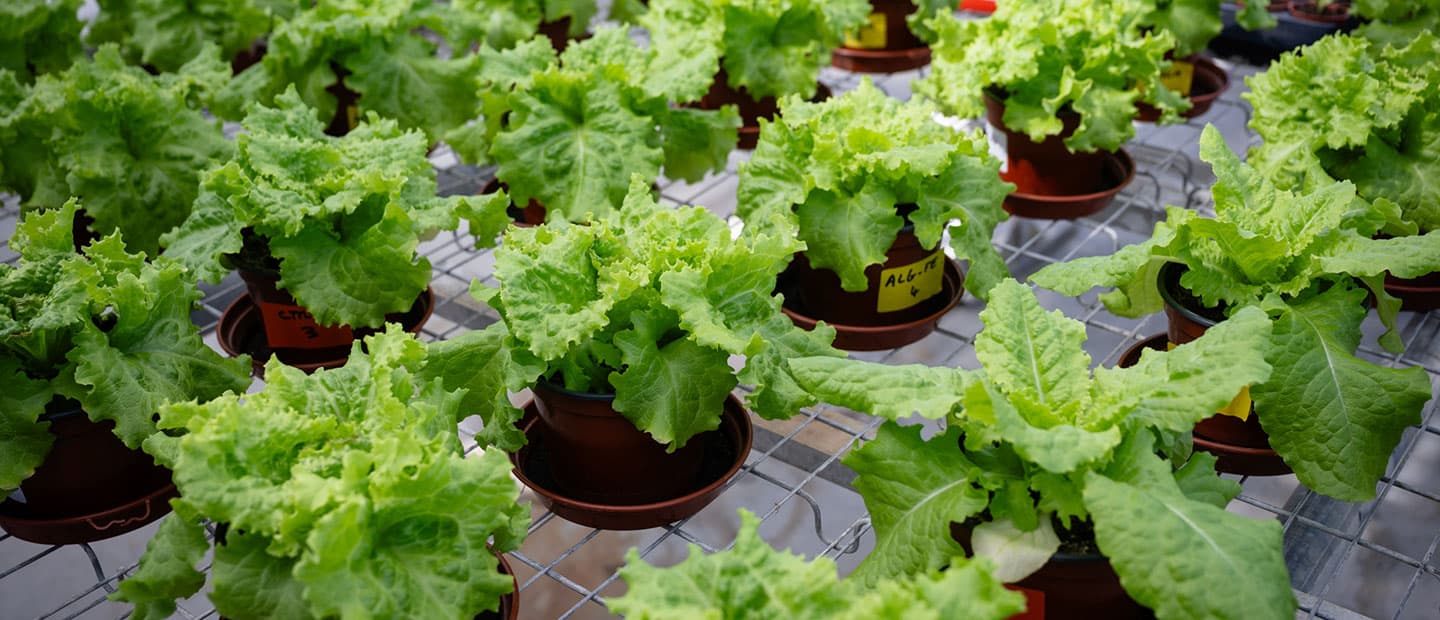
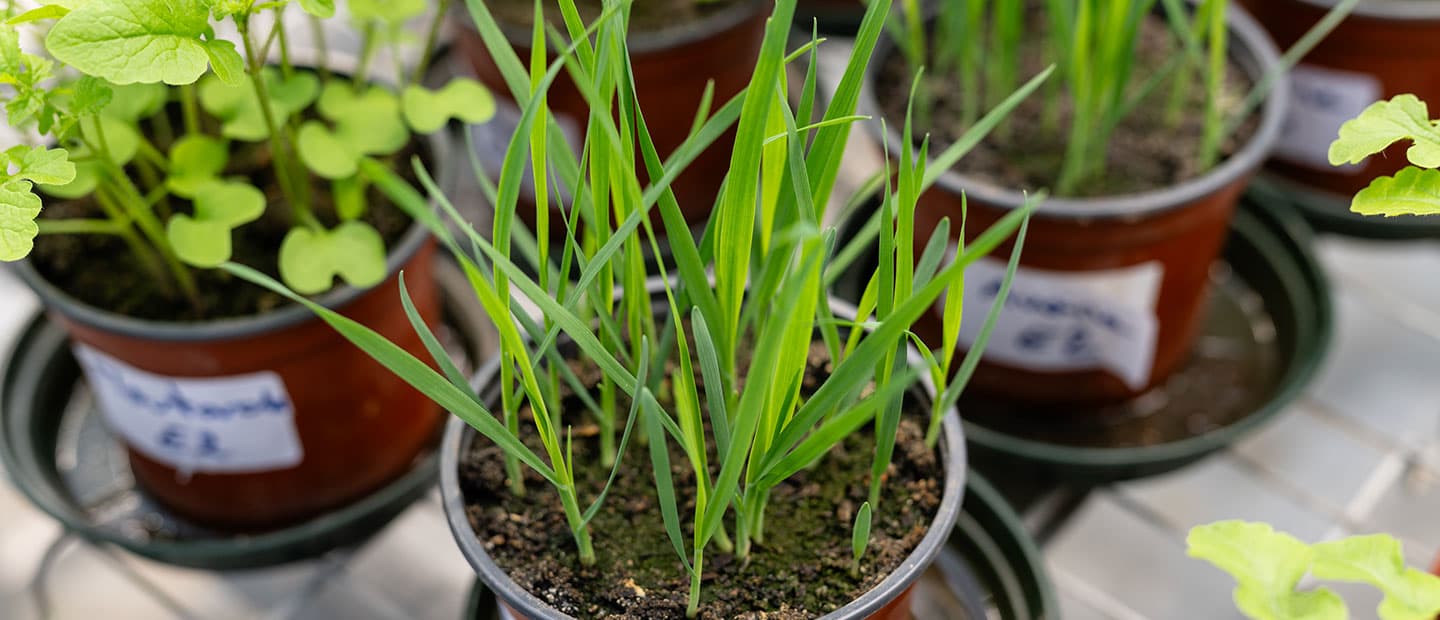
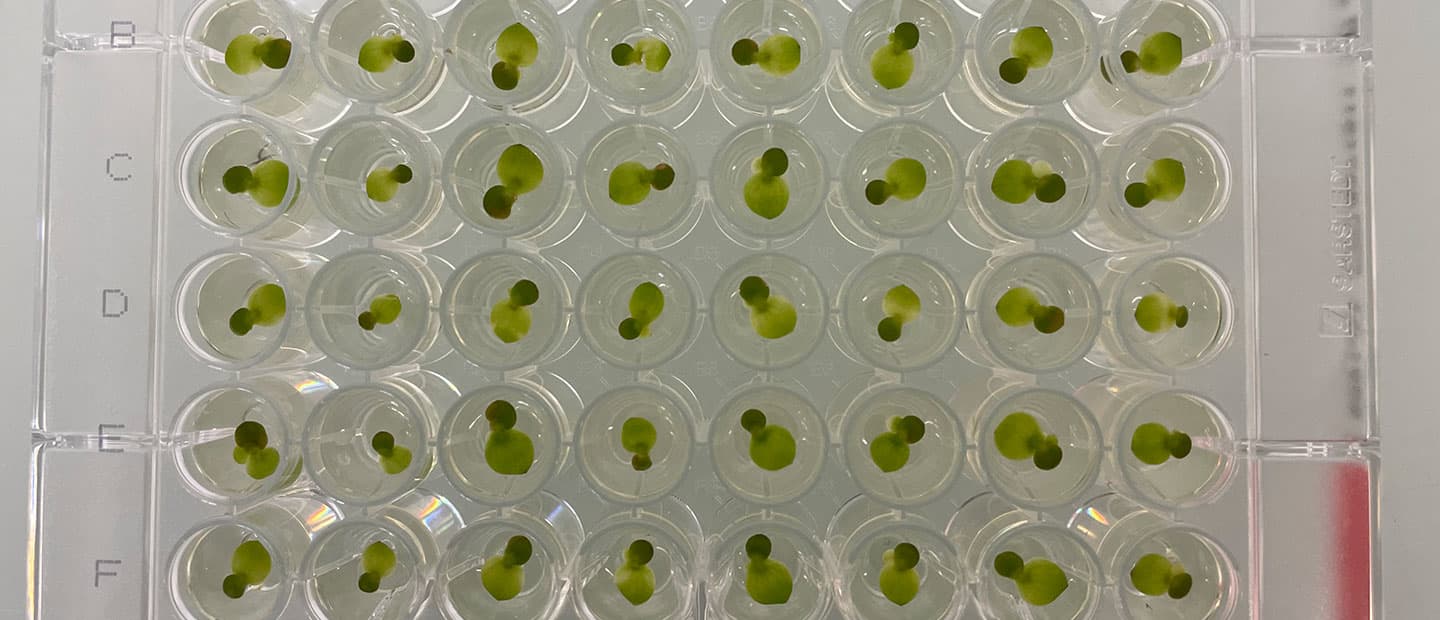
- Study of plant germination and growth: in a growth chamber (phytotron) or in an experimental greenhouse,
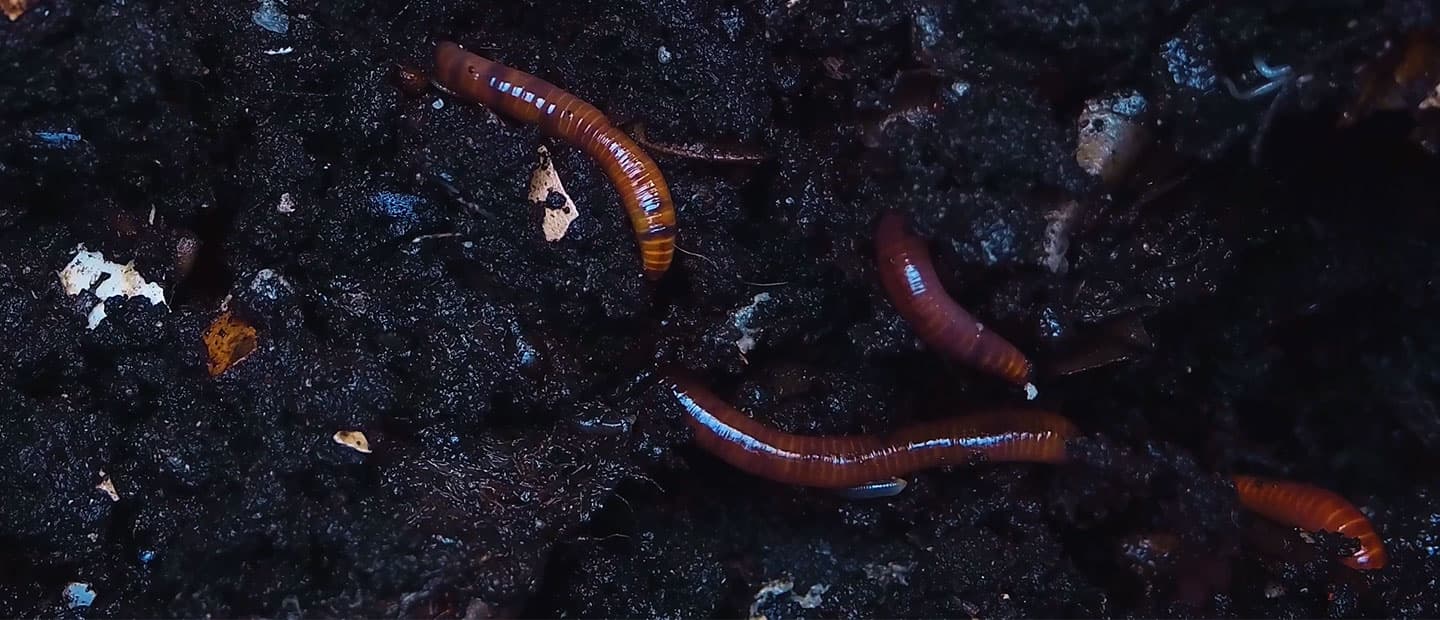
- Study of ecotoxicity to earthworms (chronic, acute, avoidance), daphnia, freshwater algae.
Did you know?
We also have a manufacturing workshop capable of designing and producing custom experimental devices.
Did you know?
Our partnership with Arvalis enables us to pool our tools and expertise in order to offer a unique resource dedicated to the study of anaerobic digestion and agronomy: the MetA Plateforme.
This centre of expertise offers a unique continuum from laboratory scale to pre-industrial scale dedicated to studying the anaerobic digestion value chain: R&D programme, training, dissemination, hosting prototypes in industrial environments, etc.


3 chemin de sers, 64121 Montardon, France
contact@apesa.fr
Follow us →