European research project
FERTILWASTES Project

European research project
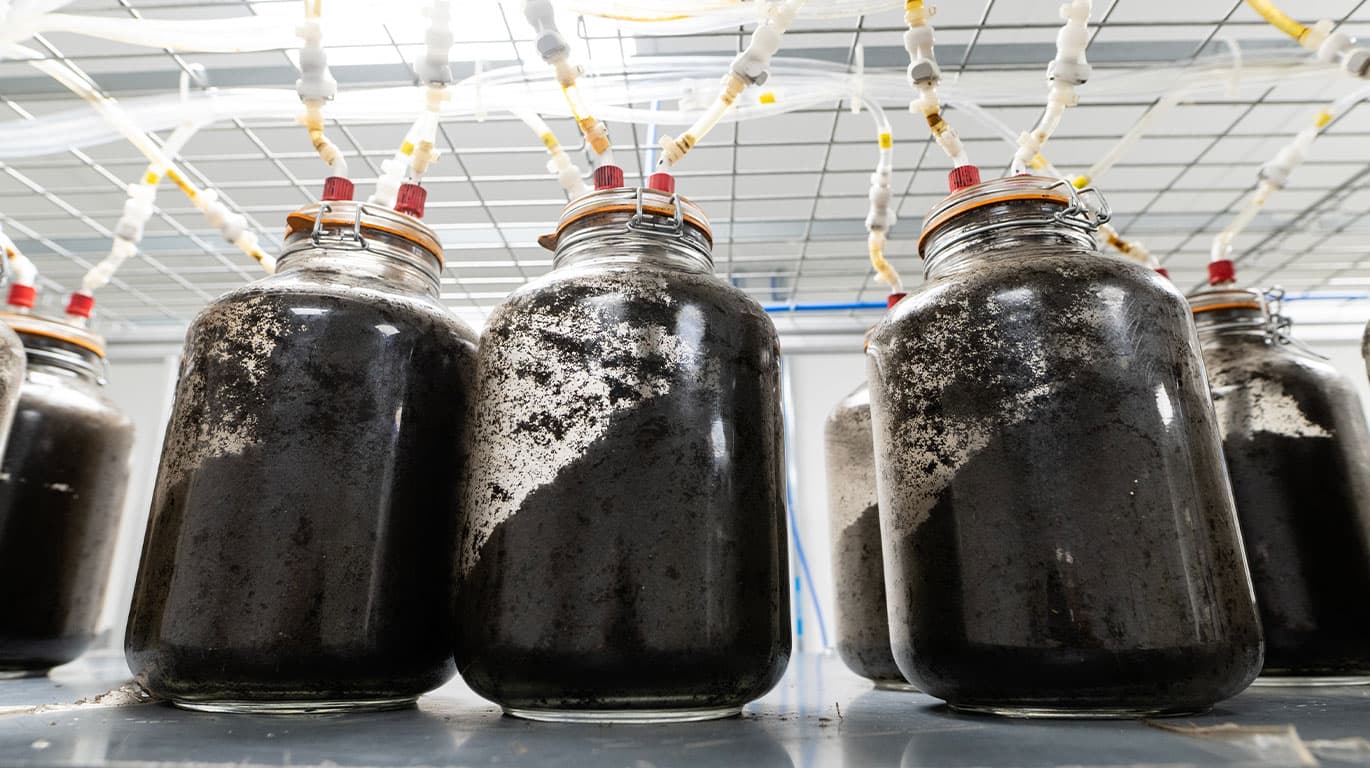
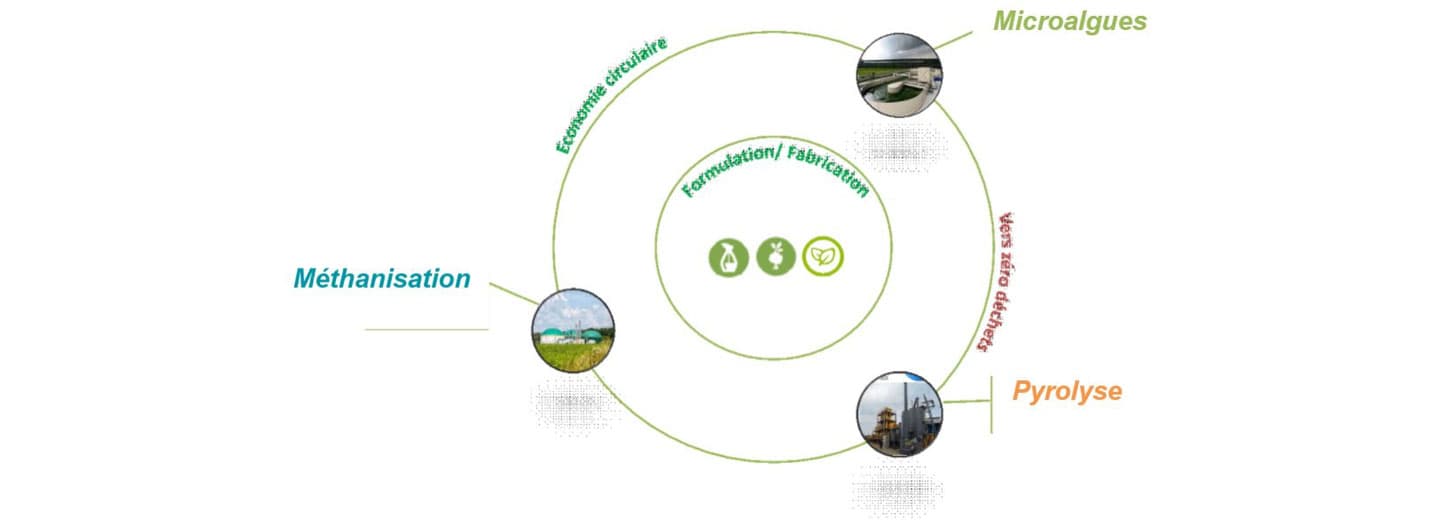
seeks to pave the way for better market acceptance of co-products (digestate, compost, biochar, microalgae) from these sectors by combining them to create new supports for agriculture (biodegradable horticultural pots with or without fertilizing action, biostimulants, slow-release fertilizers) with higher added value.



, co-financed up to 65% by the European Regional Development Fund (ERDF) through the Interreg V-A Spain-France-Andorra Programme (POCTEFA 2014-2020).
The FERTILWASTES project is co-financed up to 65% by the European Regional Development Fund (ERDF) within the framework of the Interreg V-A Spain-France-Andorra Programme (POCTEFA 2014-2020).
The objective of POCTEFA is to strengthen the economic and social integration of the Spain-France-Andorra border area. Its support focuses on the development of cross-border economic, social, and environmental activities through joint strategies that promote the sustainable development of the territory.
• Facilitation of eco-innovation workshops
• Characterization of the agronomic properties of innovative products
• Environmental, social, and economic study


3 chemin de sers, 64121 Montardon, France
contact@apesa.fr
Follow us →